Tariff moves put Bangladesh’s exports to the US at serious risk.

- Update Time : 07:02:37 am, Wednesday, 17 September 2025
- / 380 Time View
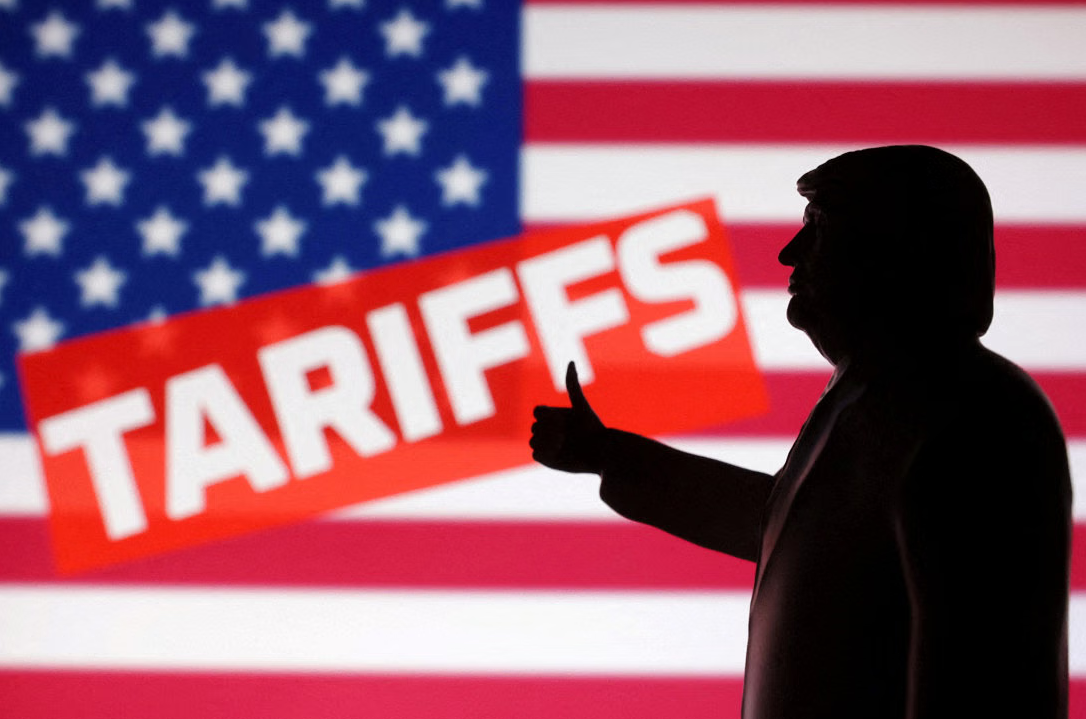

Bangladesh’s shipments to the United States may shrink by as much as 14 percent — around $1.25 billion — within the next year, following the recent introduction of a 20 percent retaliatory tariff. The estimate comes from a new study conducted by the Research and Policy Integration for Development (RAPID).
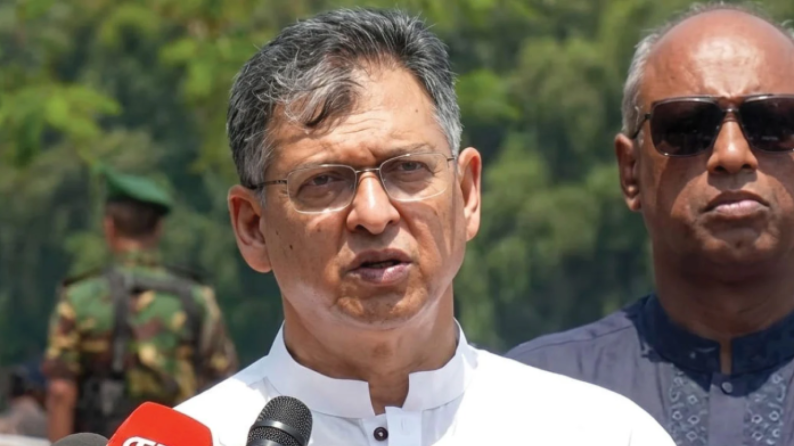
According to RAPID Chairman Mohammad Abdur Razzaque, apparel exports alone could see losses of nearly $1.08 billion. He shared the findings during a workshop in Dhaka, organized to brief journalists on the possible consequences of reciprocal US tariffs and Bangladesh’s upcoming graduation from least-developed-country (LDC) status.
Razzaque noted that while Bangladesh’s projected losses are significant, they may still be smaller compared to several competing nations. He explained that overall US imports of apparel could decline by about $10 billion, which will make growth in exports extremely difficult in a contracting market.
Although Bangladesh currently faces relatively lower tariffs than rivals such as India or China, Razzaque cautioned that this advantage may not ensure an increase in exports. “Bangladesh might capture more market share in the US apparel segment, but this will not necessarily lead to higher earnings, since the overall market size is shrinking,” he said.
Exports from other Asian countries are also expected to be hit by the new tariff policy. RAPID’s study suggested potential declines of 58 percent for China, 48 percent for India, 28 percent for Vietnam, and 27 percent for Indonesia. If India secures a trade agreement to cut its reciprocal tariff by 20 percent, the scenario could worsen for Bangladesh — its export drop might deepen to 17.5 percent, while India’s decline would ease slightly to about 18.3 percent.
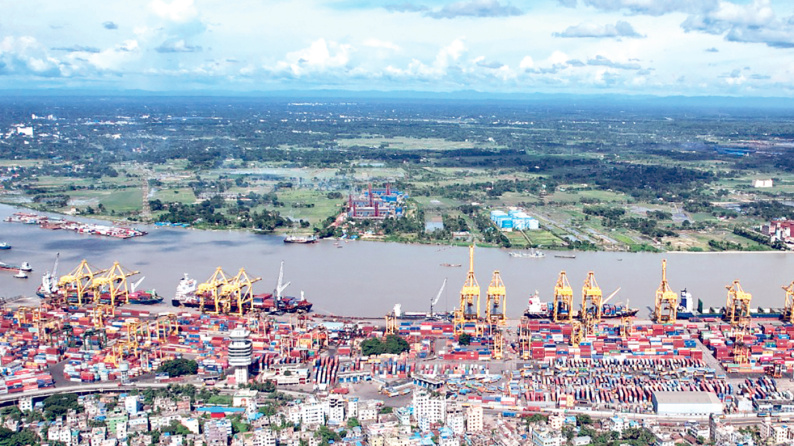
The United States is Bangladesh’s largest single export market, with garments making up over 90 percent of sales. Each year, Bangladesh exports more than $8 billion worth of goods to the US while importing around $2 billion, resulting in a $6 billion trade surplus. Globally, Bangladesh is the third-biggest garment supplier to the US, after China and Vietnam, and holds a 9.3 percent share of the American apparel import market, valued at $81 billion.
Looking ahead, Razzaque warned that Bangladesh will likely face stiffer competition in other regions as well, including the European Union, where oversupply pressures could drive prices down. He stressed that the long-term outcome will depend on factors such as US inflation, possible changes in trade policy, shifting sourcing strategies, and Bangladesh’s ability to adapt.
“Even though the current tariff arrangement could have been harsher, there is no room for complacency,” Razzaque said, urging the government and industry to focus on strategic policies, efficiency improvements, and diversifying export markets.
Meanwhile, a visiting US trade delegation called on Bangladesh’s government to speed up labour law reforms and address the trade imbalance as a way to reduce retaliatory tariffs. The delegation, led by Brendan Lynch, Assistant US Trade Representative for South and Central Asia, met with leaders of the Bangladesh Garment Manufacturers and Exporters Association (BGMEA) at the US ambassador’s residence in Dhaka.
BGMEA leaders requested that the US consider deeper tariff reductions to maintain the flow of Bangladeshi garments into its market, which is Bangladesh’s single largest source of private-sector employment.
Also speaking at the workshop were Doulot Akter Mala, President of the Economic Reporters Forum, and Mohammed Abu Eusuf, Executive Director of RAPID.