Battery-powered rickshaws dominate Dhaka’s streets

- Update Time : 04:49:20 am, Sunday, 5 October 2025
- / 662 Time View

Electric Rickshaws Take Over Dhaka: Experts Urge Urgent Regulation
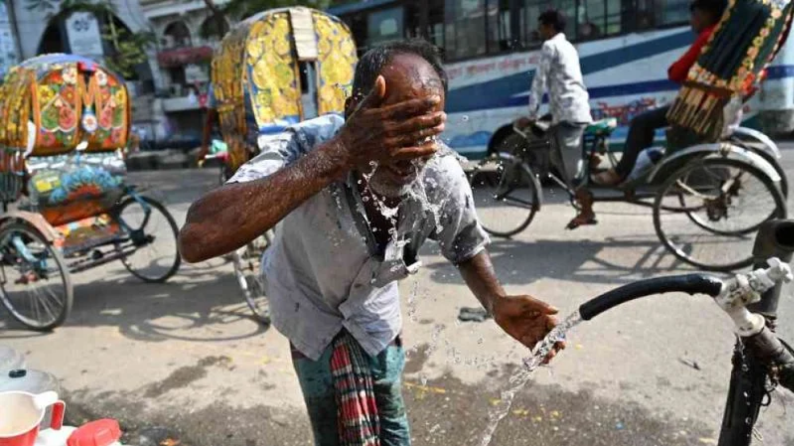
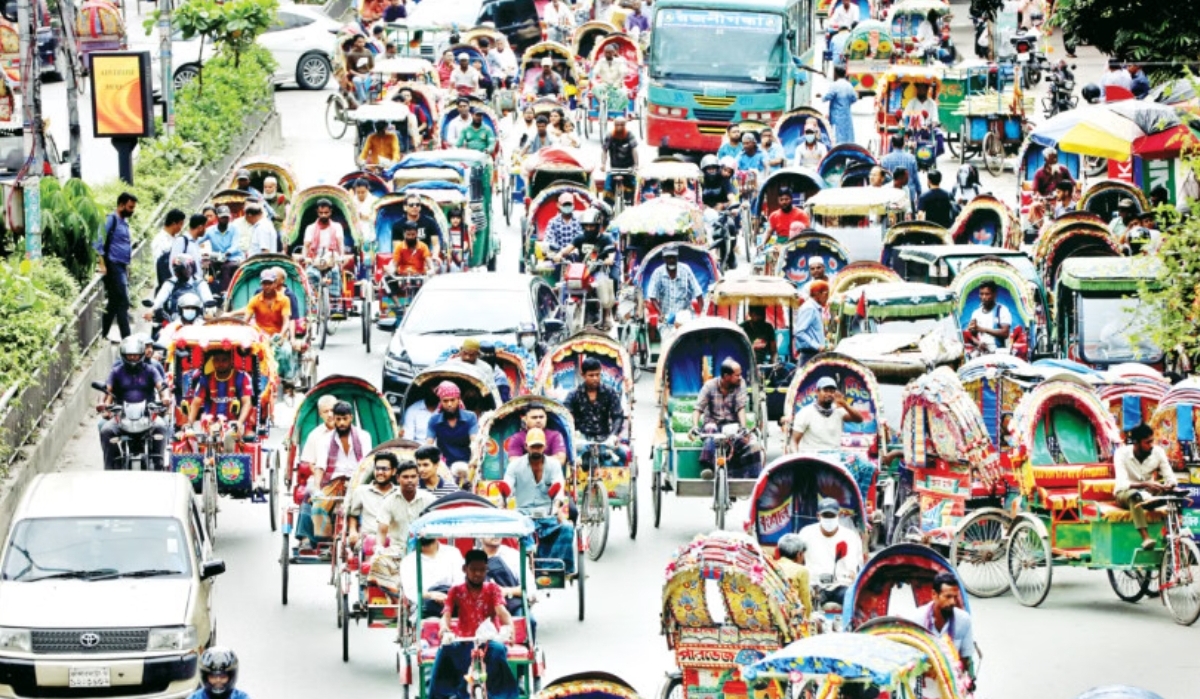
Dhaka’s streets and alleys have been flooded with battery-powered rickshaws, which have spread rapidly since August last year amid weak monitoring and an absence of clear rules.
Urban experts warn that while these vehicles offer cheap, fast rides and livelihoods for thousands from low-income families, they could soon paralyze the capital’s traffic system unless strict regulations are introduced immediately.
Most of these rickshaws are assembled informally, often fitted with unreliable brakes and able to reach unsafe speeds. Traffic officers report that many drivers ignore signals and weave recklessly through intersections, worsening gridlock across the city.
Although there is no official count, leaders of rickshaw associations estimate that nearly half a million battery-run rickshaws now operate under 50 police stations in Dhaka—already outnumbering traditional pedal rickshaws. Many of the drivers lack formal training, contributing to frequent minor and fatal accidents.
According to data from Bangladesh Jatri Kalyan Samity, around 15% of 315 reported accidents in Dhaka during the last Eid season involved these vehicles.
Residents have shared harrowing experiences. “I once fell from a speeding e-rickshaw and hurt myself,” said Shahida Quader from Khilgaon. “They’re everywhere now—it feels unsafe just to walk.”
A car driver from Mirpur, Md Kamal, added, “It’s hard to keep a steady speed. These rickshaws dart through traffic with no regard for others.”
Kazi Md Shifun Newaz of BUET’s Accident Research Institute said many e-rickshaws reach speeds up to 30 km/h—far too high for Dhaka’s narrow lanes. He urged the government to impose a design speed limit of 20 km/h and shut down unauthorized charging points to bring numbers under control.
“Without proper licensing and speed limits, chaos will only increase,” he said, noting that cities like Chattogram have already curbed such vehicles through strict enforcement.
—
A Lifeline for the Poor
For many, however, these e-rickshaws represent survival.
Take Asif Mia, 26, who switched from security work to driving one after last year’s political shift. “I now earn Tk 1,000–1,200 a day,” he said. “It’s less tiring and pays much better than my old job.”
In several areas—including Pallabi, Shewrapara, Bhasantek, Agargaon, Mohammadpur, Gulshan, Banani, and Badda—hundreds of unregistered rickshaws of varying sizes operate daily. Some are converted from pedal versions, making them even more unstable.
Shop owner Abdul Kader from Bhasantek said many people from rural areas have migrated to Dhaka to drive these vehicles. “Anyone can buy or rent one and start working the same day,” he added.
Abdul Jalil, president of a local auto-rickshaw drivers’ group, said their number doubled within 10 months—from 3,000 to 8,000 in the Gulshan-Banani-Badda zone alone. “Without monitoring, they’ll keep increasing,” he warned.
—
Government Response
The government has drafted a new policy—the Electric Three-Wheeler Management Guidelines 2025—to regulate such vehicles nationwide. The draft classifies all slow-moving, battery-powered three-wheelers as electric vehicles, barring them from highways and introducing registration, licences, and fitness requirements.
Mahbuba Ireen, joint secretary at the Local Government Division, confirmed that the draft has been sent to the law ministry for approval. “Once cleared, it will be officially gazetted,” she said.
Dhaka Metropolitan Police’s traffic division said the policy will also require driver training, enforce fines for violations, and prioritise a “driver-ownership” model to discourage large-scale commercial operation.
Meanwhile, the government is piloting a new BUET-designed rickshaw model in selected Dhaka areas such as Gulshan, Nikunja, Baridhara, Uttara, and parts of Dhanmondi.
DNCC Administrator Mohammad Azaz said over 20,000 drivers have already received training, and the new rickshaws will be introduced gradually, replacing older unregistered ones zone by zone.
“Once implemented, we’ll be able to track every licensed rickshaw and shut down illegal ones effectively,” he added.
A national committee, including BUET engineers and BRTA officials, will supervise the certification and man
ufacturing process for approved electric rickshaws.