Dhaka 4:32 pm, Thursday, 23 April 2026

Why has load shedding increased so much, and why is it more severe in rural areas?

Staff Correspondent:
  • Update Time : 06:34:30 am, Thursday, 23 April 2026
  • / 22 Time View

Why has load shedding increased so much, and why is it worse in rural areas?


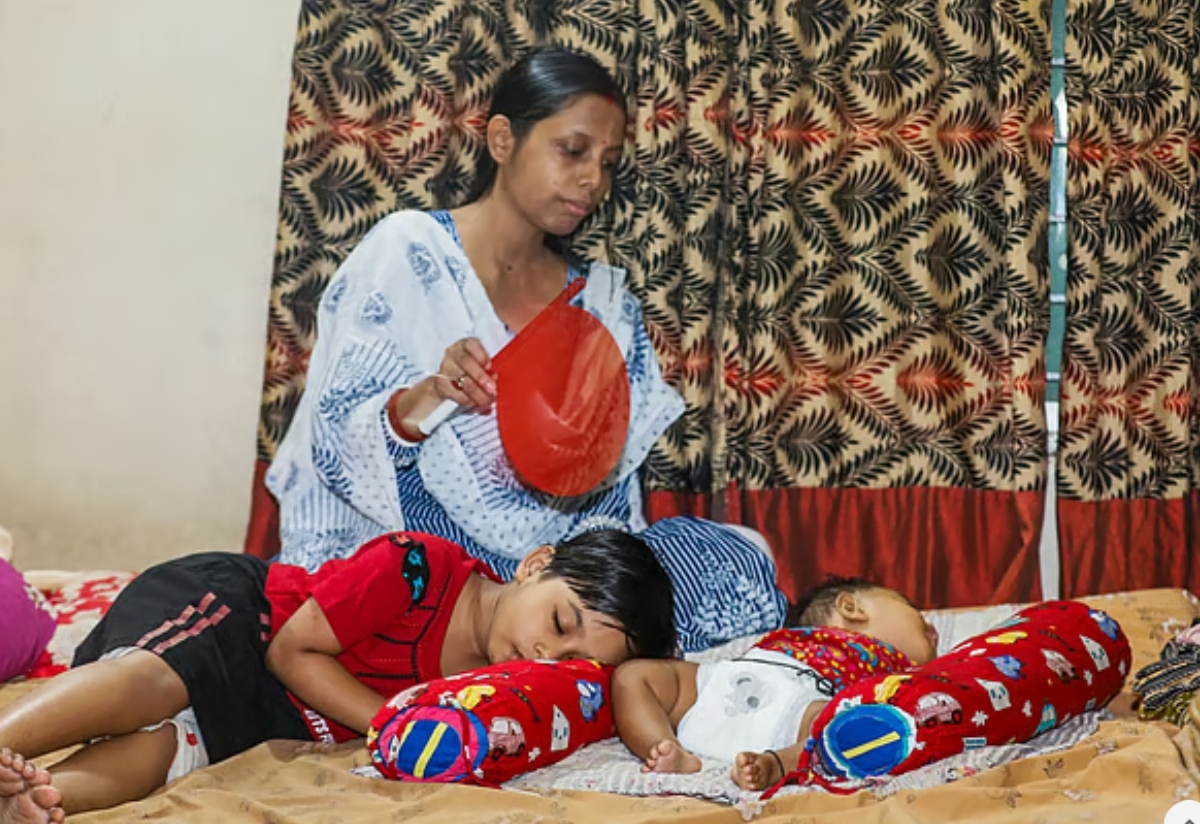
As the heat intensifies, power outages are becoming more frequent. With electricity unavailable, daily household tasks are disrupted—many mothers are seen fanning their children manually to provide some relief.

A heatwave is currently sweeping across 24 districts, including Dhaka. Over the past few days, rising temperatures have pushed up electricity demand significantly. However, due to fuel shortages, power generation has not been able to keep up, leading to a growing gap between supply and demand—and more load shedding.

According to officials from the Bangladesh Power Development Board (BPDB) and Power Grid Company Bangladesh (PGCB), the highest load shedding recorded recently reached over 2,100 megawatts at night, while daytime shortages exceeded 2,000 megawatts. The following day, daytime shortages rose further to nearly 2,500 megawatts and may increase even more at night.

There are discrepancies between data from transmission and distribution agencies. The Rural Electrification Board (REB), which serves most rural areas, reported load shedding of over 3,300 megawatts at midday—higher than PGCB’s figures for the same time.

Meteorological officials say temperatures may rise further. Recently, Rajshahi recorded the highest temperature of the year at 40°C, while Dhaka and several other districts saw temperatures between 36°C and 37°C.

Key reasons behind the power crisis

Experts point to multiple factors behind the current situation:

Fuel shortages: Due to unpaid dues and financial constraints, sufficient fuel—especially oil—cannot be imported, limiting power plant operations.

Underutilized power plants: Many oil-based plants are not running at full capacity.

Technical issues: One unit of the Adani power plant has gone offline due to technical faults.

Coal shortages: A major coal-fired plant in Patuakhali (1,320 MW) remains shut, while the Banshkhali plant is operating at reduced capacity.

Although Bangladesh has an installed generation capacity of about 29,000 megawatts, much of it cannot be used effectively due to fuel constraints. At the same time, the government continues to pay capacity charges for idle plants, increasing financial pressure.

Officials say alternative measures are being considered, including increasing output from furnace oil plants and possibly running diesel-based plants.

Why rural areas face more load shedding

Industry experts say that during power shortages, rural areas are often the first to experience supply cuts. This has been a consistent pattern over the years.

Currently, national electricity demand is estimated at around 18,500 megawatts, while supply falls short by 2,500–3,000 megawatts. As temperatures rise further, meeting demand will become even more difficult.

Urban areas like Dhaka—served by DESCO and DPDC—have so far avoided major shortages, though occasional disruptions occur due to technical faults in distribution lines.

In contrast, rural regions under REB are facing severe shortages. On average, they received about 35% less electricity than required. In some regions:

Mymensingh saw supply drop by 48%

Rangpur by 40%

Khulna by 39%

As a result, many rural areas are experiencing power cuts lasting 8 to 10 hours a day.

Tag :

Please Share This Post in Your Social Media

Why has load shedding increased so much, and why is it more severe in rural areas?

Update Time : 06:34:30 am, Thursday, 23 April 2026

Why has load shedding increased so much, and why is it worse in rural areas?


As the heat intensifies, power outages are becoming more frequent. With electricity unavailable, daily household tasks are disrupted—many mothers are seen fanning their children manually to provide some relief.

A heatwave is currently sweeping across 24 districts, including Dhaka. Over the past few days, rising temperatures have pushed up electricity demand significantly. However, due to fuel shortages, power generation has not been able to keep up, leading to a growing gap between supply and demand—and more load shedding.

According to officials from the Bangladesh Power Development Board (BPDB) and Power Grid Company Bangladesh (PGCB), the highest load shedding recorded recently reached over 2,100 megawatts at night, while daytime shortages exceeded 2,000 megawatts. The following day, daytime shortages rose further to nearly 2,500 megawatts and may increase even more at night.

There are discrepancies between data from transmission and distribution agencies. The Rural Electrification Board (REB), which serves most rural areas, reported load shedding of over 3,300 megawatts at midday—higher than PGCB’s figures for the same time.

Meteorological officials say temperatures may rise further. Recently, Rajshahi recorded the highest temperature of the year at 40°C, while Dhaka and several other districts saw temperatures between 36°C and 37°C.

Key reasons behind the power crisis

Experts point to multiple factors behind the current situation:

Fuel shortages: Due to unpaid dues and financial constraints, sufficient fuel—especially oil—cannot be imported, limiting power plant operations.

Underutilized power plants: Many oil-based plants are not running at full capacity.

Technical issues: One unit of the Adani power plant has gone offline due to technical faults.

Coal shortages: A major coal-fired plant in Patuakhali (1,320 MW) remains shut, while the Banshkhali plant is operating at reduced capacity.

Although Bangladesh has an installed generation capacity of about 29,000 megawatts, much of it cannot be used effectively due to fuel constraints. At the same time, the government continues to pay capacity charges for idle plants, increasing financial pressure.

Officials say alternative measures are being considered, including increasing output from furnace oil plants and possibly running diesel-based plants.

Why rural areas face more load shedding

Industry experts say that during power shortages, rural areas are often the first to experience supply cuts. This has been a consistent pattern over the years.

Currently, national electricity demand is estimated at around 18,500 megawatts, while supply falls short by 2,500–3,000 megawatts. As temperatures rise further, meeting demand will become even more difficult.

Urban areas like Dhaka—served by DESCO and DPDC—have so far avoided major shortages, though occasional disruptions occur due to technical faults in distribution lines.

In contrast, rural regions under REB are facing severe shortages. On average, they received about 35% less electricity than required. In some regions:

Mymensingh saw supply drop by 48%

Rangpur by 40%

Khulna by 39%

As a result, many rural areas are experiencing power cuts lasting 8 to 10 hours a day.