Dhaka 2:32 pm, Monday, 10 August 2026

Bangladesh Manufacturers Seek Government Relief After Gas Crisis Disrupts Production

Reporter Name
  • Update Time : 06:47:07 am, Monday, 10 August 2026
  • / 17 Time View

Bangladeshi manufacturers are calling for government support after a prolonged gas shortage disrupted industrial operations for more than two weeks, causing significant production losses and export delays across key sectors.

The supply disruption was triggered by a technical fault at a floating liquefied natural gas (LNG) terminal near Maheshkhali in the Bay of Bengal. The shortage initially affected factories in and around Dhaka before spreading to the country’s main industrial hub of Chattogram, forcing many businesses to scale back or suspend production.

Although gas supplies have improved in recent days and operations are gradually returning to normal, industry groups say the financial impact remains severe.

The Chattogram Chamber of Commerce and Industry has written to the finance minister seeking relief measures, including waivers on bank loan interest payments. The business body has also urged the energy ministry to prevent the disconnection of gas and electricity services for companies struggling to clear outstanding bills following the disruption.

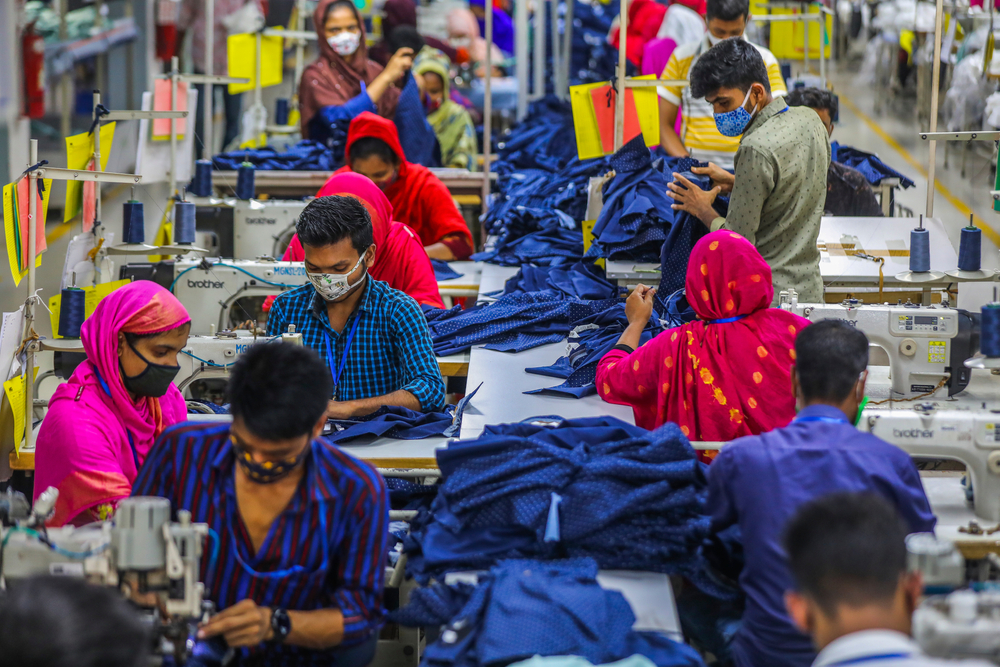
Industry representatives said garment manufacturers were among the hardest hit, with pressing and finishing operations in many factories halted for days. As a result, some exporters reportedly missed shipment deadlines and were forced to rely on more expensive air freight services to fulfill overseas orders.

Business leaders noted that the effects extended beyond the garment sector, impacting steel producers and other industries heavily dependent on natural gas.

The Bangladesh Garment Manufacturers and Exporters Association (BGMEA) said the ready-made garment sector suffered the most during the crisis. According to the organization, monthly garment exports typically generate around $3 billion, but earnings for the current month could fall sharply due to production interruptions.

BGMEA has requested additional time for factories to settle gas bills and has asked utility providers not to disconnect supplies because of payment delays linked to the crisis.

Industry officials estimate that disruptions lasting roughly 15 days could affect garment exports worth nearly $1 billion.

The gas shortage comes at a difficult time for Bangladesh’s export-oriented industries, which were already facing challenges from weak global demand and slower export growth. Business leaders argue that temporary policy support, including relief from penalties on utility bills and loan repayments, would help manufacturers recover and restore normal production levels.

Bangladesh’s major industrial zones, including Dhaka, Gazipur, Savar, Narayanganj and Chattogram, are home to more than 4,000 garment factories as well as thousands of other manufacturing facilities. Together, these industries generate more than $45 billion in annual export earnings, making them a cornerstone of the country’s economy.
Tag :

Please Share This Post in Your Social Media

Bangladesh Manufacturers Seek Government Relief After Gas Crisis Disrupts Production

Update Time : 06:47:07 am, Monday, 10 August 2026

Bangladeshi manufacturers are calling for government support after a prolonged gas shortage disrupted industrial operations for more than two weeks, causing significant production losses and export delays across key sectors.

The supply disruption was triggered by a technical fault at a floating liquefied natural gas (LNG) terminal near Maheshkhali in the Bay of Bengal. The shortage initially affected factories in and around Dhaka before spreading to the country’s main industrial hub of Chattogram, forcing many businesses to scale back or suspend production.

Although gas supplies have improved in recent days and operations are gradually returning to normal, industry groups say the financial impact remains severe.

The Chattogram Chamber of Commerce and Industry has written to the finance minister seeking relief measures, including waivers on bank loan interest payments. The business body has also urged the energy ministry to prevent the disconnection of gas and electricity services for companies struggling to clear outstanding bills following the disruption.

Industry representatives said garment manufacturers were among the hardest hit, with pressing and finishing operations in many factories halted for days. As a result, some exporters reportedly missed shipment deadlines and were forced to rely on more expensive air freight services to fulfill overseas orders.

Business leaders noted that the effects extended beyond the garment sector, impacting steel producers and other industries heavily dependent on natural gas.

The Bangladesh Garment Manufacturers and Exporters Association (BGMEA) said the ready-made garment sector suffered the most during the crisis. According to the organization, monthly garment exports typically generate around $3 billion, but earnings for the current month could fall sharply due to production interruptions.

BGMEA has requested additional time for factories to settle gas bills and has asked utility providers not to disconnect supplies because of payment delays linked to the crisis.

Industry officials estimate that disruptions lasting roughly 15 days could affect garment exports worth nearly $1 billion.

The gas shortage comes at a difficult time for Bangladesh’s export-oriented industries, which were already facing challenges from weak global demand and slower export growth. Business leaders argue that temporary policy support, including relief from penalties on utility bills and loan repayments, would help manufacturers recover and restore normal production levels.

Bangladesh’s major industrial zones, including Dhaka, Gazipur, Savar, Narayanganj and Chattogram, are home to more than 4,000 garment factories as well as thousands of other manufacturing facilities. Together, these industries generate more than $45 billion in annual export earnings, making them a cornerstone of the country’s economy.