Dhaka 9:01 am, Sunday, 30 August 2026

The interim government bears the burden of power sector subsidies!

Reporter Name
  • Update Time : 06:40:10 am, Tuesday, 28 January 2025
  • / 383 Time View

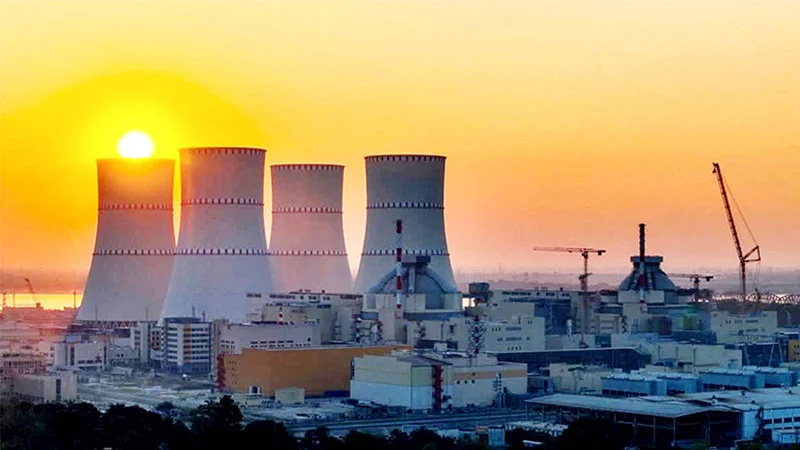
Over the last 15 years, the Hasina administration significantly expanded Bangladesh’s electricity generation capacity, often granting power plant licenses to business allies of the ruling Awami League. Many of these plants operated below capacity due to lower demand, yet still required capacity charges to be paid. Despite this, the Bangladesh Power Development Board (BPDB) faced substantial losses by purchasing electricity from these costly plants and selling it at lower prices. To bridge the financial gap, the government regularly provided subsidies to BPDB, though in recent years, subsidy demands have skyrocketed without adequate funding.


When the Hasina government exited, it left a subsidy backlog of Tk 17,240 crore in the power sector for the interim government to manage. This issue was exacerbated as new, large-scale power plants began operations, increasing subsidy needs further. While the current government has resisted immediate electricity price hikes, it faces pressure from the International Monetary Fund (IMF) to eliminate subsidies in this sector as a condition for loans. To address this, the interim government is considering raising the subsidy allocation in the revised budget to clear older dues and reduce future obligations.


The BPDB’s data shows a rising trend in subsidy arrears over the past decade. For instance, from FY 2017-18 to FY 2023-24, subsidy demands consistently exceeded allocations, resulting in cumulative backlogs. In FY 2021-22, amid soaring global energy prices and the commissioning of new plants, subsidy requirements surged to Tk 29,658 crore, but only Tk 12,800 crore was allocated, leaving a backlog of Tk 20,713 crore. By FY 2022-23, with additional costs from high-capacity plants like Adani and Rampal, the total subsidy demand grew to Tk 60,258 crore, while allocations only met half that amount, leaving Tk 30,737 crore unpaid.


Though global fuel prices declined slightly in FY 2023-24, subsidy requirements remained high due to accumulated dues and additional capacity charges. At the end of the Hasina government’s tenure, the BPDB faced a total subsidy backlog of Tk 35,143 crore. For FY 2024-25, BPDB estimates its subsidy needs to be Tk 38,000 crore, which, combined with prior dues, totals Tk 73,143 crore. The initial budget allocation of Tk 36,000 crore will likely leave a gap of Tk 37,143 crore unless the interim government increases the subsidy allocation to Tk 66,000 crore in the revised budget. Experts warn that this would impose a significant burden on the national budget, complicating fiscal management.
 

Tag :

Please Share This Post in Your Social Media

The interim government bears the burden of power sector subsidies!

Update Time : 06:40:10 am, Tuesday, 28 January 2025

Over the last 15 years, the Hasina administration significantly expanded Bangladesh’s electricity generation capacity, often granting power plant licenses to business allies of the ruling Awami League. Many of these plants operated below capacity due to lower demand, yet still required capacity charges to be paid. Despite this, the Bangladesh Power Development Board (BPDB) faced substantial losses by purchasing electricity from these costly plants and selling it at lower prices. To bridge the financial gap, the government regularly provided subsidies to BPDB, though in recent years, subsidy demands have skyrocketed without adequate funding.


When the Hasina government exited, it left a subsidy backlog of Tk 17,240 crore in the power sector for the interim government to manage. This issue was exacerbated as new, large-scale power plants began operations, increasing subsidy needs further. While the current government has resisted immediate electricity price hikes, it faces pressure from the International Monetary Fund (IMF) to eliminate subsidies in this sector as a condition for loans. To address this, the interim government is considering raising the subsidy allocation in the revised budget to clear older dues and reduce future obligations.


The BPDB’s data shows a rising trend in subsidy arrears over the past decade. For instance, from FY 2017-18 to FY 2023-24, subsidy demands consistently exceeded allocations, resulting in cumulative backlogs. In FY 2021-22, amid soaring global energy prices and the commissioning of new plants, subsidy requirements surged to Tk 29,658 crore, but only Tk 12,800 crore was allocated, leaving a backlog of Tk 20,713 crore. By FY 2022-23, with additional costs from high-capacity plants like Adani and Rampal, the total subsidy demand grew to Tk 60,258 crore, while allocations only met half that amount, leaving Tk 30,737 crore unpaid.


Though global fuel prices declined slightly in FY 2023-24, subsidy requirements remained high due to accumulated dues and additional capacity charges. At the end of the Hasina government’s tenure, the BPDB faced a total subsidy backlog of Tk 35,143 crore. For FY 2024-25, BPDB estimates its subsidy needs to be Tk 38,000 crore, which, combined with prior dues, totals Tk 73,143 crore. The initial budget allocation of Tk 36,000 crore will likely leave a gap of Tk 37,143 crore unless the interim government increases the subsidy allocation to Tk 66,000 crore in the revised budget. Experts warn that this would impose a significant burden on the national budget, complicating fiscal management.