Law and order is deteriorating, raising concerns over a smooth transfer of power

- Update Time : 03:02:20 pm, Wednesday, 3 September 2025
- / 795 Time View


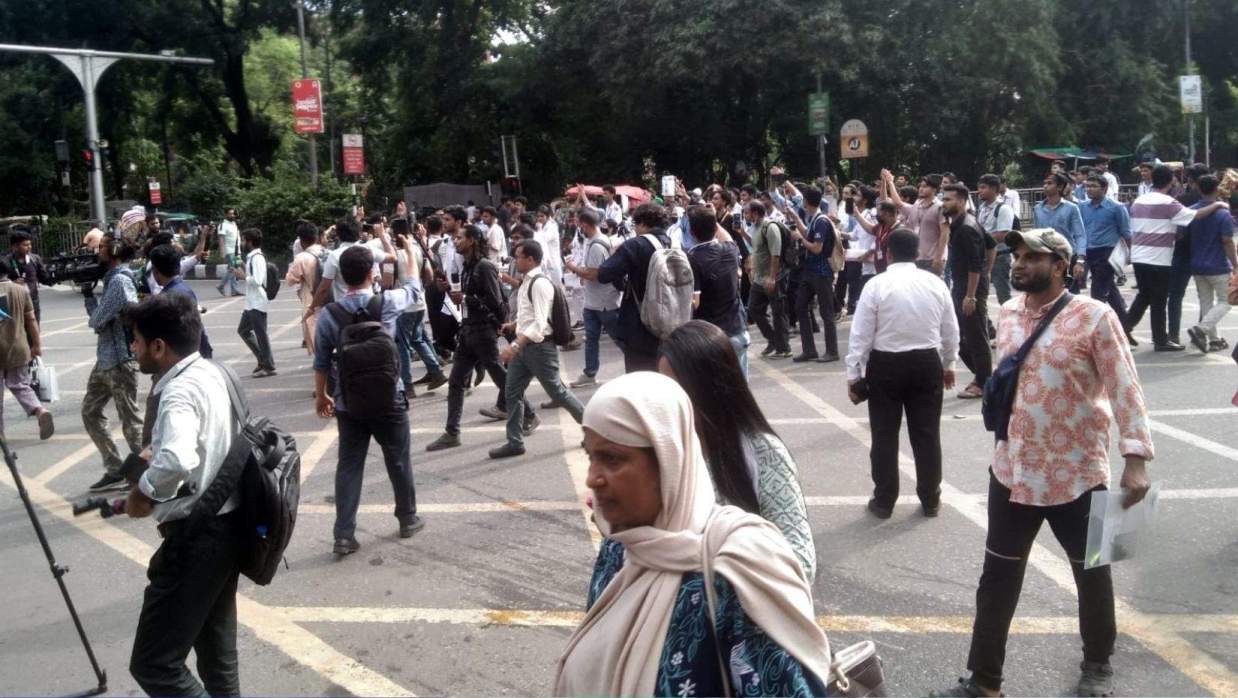
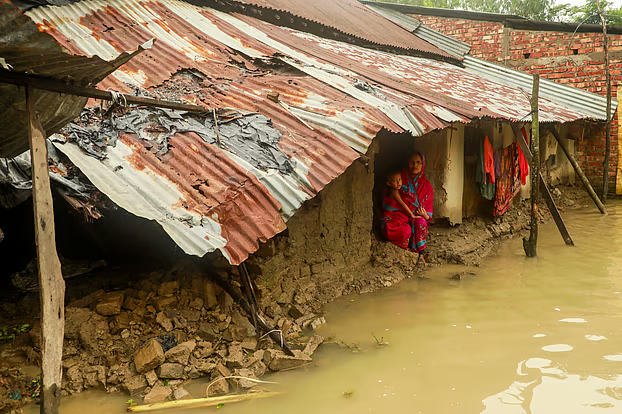
Human rights organization South Asians for Human Rights (SAHR) has expressed serious concern over attacks and mob violence targeting minority communities, women, and other vulnerable groups in post-uprising Bangladesh. They highlighted that issues such as mass killing cases, denial of bail to accused persons, gaps and delays in the judicial process have further increased insecurity among ordinary citizens.
The organization noted that such conditions raise apprehension over a peaceful transfer of power through free and fair elections. SAHR emphasized that restoring public confidence quickly is essential to create a conducive environment for elections and to overcome the ongoing crisis.
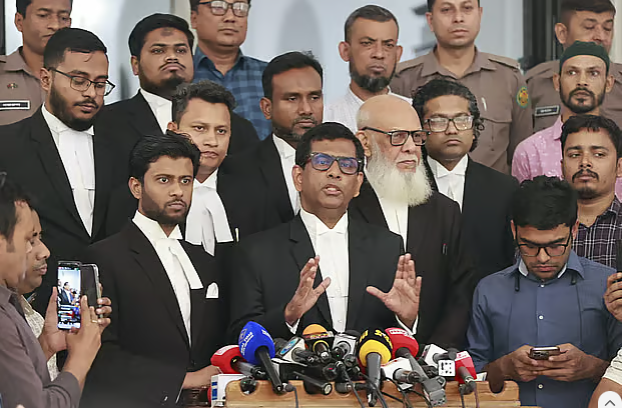
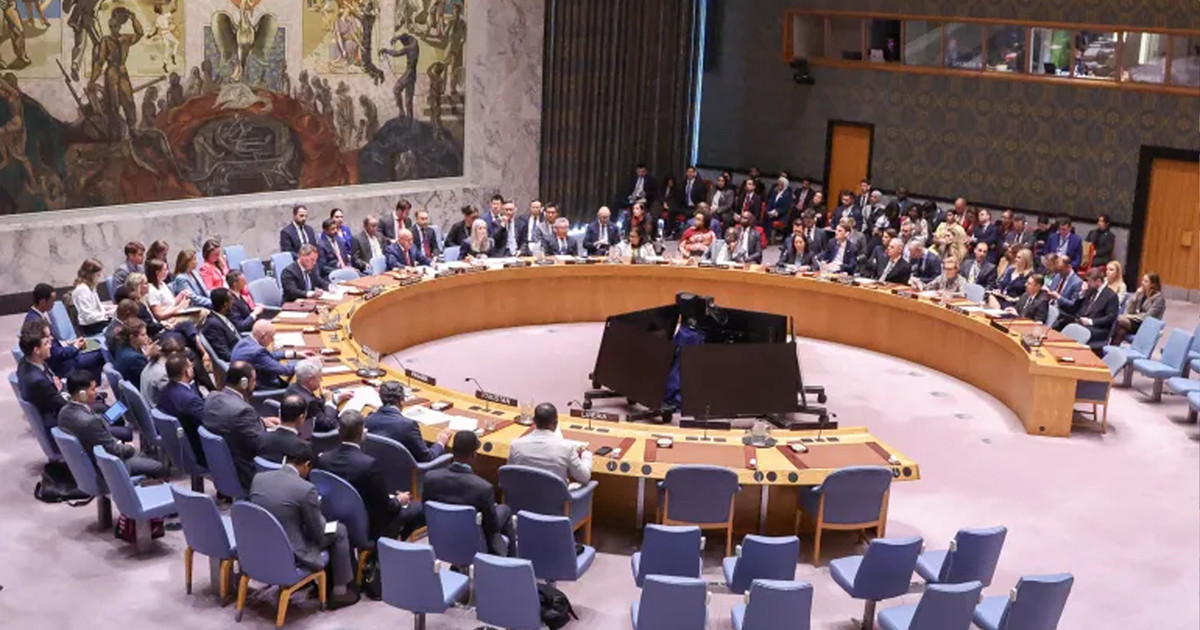
These observations were presented by SAHR Executive Director, Dixsa Illangasinghe, at a press conference titled “A Year of Transition in Bangladesh”, held Wednesday afternoon at Dhrikpath Bhaban in Dhaka. Three SAHR members had visited Bangladesh on August 28 to monitor human rights conditions following last year’s July mass uprising. During the visit, they met with Chief Adviser Professor Muhammad Yunus, other advisers, members of reform commissions, civil society representatives, and students.
At the press conference, Illangasinghe noted a visible deterioration in law and order since July, stating that weaknesses in public safety systems had prevented security forces from controlling mobs, retaliatory attacks, and overall law and order.
She stressed that the interim government must ensure the safety of all citizens, calling for urgent reforms in the constitution, judiciary, and law enforcement agencies.
Illangasinghe also emphasized the need to protect minority communities, their property, and places of worship. Targeted attacks on Hindus, Ahmadis, Sufi followers, indigenous groups in the plains and Chittagong Hill Tracts, gender-based minority populations, and women by security forces, religious groups, and organized mobs are deeply alarming.
The press conference outlined nine key observations and concerns, including the continued use of repressive laws enacted under previous authoritarian regimes, ongoing attacks on freedom of expression, dysfunction in the National Human Rights Commission and the Information Commission, and increasing polarization and division within civil society.
Also present at the press briefing were SAHR Co-Chair Rashmi Goswami, member Saroop Ijaz, and Bangladesh Bureau member Saeed Ahmed.