Bangladesh Nears Nuclear Power as Rooppur Fuel Loading Begins

- Update Time : 04:28:55 am, Tuesday, 28 April 2026
- / 135 Time View
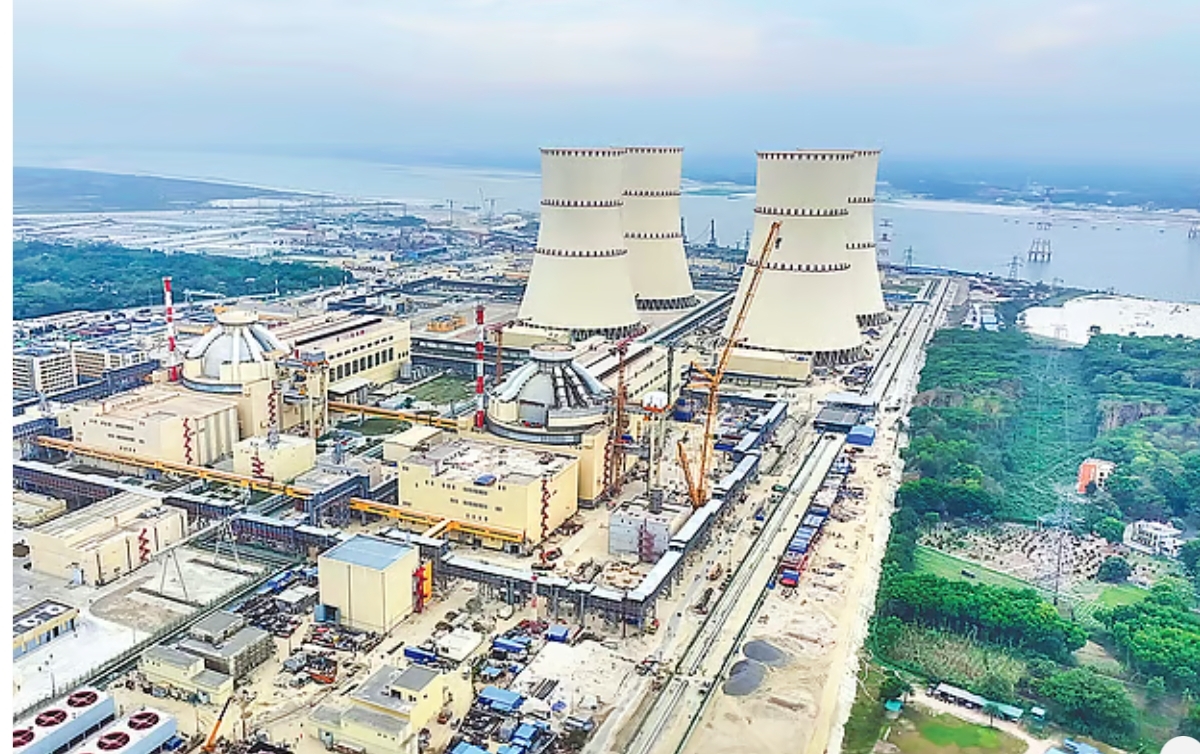

Bangladesh Begins Nuclear Fuel Loading at Rooppur Power Plant
Bangladesh is entering a new phase in its energy sector as nuclear fuel loading starts today at the first unit of the Rooppur Nuclear Power Plant. This marks a major milestone toward generating electricity from nuclear energy for the first time in the country.
The fuel insertion process is expected to take around 30 days. After that, another 34 days may be needed for radiation activation and technical testing. Officials estimate it could take roughly 10 months before the plant reaches full power generation and supplies electricity safely to the national grid.
Once operational, Rooppur will make Bangladesh the world’s 33rd nation to use nuclear power for energy production.
How the Plant Will Generate Electricity
Uranium fuel assemblies will be placed inside the reactor core. Heat produced from nuclear reactions will convert water into steam, which will drive turbines to generate electricity.
The government says trial power generation will begin in stages, with around 300 megawatts potentially supplied to the national grid by August.
Project Capacity and Importance
Rooppur is Bangladesh’s largest single infrastructure project. It includes two units, each capable of producing 1,200 megawatts, for a combined capacity of 2,400 megawatts.
Officials say the plant could eventually meet 10 to 12 percent of the country’s electricity demand while reducing long-term dependence on fossil fuels.
Fuel and Operations
Each reactor uses specially designed uranium fuel bundles containing hundreds of fuel rods. One fuel cycle is expected to last about 18 months before replacement is required.
Used nuclear fuel will be managed under strict international safety supervision and returned to Russia under existing agreements.
Delays and Rising Costs
The project has faced delays due to the COVID-19 pandemic, the Russia-Ukraine war, supply chain problems, payment complications, and currency pressures.
Although contractor costs reportedly did not rise under revised agreements, exchange-rate changes significantly increased total project expenses. The updated cost is now estimated at more than Tk 1.38 trillion.
Economic and Environmental Benefits
Experts say the plant could help lower costly fuel imports and reduce carbon emissions compared with coal- and gas-based generation. Nuclear power also offers stable round-the-clock electricity, unlike some seasonal renewable sources.
Remaining Challenges
Specialists emphasize that safety checks, skilled workforce development, waste management, and regulatory approvals remain essential before full commercial operation begins.
While fuel loading is a major milestone, the project’s real success will depend on delivering reliable electricity to consumers.