The winter breeze set everything in motion.

- Update Time : 05:48:05 am, Wednesday, 17 December 2025
- / 237 Time View
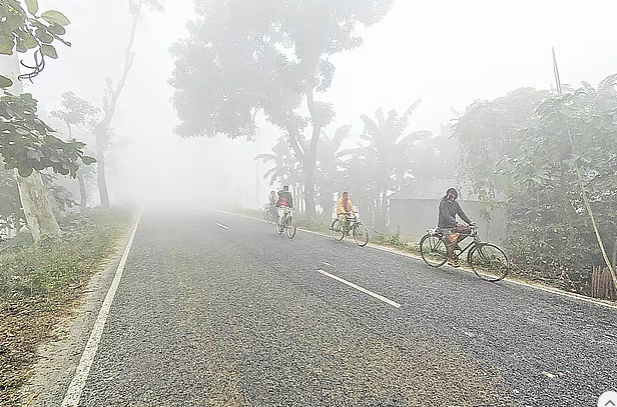

The final days of late autumn seem to arrive quietly, almost tenderly. Afternoons soften under a blend of light and shadow, thin mist drifts through the air, and the scent of ripened paddy floats on the breeze. Standing fields of harvested rice stalks signal that one season has completed its duty. Time itself appears to slow, carrying the fragrance of crops as it gently shifts toward something new.
Within this transition comes the first whisper of winter. Just as flocks of migratory birds tracing distant skies hint at changing paths, early-morning dew announces that nature is preparing to dress itself in a new light.
Winter in Bengal spans the months of Poush and Magh, and Tuesday marked its official beginning. When the mild chill of late autumn has already trained the body, winter enters with its own rhythm. In villages, the sounds of husking rice and pounding grain add a homely melody to daily life. The smell, the sounds, the sensations of winter together create a rare sense of closeness and calm.
Winter mornings in Bengal feel distinctly different. When the first rays of dawn touch the dew resting on blades of grass, it feels as though nature is breathing afresh. Walking along village paths, trees appear wrapped in soft veils of mist. Far away, sunlight glimmers across paddy fields, creating scenes that feel almost unreal.
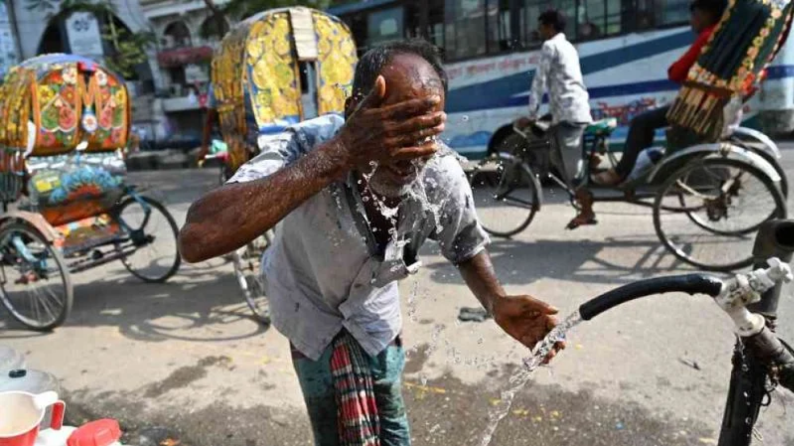
The city of Dhaka, too, takes on a subtle change. Light shawls, woollen sweaters, and warm clothing have already emerged. Advertisements for petroleum jelly, body lotion, and moisturisers fill newspapers and television screens. Footpaths in areas like Gulistan, Paltan, and Motijheel bustle with winter clothing stalls. Amid familiar crowds, traffic noise, and daily rush, a measured chill quietly blends into the city air.
Another winter story unfolds in the chatter of migratory birds. Flying thousands of miles from places like Siberia and Mongolia, they find refuge in Bangladesh’s wetlands, haors, and beels. Their dives into water, fluttering wings, and coordinated flights across open skies turn winter into a season of colour and movement.
In rural life, winter means the season of rice cakes. Fresh rice flour, clay stoves fueled by straw, and the rich sweetness of molten molasses make winter feel intimate and familiar. Steam rising from handmade pithas—puli, bhapa, and chitoi—draws families closer. Some are shared at home, others carefully sent to relatives and friends far away. In this way, winter slows people down, warms them, and brings them together.
The city is no exception. From afternoon to late night, steaming pitha stalls line the streets, drawing crowds of all ages eager to savour winter’s warmth through taste.
As the season deepens, plant growth slows and pale leaves fall quietly to the ground. Parks such as Ramna, Suhrawardy Udyan, and Osmani Udyan stand as silent witnesses to the change of seasons.
Yet before spring arrives, winter announces itself through flowers. Marigolds bloom first, followed by dahlias, sunflowers, cosmos, chrysanthemums, gerberas, gladiolus, gazania, lilies, and dianthus. Even on fog-laden days, these blossoms scatter colour across the landscape.
Fields during winter offer another kind of beauty. Spinach, mustard greens, eggplant, tomatoes, cauliflower, cabbage, gourds, beans, and coriander flourish across farmlands, courtyards, and roadside plots. Trucks loaded with fresh vegetables roll into cities daily, though rising prices still deny urban residents much relief.
With water levels dropping in ponds, rivers, and wetlands, fishing becomes lively. Small fish such as puti, mola, tengra, and shrimp appear in abundance, alongside larger varieties like boal, shol, ayre, chital, rohu, pangas, and many others—each bringing its own flavour to winter meals.
Yet winter is not only a season of comfort. For street children, the homeless, and labourers who sleep outdoors, it often brings hardship. In northern districts, cold tightens its grip each year, with children and the elderly suffering the most. Coughs, colds, fevers, and breathing difficulties become common companions of the season.
Winter, then, is not just about keeping ourselves warm—it is also a reminder to care for the warmth of others.