Dhaka 10:35 am, Friday, 26 December 2025

Saudi-Israel normalization efforts have stalled despite multiple initiatives by Trump

Staff Correspondent
  • Update Time : 08:43:57 am, Tuesday, 23 December 2025
  • / 57 Time View

Saudi Arabia Maintains Firm Stance on Israel Ties Amid US Diplomatic Push

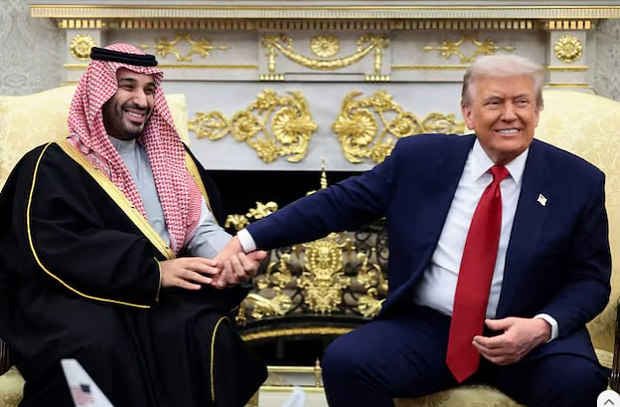
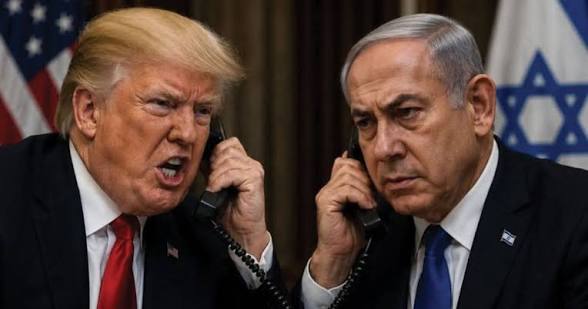
Reports suggest that US President Donald Trump may have hoped to hear Saudi Crown Prince Mohammed bin Salman express a willingness to normalize relations with Israel during his visit to the White House last November. However, the Crown Prince clarified that Saudi Arabia’s priority remains ensuring a clear path toward a two-state solution between Israel and Palestine.

During the November visit, Trump and Mohammed bin Salman discussed a wide range of issues, including military agreements, nuclear cooperation, artificial intelligence, and increased Saudi investment in the United States. Despite the diplomatic efforts, the Crown Prince reiterated that Saudi Arabia would not establish formal ties with Israel until the creation of an independent Palestinian state is guaranteed.

US Longstanding Desire for Arab-Israel Normalization

The United States has long pursued normalized relations between Israel and Arab nations. During Trump’s first term, the Abraham Accords of 2020 opened the door for countries such as the United Arab Emirates and Bahrain to formally recognize Israel, raising hopes that Saudi Arabia might follow.

In July, Saudi Foreign Minister Faisal bin Farhan emphasized that the establishment of a Palestinian state would take precedence over normalization with Israel. The Kingdom participated in a UN-backed initiative alongside France to restart two-state negotiations between Israel and Palestine, signaling that its stance is strategic, not merely rhetorical. Saudi Arabia’s position hardens further if Israel continues military operations in Gaza or expands settlements in the West Bank.

Historical Context

Saudi Arabia first indicated the possibility of normalizing relations with Israel in 2002 under then-Crown Prince Abdullah. He proposed that if Israel withdrew from territories captured during the 1967 Six-Day War, the Arab world could move toward formal relations—a plan known as the Arab Peace Initiative. Though supported by the Arab League and Palestinian leaders such as Yasser Arafat and Mahmoud Abbas, Israel rejected the proposal. Subsequent Arab League meetings in 2007 and 2017 reaffirmed support for the initiative, but no progress was made.

Trump pursued the Abraham Accords during his first term, resulting in Bahrain, the UAE, Morocco, and Sudan establishing formal diplomatic relations with Israel. These accords allowed embassy openings and bilateral trade agreements, though Palestinians viewed the agreements as a betrayal.

Trump’s Second Term and Saudi Diplomacy

Upon beginning his second term, Trump intensified efforts to bring Saudi Arabia into the normalization framework. Analysts noted that he appeared willing to prioritize Saudi interests, even at the expense of Israel’s preferences. In October, he publicly expressed hope that Saudi Arabia would soon join the Abraham Accords. The following month, he hosted Crown Prince Mohammed bin Salman at the White House with unprecedented ceremony, including mounted guards and a flyover of fighter jets, signaling the strategic importance of the relationship.

During the visit, discussions covered expanding Saudi investment in the US from $60 billion to $100 billion and selling advanced F-35 fighter jets, with specifications comparable to those delivered to Israel. Trump highlighted that both nations would receive top-tier military equipment, underscoring Washington’s emphasis on Saudi-US strategic alignment.

Stalled Normalization

Despite repeated diplomatic initiatives, Saudi-Israel formal relations remain on hold. The impasse is not due to a lack of interest but reflects complex negotiations: Saudi Arabia demands concrete progress toward Palestinian statehood, while Israel has yet to offer sufficient guarantees. The US position has also fluctuated, influenced by shifting strategic and political priorities.

Saudi Arabia’s cautious stance is reinforced by Israel’s ongoing military operations in Gaza and settlement expansion in the West Bank. Future developments depend on whether Israel is willing to alter its approach to the E1 corridor and other West Bank settlements, as well as the scope and limitations of US-Saudi nuclear cooperation. Analysts emphasize that until these critical gaps are addressed, normalization will remain a distant prospect rather than an imminent reality.

Tag :

Please Share This Post in Your Social Media

Saudi-Israel normalization efforts have stalled despite multiple initiatives by Trump

Update Time : 08:43:57 am, Tuesday, 23 December 2025

Saudi Arabia Maintains Firm Stance on Israel Ties Amid US Diplomatic Push

Reports suggest that US President Donald Trump may have hoped to hear Saudi Crown Prince Mohammed bin Salman express a willingness to normalize relations with Israel during his visit to the White House last November. However, the Crown Prince clarified that Saudi Arabia’s priority remains ensuring a clear path toward a two-state solution between Israel and Palestine.

During the November visit, Trump and Mohammed bin Salman discussed a wide range of issues, including military agreements, nuclear cooperation, artificial intelligence, and increased Saudi investment in the United States. Despite the diplomatic efforts, the Crown Prince reiterated that Saudi Arabia would not establish formal ties with Israel until the creation of an independent Palestinian state is guaranteed.

US Longstanding Desire for Arab-Israel Normalization

The United States has long pursued normalized relations between Israel and Arab nations. During Trump’s first term, the Abraham Accords of 2020 opened the door for countries such as the United Arab Emirates and Bahrain to formally recognize Israel, raising hopes that Saudi Arabia might follow.

In July, Saudi Foreign Minister Faisal bin Farhan emphasized that the establishment of a Palestinian state would take precedence over normalization with Israel. The Kingdom participated in a UN-backed initiative alongside France to restart two-state negotiations between Israel and Palestine, signaling that its stance is strategic, not merely rhetorical. Saudi Arabia’s position hardens further if Israel continues military operations in Gaza or expands settlements in the West Bank.

Historical Context

Saudi Arabia first indicated the possibility of normalizing relations with Israel in 2002 under then-Crown Prince Abdullah. He proposed that if Israel withdrew from territories captured during the 1967 Six-Day War, the Arab world could move toward formal relations—a plan known as the Arab Peace Initiative. Though supported by the Arab League and Palestinian leaders such as Yasser Arafat and Mahmoud Abbas, Israel rejected the proposal. Subsequent Arab League meetings in 2007 and 2017 reaffirmed support for the initiative, but no progress was made.

Trump pursued the Abraham Accords during his first term, resulting in Bahrain, the UAE, Morocco, and Sudan establishing formal diplomatic relations with Israel. These accords allowed embassy openings and bilateral trade agreements, though Palestinians viewed the agreements as a betrayal.

Trump’s Second Term and Saudi Diplomacy

Upon beginning his second term, Trump intensified efforts to bring Saudi Arabia into the normalization framework. Analysts noted that he appeared willing to prioritize Saudi interests, even at the expense of Israel’s preferences. In October, he publicly expressed hope that Saudi Arabia would soon join the Abraham Accords. The following month, he hosted Crown Prince Mohammed bin Salman at the White House with unprecedented ceremony, including mounted guards and a flyover of fighter jets, signaling the strategic importance of the relationship.

During the visit, discussions covered expanding Saudi investment in the US from $60 billion to $100 billion and selling advanced F-35 fighter jets, with specifications comparable to those delivered to Israel. Trump highlighted that both nations would receive top-tier military equipment, underscoring Washington’s emphasis on Saudi-US strategic alignment.

Stalled Normalization

Despite repeated diplomatic initiatives, Saudi-Israel formal relations remain on hold. The impasse is not due to a lack of interest but reflects complex negotiations: Saudi Arabia demands concrete progress toward Palestinian statehood, while Israel has yet to offer sufficient guarantees. The US position has also fluctuated, influenced by shifting strategic and political priorities.

Saudi Arabia’s cautious stance is reinforced by Israel’s ongoing military operations in Gaza and settlement expansion in the West Bank. Future developments depend on whether Israel is willing to alter its approach to the E1 corridor and other West Bank settlements, as well as the scope and limitations of US-Saudi nuclear cooperation. Analysts emphasize that until these critical gaps are addressed, normalization will remain a distant prospect rather than an imminent reality.