
Dhaka 8:43 am, Friday, 26 December 2025

Silent Politics and the Threats Facing Bangladesh’s Future

Staff Correspondent
  • Update Time : 06:51:07 pm, Tuesday, 23 December 2025
  • / 48 Time View

“They came for the communists first, and I said nothing, because I was not a communist. Then they took the trade unionists, and I remained silent, because I was not a worker. They came back to send Jews to the gas chambers, and still I stayed quiet, because I was not Jewish. Then they came for the Catholics, and I did not speak, because I was not Catholic. Finally, they came for me—and there was no one left to speak for me.”

These lines are attributed to German cleric Emil Martin. Written after the Second World War, this confessional prose—wrapped in poetic sorrow—is a haunting lament. When the Nazis rose to power, the voices of Germany’s intellectuals and religious leaders gradually fell silent. That silence was not born of ignorance; it was a conscious and convenient blindness. Millions of innocent people around the world ultimately paid the price for that blindness. Bangladesh now appears to be sinking into a similar silence.

Across history, large states have always had complex disputes with their neighbors. Such rivalries are nothing new. But the real danger arises when a powerful state interferes in the sovereignty of neighboring peoples through various means. In such circumstances, public outrage becomes inevitable—and that outrage often lays the groundwork for uprisings.

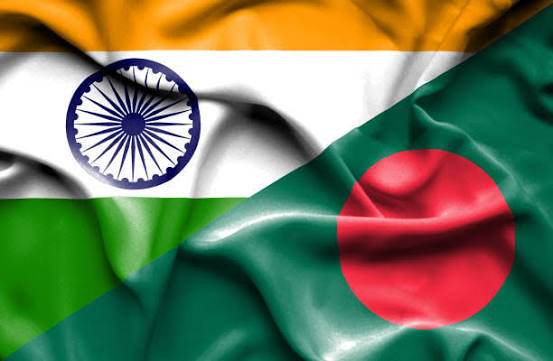
The uprising against the US-backed Batista regime in Cuba, resistance to Soviet occupation in Afghanistan, and even the mass uprising in Bangladesh against the India-favored Awami League government reflect this pattern. The 2024 uprising in Bangladesh was not directly anti-India; it was primarily a revolt against authoritarian rule. Yet a series of controversial agreements with India, combined with unchecked corruption, enforced disappearances, killings, and election rigging—despite continued legitimacy granted by a powerful neighbor—fueled strong anti-India sentiment among the public. That sentiment inevitably cast its shadow over the uprising.

Those who fail to resist today to protect institutions and the media may find no one left to stand with them when they themselves are attacked. Standing before the ruins of destroyed institutions, the echo of Emil Martin’s lament will return in a new form: “They came for the journalists first, and I did nothing…”

A common goal of uprisings aimed at resisting foreign influence is national self-strengthening—building institutions that are independent, resilient, and self-reliant. Yet the painful reality is that since the mass uprising of 2024, no such transformation has truly emerged in Bangladesh’s state character.

During its time in power, the Awami League entrenched partisan control over the judiciary, universities, religious bodies, and nearly every layer of state and autonomous institutions. After its fall, these institutions should have been freed from political capture. Instead, key positions were reclaimed by individuals loyal to other political forces. This is not merely an external observation; members of the interim government, including student advisers and senior figures, have repeatedly expressed regret over this failure. As a result, institutions never recovered in the way they should have after the shock of the uprising.

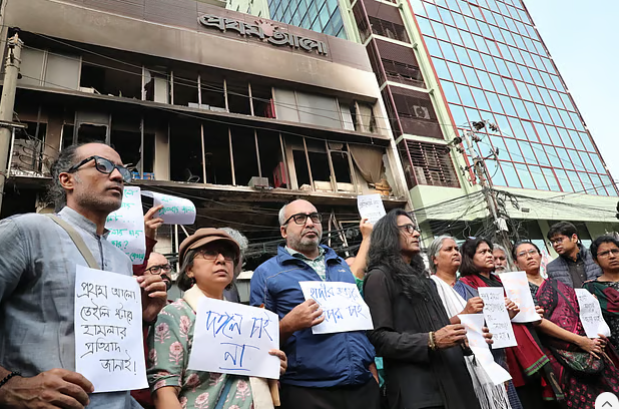
Institutions that the Awami League failed to fully dominate have instead become targets of destruction. Attacks, looting, and arson at media houses such as Prothom Alo and The Daily Star represent the most blatant expressions of this violence.

Under the Awami League government, these media outlets faced lawsuits, harassment, attempts at editorial interference, and even exclusion threats from the highest executive offices. Yet they continued publishing despite adversity, sustained by public trust. In the end, those in power attempted to change ownership and editorial leadership—but the mass uprising cut that effort short. The political actors themselves fled the scene.

Meanwhile, political change led to editorial overhauls and narrative shifts in many newspapers. These two media institutions, however, remained institutionally steadfast. The resentment against them was therefore predictable. What is striking is that this anger does not appear to come from the political forces closest to gaining power through elections. A closer look reveals that the hostility stems from forces opposed to stability and democratic elections. Through acts of terror, what message did the attackers send to the world?

The global audience witnessed an attempt to destroy some of the very few Bangladeshi institutions with international recognition.

India hosts thousands of institutions that project influence across the region and the world. From global technology leadership to a dominant share of the international skilled workforce, India’s reach is extensive. Those who claim to oppose Indian influence in Bangladesh should have focused on depoliticizing constitutional and autonomous institutions and empowering independent bodies. Instead, the opposite occurred. Domestic institutions were attacked—ironically serving Indian influence under the banner of anti-India sentiment.

Even after the attacks on Prothom Alo and The Daily Star, large-scale resistance has yet to materialize. Political parties and civil society actors have protested in their own ways, and their efforts have helped boost morale among media workers. Still, the attacks themselves unfolded almost entirely without resistance. State forces failed to act in time. Political parties did not intervene. Nearby university students remained absent. Religious institutions stayed silent. Fire services arrived late. Even hundreds of journalists present nearby did not mobilize in the early moments.

One of the darkest chapters in the history of Bangladesh’s media was written in flames—without resistance.

Each group may have had its own fears, calculations, or constraints. But together, these silences create an atmosphere of extreme instability and a culture of fear. Those attempting to silence these media outlets for refusing to publish favorable narratives will soon turn to other outlets—and then to other institutions.

Those who do not resist today to protect institutions and the press may find no one left to resist for them tomorrow. And amid the rubble, the sorrowful echo of Emil Martin’s words will resound once again: “They came for the journalists first, and I did nothing, because…”


Tag :

Please Share This Post in Your Social Media

Silent Politics and the Threats Facing Bangladesh’s Future

Update Time : 06:51:07 pm, Tuesday, 23 December 2025

“They came for the communists first, and I said nothing, because I was not a communist. Then they took the trade unionists, and I remained silent, because I was not a worker. They came back to send Jews to the gas chambers, and still I stayed quiet, because I was not Jewish. Then they came for the Catholics, and I did not speak, because I was not Catholic. Finally, they came for me—and there was no one left to speak for me.”

These lines are attributed to German cleric Emil Martin. Written after the Second World War, this confessional prose—wrapped in poetic sorrow—is a haunting lament. When the Nazis rose to power, the voices of Germany’s intellectuals and religious leaders gradually fell silent. That silence was not born of ignorance; it was a conscious and convenient blindness. Millions of innocent people around the world ultimately paid the price for that blindness. Bangladesh now appears to be sinking into a similar silence.

Across history, large states have always had complex disputes with their neighbors. Such rivalries are nothing new. But the real danger arises when a powerful state interferes in the sovereignty of neighboring peoples through various means. In such circumstances, public outrage becomes inevitable—and that outrage often lays the groundwork for uprisings.

The uprising against the US-backed Batista regime in Cuba, resistance to Soviet occupation in Afghanistan, and even the mass uprising in Bangladesh against the India-favored Awami League government reflect this pattern. The 2024 uprising in Bangladesh was not directly anti-India; it was primarily a revolt against authoritarian rule. Yet a series of controversial agreements with India, combined with unchecked corruption, enforced disappearances, killings, and election rigging—despite continued legitimacy granted by a powerful neighbor—fueled strong anti-India sentiment among the public. That sentiment inevitably cast its shadow over the uprising.

Those who fail to resist today to protect institutions and the media may find no one left to stand with them when they themselves are attacked. Standing before the ruins of destroyed institutions, the echo of Emil Martin’s lament will return in a new form: “They came for the journalists first, and I did nothing…”

A common goal of uprisings aimed at resisting foreign influence is national self-strengthening—building institutions that are independent, resilient, and self-reliant. Yet the painful reality is that since the mass uprising of 2024, no such transformation has truly emerged in Bangladesh’s state character.

During its time in power, the Awami League entrenched partisan control over the judiciary, universities, religious bodies, and nearly every layer of state and autonomous institutions. After its fall, these institutions should have been freed from political capture. Instead, key positions were reclaimed by individuals loyal to other political forces. This is not merely an external observation; members of the interim government, including student advisers and senior figures, have repeatedly expressed regret over this failure. As a result, institutions never recovered in the way they should have after the shock of the uprising.

Institutions that the Awami League failed to fully dominate have instead become targets of destruction. Attacks, looting, and arson at media houses such as Prothom Alo and The Daily Star represent the most blatant expressions of this violence.

Under the Awami League government, these media outlets faced lawsuits, harassment, attempts at editorial interference, and even exclusion threats from the highest executive offices. Yet they continued publishing despite adversity, sustained by public trust. In the end, those in power attempted to change ownership and editorial leadership—but the mass uprising cut that effort short. The political actors themselves fled the scene.

Meanwhile, political change led to editorial overhauls and narrative shifts in many newspapers. These two media institutions, however, remained institutionally steadfast. The resentment against them was therefore predictable. What is striking is that this anger does not appear to come from the political forces closest to gaining power through elections. A closer look reveals that the hostility stems from forces opposed to stability and democratic elections. Through acts of terror, what message did the attackers send to the world?

The global audience witnessed an attempt to destroy some of the very few Bangladeshi institutions with international recognition.

India hosts thousands of institutions that project influence across the region and the world. From global technology leadership to a dominant share of the international skilled workforce, India’s reach is extensive. Those who claim to oppose Indian influence in Bangladesh should have focused on depoliticizing constitutional and autonomous institutions and empowering independent bodies. Instead, the opposite occurred. Domestic institutions were attacked—ironically serving Indian influence under the banner of anti-India sentiment.

Even after the attacks on Prothom Alo and The Daily Star, large-scale resistance has yet to materialize. Political parties and civil society actors have protested in their own ways, and their efforts have helped boost morale among media workers. Still, the attacks themselves unfolded almost entirely without resistance. State forces failed to act in time. Political parties did not intervene. Nearby university students remained absent. Religious institutions stayed silent. Fire services arrived late. Even hundreds of journalists present nearby did not mobilize in the early moments.

One of the darkest chapters in the history of Bangladesh’s media was written in flames—without resistance.

Each group may have had its own fears, calculations, or constraints. But together, these silences create an atmosphere of extreme instability and a culture of fear. Those attempting to silence these media outlets for refusing to publish favorable narratives will soon turn to other outlets—and then to other institutions.

Those who do not resist today to protect institutions and the press may find no one left to resist for them tomorrow. And amid the rubble, the sorrowful echo of Emil Martin’s words will resound once again: “They came for the journalists first, and I did nothing, because…”