Why Is Saudi Arabia Strengthening Ties with Turkey?

- Update Time : 05:14:38 am, Sunday, 15 February 2026
- / 408 Time View


Turkish President Recep Tayyip Erdoğan recently paid a visit to Saudi Arabia at a time when tensions persist between Riyadh and Abu Dhabi over conflicting interests in Yemen and the Horn of Africa. At the same time, speculation has intensified that Turkey could join a Saudi–Pakistan military framework. These developments highlight significant regional dynamics. As Saudi Arabia becomes more engaged in Yemen and reasserts itself in regional politics, a central question emerges: where does Turkey fit within Crown Prince Mohammed bin Salman’s vision of a “new Saudi identity”?
Following the 2018 killing of journalist Jamal Khashoggi, Mohammed bin Salman adopted a comparatively low regional profile, concentrating instead on domestic transformation. This shift was strategic. The “new Saudi” concept focuses primarily on redefining national identity rather than assuming leadership responsibilities across the Arab world. Costly experiences in Yemen and Syria, along with decades of unresolved conflict in Palestine, reinforced this recalibration.
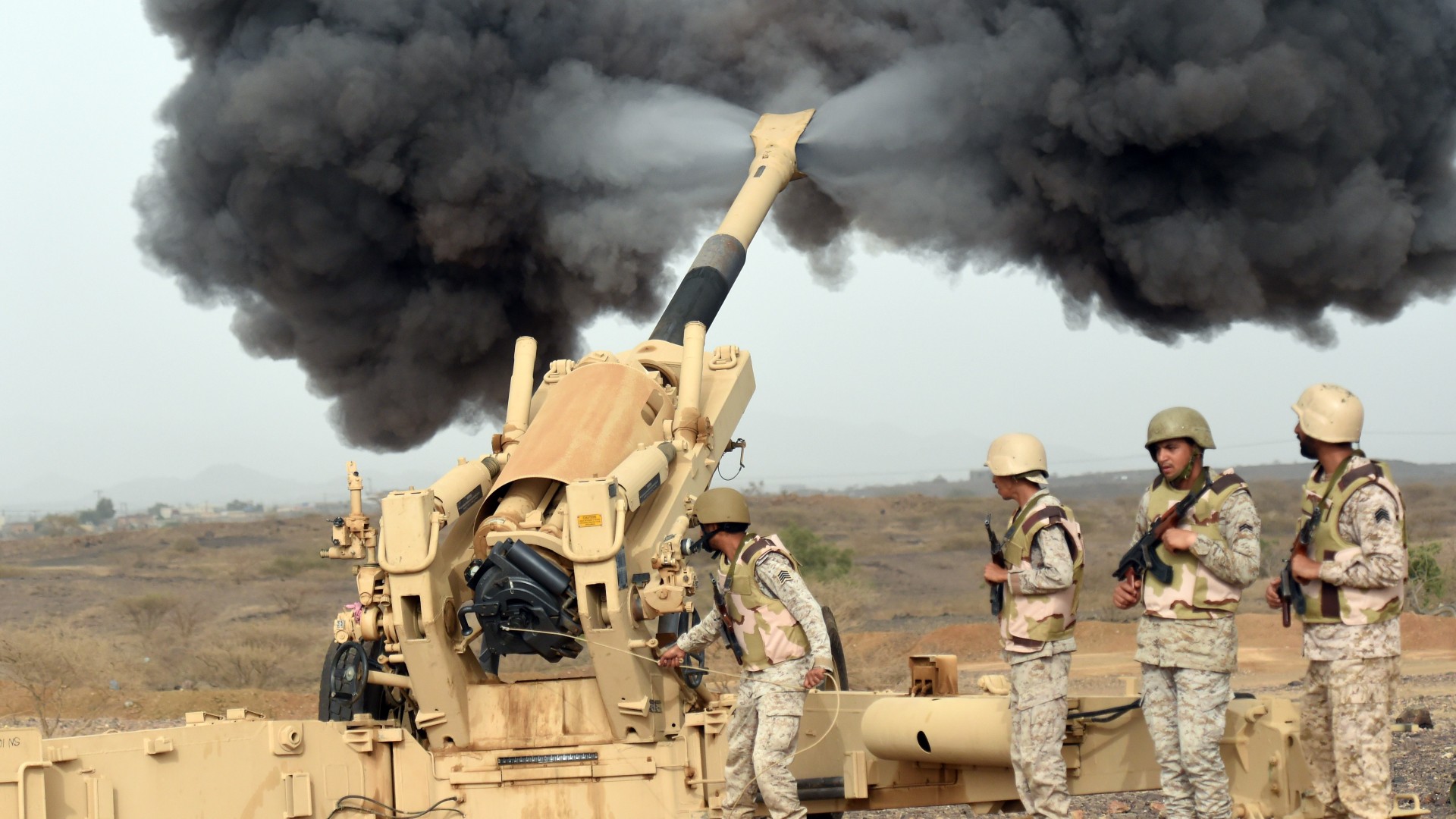
Turkey’s possible participation in a Saudi–Pakistan defense arrangement signals the potential emergence of a new strategic alignment. For Ankara, however, this represents a delicate balancing act, as it must carefully manage relations between Saudi Arabia and the United Arab Emirates.
Since the fall of Bashar al-Assad’s government in Syria in December 2024, Saudi foreign policy has regained momentum. Riyadh now appears intent on redefining its regional posture and strategic priorities.
The “new Saudi” approach is largely inward-focused and driven by practical considerations. First, demographic change: nearly two-thirds of the population is under 30. Second, the need to diversify beyond an oil-dependent economy. Third, the institutional consolidation of Mohammed bin Salman’s authority. Above all, it involves reshaping Saudi identity, placing greater emphasis on monarchy and national pride while gradually sidelining Wahhabi influence.
Against this backdrop, the Crown Prince’s focus on domestic affairs is not accidental but central to his broader strategy. Yet strengthening Saudi Arabia’s regional standing requires dependable partners.
Tensions with the United Arab Emirates have surfaced in Yemen, where Abu Dhabi has prioritized its own interests. Before October 7, 2023, Saudi Arabia had been close to normalizing relations with Israel, but the Gaza conflict has since shifted Riyadh’s focus toward securing peace.
What distinguishes this new approach from earlier Saudi foreign policy is Riyadh’s reluctance to shoulder the Middle East’s burdens alone. The Yemen experience has demonstrated that both allies and rivals have changed.
In this evolving environment, Mohammed bin Salman must recalibrate his strategy while accounting for the growing influence of Qatar and the UAE. Although Saudi Arabia appears to be entering a new phase of regional engagement, it requires reliable partners to sustain a more outward-looking posture.
Turkey’s regional role — from facilitating negotiations over Gaza to contributing to stability efforts in Africa and Yemen — has drawn Riyadh and Ankara closer. This partnership offers Saudi Arabia an opportunity to counterbalance the more assertive policies of the UAE.
During Erdoğan’s recent visit to Riyadh, the two sides issued a joint statement rejecting Israel’s recognition of Somaliland and reaffirmed their support for Somalia’s territorial integrity. They also expressed shared positions on preserving Sudan’s unity, achieving peace in Gaza, and securing Israel’s withdrawal from Syria. Regarding Syria, Erdoğan emphasized that Turkey seeks a country that poses no threat to its neighbors, does not harbor terrorist groups, and embraces inclusive citizenship for all segments of society.
Clearly, Saudi Arabia is no longer stagnant in either domestic or regional politics. Whether its efforts to forge a new identity and strategic partnerships will prove durable and successful, however, remains to be seen.
— Adapted from analysis by Betül Doğan-Akkaş, a Turkish researcher specializing in Gulf Arab states.