Dhaka 4:48 pm, Friday, 5 June 2026

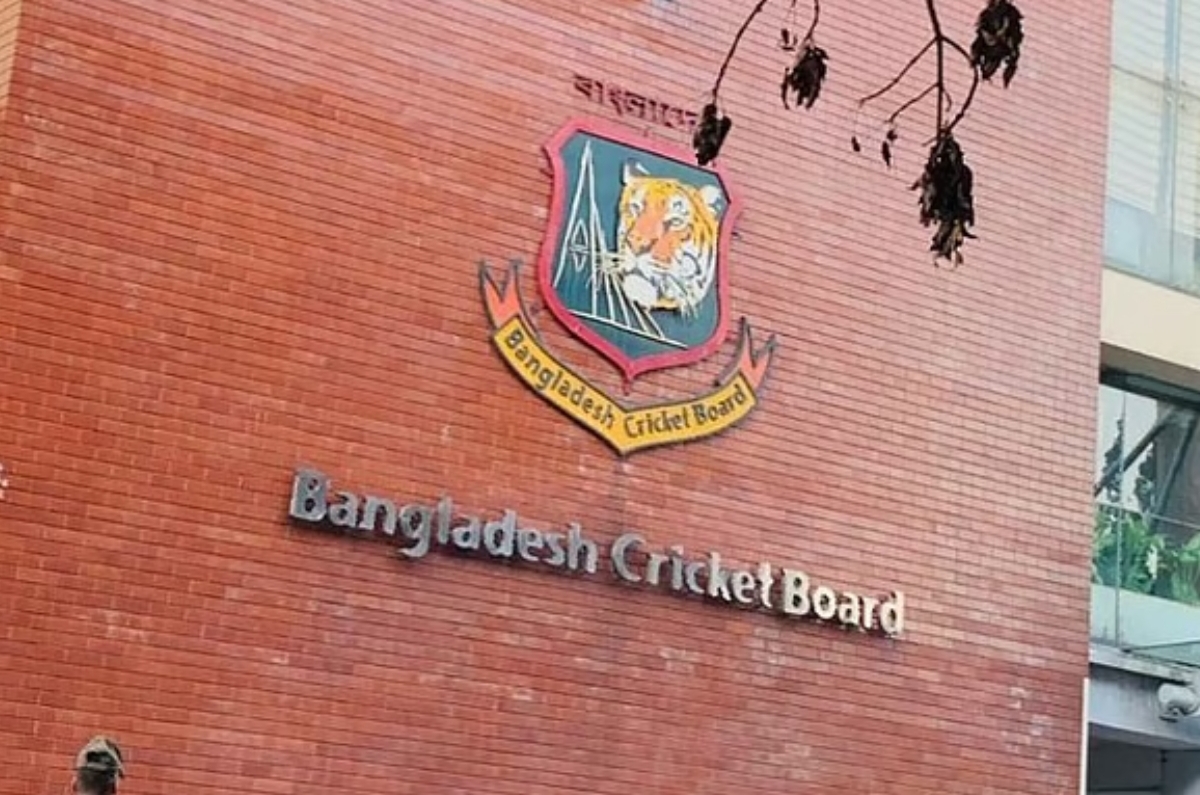
BCB Election Faces Fairness Concerns

Staff Correspondent:
  • Update Time : 04:05:49 am, Friday, 5 June 2026
  • / 29 Time View


In the past, individuals who became directors were generally recognized first for their contributions and experience as sports organizers. While political affiliations have long existed within Bangladesh’s sports clubs, district sports associations, and divisional bodies, those connections were often secondary to their sporting credentials.


There is no shortage of capable sports organizers associated with the BNP or other political groups. However, many experienced figures appear to have been sidelined in the current election process. Observers may question whether influence and patronage have played a larger role than merit in determining who gets the opportunity to compete for leadership positions.


The most recent election for the Bangladesh Cricket Board (BCB) Board of Directors was held on 7 October 2025.


In any sports federation election, a candidate’s record and achievements in sports administration should ideally be the primary consideration. Political identity, if relevant at all, should come afterward. Yet in many cases this election cycle, political connections seem to have become more prominent than sporting experience. Critics argue that without backing from influential quarters, some candidates might not even have secured councilor status, let alone a chance to contest director positions.


Questions have also been raised regarding the selection of councilors from district and divisional bodies. There are allegations that key decisions—including who would represent districts, divisions, and clubs—were effectively determined in advance. In some districts, members of ad hoc committees reportedly had little knowledge of who had been nominated as BCB councilors by the respective district authorities. Concerns about the transparency and reliability of electronic voting have also resurfaced.


These developments have prompted debate about whether meaningful reform has actually taken place. If ad hoc committees were introduced to ensure greater fairness and accountability, critics ask where the evidence of neutrality and transparency can be found. Given the current circumstances, some observers believe the one-sided nature of the June 7 election could further undermine claims that the country’s sports administration is being separated from political influence.

 

Tag :

Please Share This Post in Your Social Media

BCB Election Faces Fairness Concerns

Update Time : 04:05:49 am, Friday, 5 June 2026


In the past, individuals who became directors were generally recognized first for their contributions and experience as sports organizers. While political affiliations have long existed within Bangladesh’s sports clubs, district sports associations, and divisional bodies, those connections were often secondary to their sporting credentials.


There is no shortage of capable sports organizers associated with the BNP or other political groups. However, many experienced figures appear to have been sidelined in the current election process. Observers may question whether influence and patronage have played a larger role than merit in determining who gets the opportunity to compete for leadership positions.


The most recent election for the Bangladesh Cricket Board (BCB) Board of Directors was held on 7 October 2025.


In any sports federation election, a candidate’s record and achievements in sports administration should ideally be the primary consideration. Political identity, if relevant at all, should come afterward. Yet in many cases this election cycle, political connections seem to have become more prominent than sporting experience. Critics argue that without backing from influential quarters, some candidates might not even have secured councilor status, let alone a chance to contest director positions.


Questions have also been raised regarding the selection of councilors from district and divisional bodies. There are allegations that key decisions—including who would represent districts, divisions, and clubs—were effectively determined in advance. In some districts, members of ad hoc committees reportedly had little knowledge of who had been nominated as BCB councilors by the respective district authorities. Concerns about the transparency and reliability of electronic voting have also resurfaced.


These developments have prompted debate about whether meaningful reform has actually taken place. If ad hoc committees were introduced to ensure greater fairness and accountability, critics ask where the evidence of neutrality and transparency can be found. Given the current circumstances, some observers believe the one-sided nature of the June 7 election could further undermine claims that the country’s sports administration is being separated from political influence.