Dhaka 5:16 pm, Saturday, 8 August 2026

Nahid Islam Alleges Political Influence in July Memorial Museum Exhibits

Reporter Name
  • Update Time : 08:42:10 am, Saturday, 8 August 2026
  • / 28 Time View

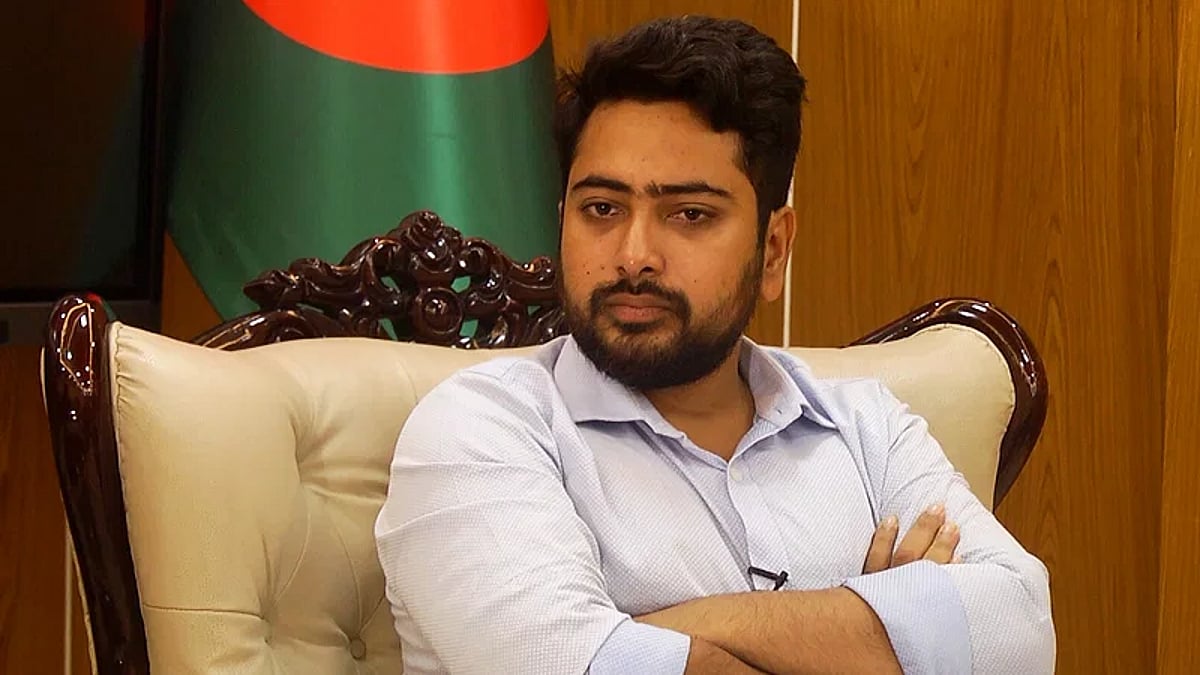
Opposition Chief Whip and convener of the National Citizen Party (NCP), Nahid Islam, has alleged that the July Memorial Museum has undergone changes that reflect a partisan narrative, calling for a more inclusive presentation of historical events.

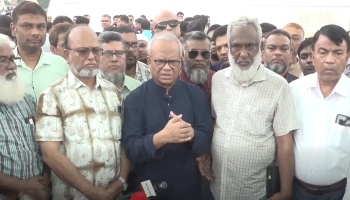
Speaking to reporters on Saturday after visiting the museum, Nahid said the institution should represent the broader experiences of those involved in the July movement rather than promote any specific political viewpoint.

He recalled the events surrounding the movement, stating that students and citizens had gathered at Ganabhaban during the uprising and celebrated what he described as the end of authoritarian rule. He also criticized former Prime Minister Sheikh Hasina, accusing her administration of making harmful decisions over a prolonged period.

According to Nahid, much of the museum’s development had been completed during the tenure of the interim government, while the current administration took several additional months before opening the facility to the public. He claimed that some exhibits had been altered during that period, alleging that photographs related to Felani and demonstrations against Indian Prime Minister Narendra Modi had been removed.

“The museum should preserve historical facts rather than present a party-based narrative,” he said, adding that the contributions of private university students, madrasa students, and participants from universities outside Dhaka were not adequately represented in the current displays.

Nahid said he and his party had shared their concerns with those responsible for managing the museum and urged authorities to ensure that the institution reflects a wider range of perspectives from the movement.

He also accused the BNP of being reluctant to address issues involving India, arguing that certain historical events should remain part of the public record. Nahid further alleged that India had played a role in supporting authoritarian tendencies in Bangladesh, a claim that remains politically contentious.

Raising concerns about the museum’s operations, Nahid said the facility lacks sufficient manpower and institutional support to handle the growing number of visitors. He estimated that around 200 staff members would be needed for effective management, while only a small fraction of that number is currently in place.

The NCP leader also criticized the government’s response to recent political developments involving Sheikh Hasina. He alleged that a conciliatory approach by the administration had enabled the former prime minister to continue making public statements from India and argued that the government’s response had been inadequate.

Museum authorities and government officials had not publicly responded to Nahid’s remarks at the time of reporting.
Tag :

Please Share This Post in Your Social Media

Nahid Islam Alleges Political Influence in July Memorial Museum Exhibits

Update Time : 08:42:10 am, Saturday, 8 August 2026

Opposition Chief Whip and convener of the National Citizen Party (NCP), Nahid Islam, has alleged that the July Memorial Museum has undergone changes that reflect a partisan narrative, calling for a more inclusive presentation of historical events.

Speaking to reporters on Saturday after visiting the museum, Nahid said the institution should represent the broader experiences of those involved in the July movement rather than promote any specific political viewpoint.

He recalled the events surrounding the movement, stating that students and citizens had gathered at Ganabhaban during the uprising and celebrated what he described as the end of authoritarian rule. He also criticized former Prime Minister Sheikh Hasina, accusing her administration of making harmful decisions over a prolonged period.

According to Nahid, much of the museum’s development had been completed during the tenure of the interim government, while the current administration took several additional months before opening the facility to the public. He claimed that some exhibits had been altered during that period, alleging that photographs related to Felani and demonstrations against Indian Prime Minister Narendra Modi had been removed.

“The museum should preserve historical facts rather than present a party-based narrative,” he said, adding that the contributions of private university students, madrasa students, and participants from universities outside Dhaka were not adequately represented in the current displays.

Nahid said he and his party had shared their concerns with those responsible for managing the museum and urged authorities to ensure that the institution reflects a wider range of perspectives from the movement.

He also accused the BNP of being reluctant to address issues involving India, arguing that certain historical events should remain part of the public record. Nahid further alleged that India had played a role in supporting authoritarian tendencies in Bangladesh, a claim that remains politically contentious.

Raising concerns about the museum’s operations, Nahid said the facility lacks sufficient manpower and institutional support to handle the growing number of visitors. He estimated that around 200 staff members would be needed for effective management, while only a small fraction of that number is currently in place.

The NCP leader also criticized the government’s response to recent political developments involving Sheikh Hasina. He alleged that a conciliatory approach by the administration had enabled the former prime minister to continue making public statements from India and argued that the government’s response had been inadequate.

Museum authorities and government officials had not publicly responded to Nahid’s remarks at the time of reporting.