Dhaka 5:59 pm, Friday, 26 December 2025

Dhaka-Islamabad: Revival of Historical Bonds

Reporter Name
  • Update Time : 05:50:40 am, Monday, 27 January 2025
  • / 326 Time View

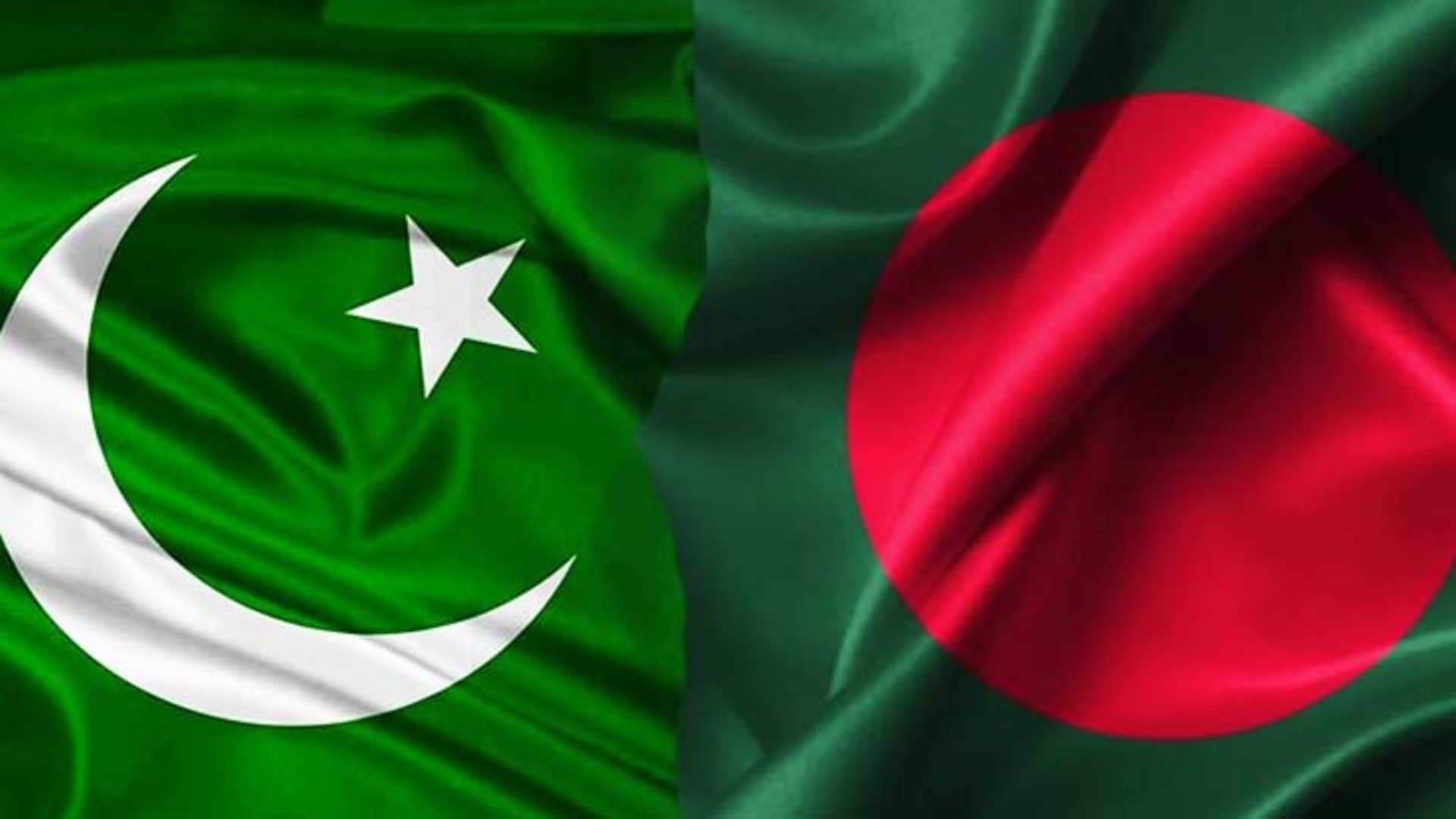
Since the Awami League-led government came to power in 2009, Bangladesh’s relations with Pakistan have remained stagnant. However, following Sheikh Hasina’s fall from power during the August 5 uprising, ties between Dhaka and Islamabad have begun to take a new shape. For the first time in over a decade, Pakistan’s foreign minister is set to visit Bangladesh next month. Ahead of this visit, a delegation of influential Pakistani business representatives recently toured Bangladesh.


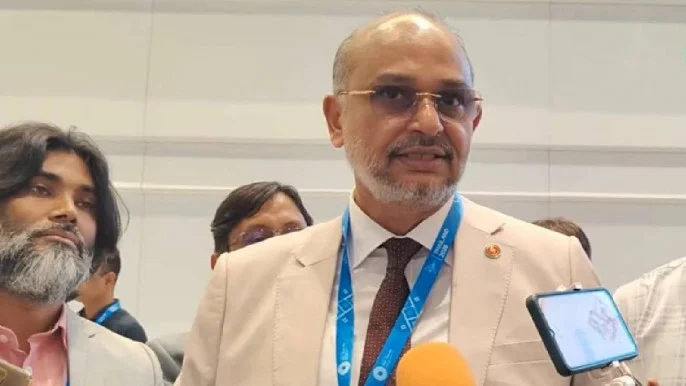
Direct flights between Bangladesh and Pakistan are also set to resume, a move expected to strengthen bilateral relations further. Mohammad Iqbal Hossain, Bangladesh’s newly appointed High Commissioner to Pakistan, announced this development during a press conference in Peshawar. He emphasized that the initiative would boost collaboration in sectors such as tourism, education, and trade.


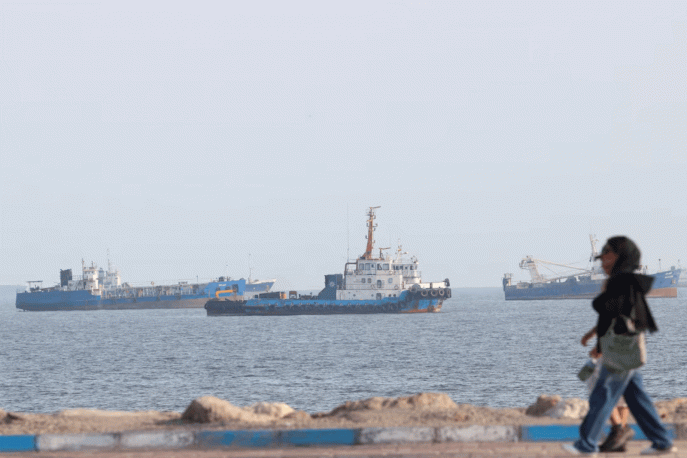
Iqbal Hossain highlighted the historical connection between the two countries and expressed optimism about strengthening these ties. He also underscored the importance of freedom of expression, especially for young people engaging on social media. The envoy pointed to investment opportunities in Khyber Pakhtunkhwa and the demand for Bangladeshi products. He further noted that trade between Chattogram and Karachi continues via shipping routes.


Despite these developments, unresolved issues from 1971 remain a significant barrier to fully normalizing relations. Pakistan has yet to formally apologize for the atrocities committed during Bangladesh’s Liberation War. While Islamabad has occasionally acknowledged the events of 1971 in vague terms, it has not issued an official apology or returned the assets, worth $450 million at the time, seized from Bangladesh during the war. Adjusted for current value, this amount is significantly higher.


Additionally, Pakistan has failed to fulfill its commitments under the 1974 tripartite agreement between Bangladesh, India, and Pakistan, which addressed the exchange of war prisoners and accountability for war crimes. While 195 Pakistani soldiers were identified as war criminals under international law, Pakistan never prosecuted them. Moreover, Islamabad has not repatriated the Bihari refugees who have been stranded in Bangladesh since 1971.


Efforts to address these unresolved issues were reiterated during a recent meeting between Bangladesh’s Chief Advisor, Dr. Muhammad Yunus, and Pakistan’s Prime Minister, Shahbaz Sharif, on the sidelines of the D-8 Summit in Cairo. Dhaka urged Islamabad to resolve these matters as part of advancing bilateral relations.
 

Please Share This Post in Your Social Media

Dhaka-Islamabad: Revival of Historical Bonds

Update Time : 05:50:40 am, Monday, 27 January 2025

Since the Awami League-led government came to power in 2009, Bangladesh’s relations with Pakistan have remained stagnant. However, following Sheikh Hasina’s fall from power during the August 5 uprising, ties between Dhaka and Islamabad have begun to take a new shape. For the first time in over a decade, Pakistan’s foreign minister is set to visit Bangladesh next month. Ahead of this visit, a delegation of influential Pakistani business representatives recently toured Bangladesh.


Direct flights between Bangladesh and Pakistan are also set to resume, a move expected to strengthen bilateral relations further. Mohammad Iqbal Hossain, Bangladesh’s newly appointed High Commissioner to Pakistan, announced this development during a press conference in Peshawar. He emphasized that the initiative would boost collaboration in sectors such as tourism, education, and trade.


Iqbal Hossain highlighted the historical connection between the two countries and expressed optimism about strengthening these ties. He also underscored the importance of freedom of expression, especially for young people engaging on social media. The envoy pointed to investment opportunities in Khyber Pakhtunkhwa and the demand for Bangladeshi products. He further noted that trade between Chattogram and Karachi continues via shipping routes.


Despite these developments, unresolved issues from 1971 remain a significant barrier to fully normalizing relations. Pakistan has yet to formally apologize for the atrocities committed during Bangladesh’s Liberation War. While Islamabad has occasionally acknowledged the events of 1971 in vague terms, it has not issued an official apology or returned the assets, worth $450 million at the time, seized from Bangladesh during the war. Adjusted for current value, this amount is significantly higher.


Additionally, Pakistan has failed to fulfill its commitments under the 1974 tripartite agreement between Bangladesh, India, and Pakistan, which addressed the exchange of war prisoners and accountability for war crimes. While 195 Pakistani soldiers were identified as war criminals under international law, Pakistan never prosecuted them. Moreover, Islamabad has not repatriated the Bihari refugees who have been stranded in Bangladesh since 1971.


Efforts to address these unresolved issues were reiterated during a recent meeting between Bangladesh’s Chief Advisor, Dr. Muhammad Yunus, and Pakistan’s Prime Minister, Shahbaz Sharif, on the sidelines of the D-8 Summit in Cairo. Dhaka urged Islamabad to resolve these matters as part of advancing bilateral relations.