Foreign Capital to Rescue? Bangladesh Eyes Banking Reforms

- Update Time : 09:41:49 am, Saturday, 8 February 2025
- / 353 Time View


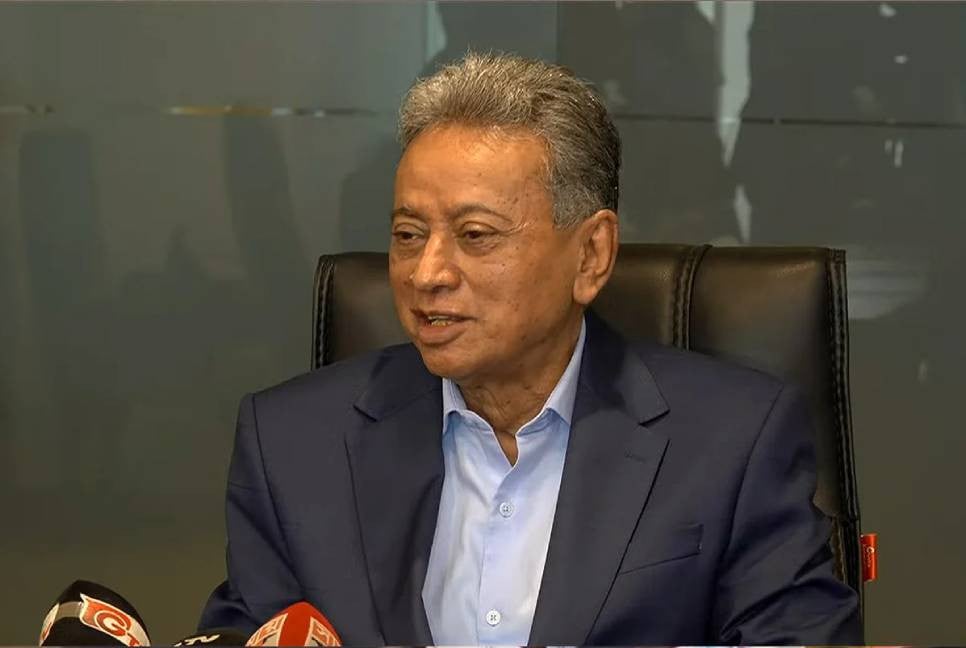
In a recent interview, Bangladesh Bank Governor Ahsan H. Mansur painted a grim picture of the country’s banking sector, revealing that around Tk 2.5 trillion has been looted from banks. Large business groups, including S. Alam Group and Beximco Group, allegedly withdrew massive loans with political backing and involvement from central bank officials.
This crisis is the result of politically influenced loan distributions, which have now pushed the banking sector into turmoil. “It’s not just an economic loss; political factors are deeply entangled,” said the governor. Efforts are being made to restore stability, but the biggest challenge remains—how to recover from this financial blow.
Currently, 18% of loans are classified as non-performing, but the governor warned that this figure could rise to 35%, creating even greater challenges in the coming years. However, he expressed hope that governance reforms, including the implementation of the Bank Resolution Act, could help establish discipline in the sector.
“Our goal is to make Bangladesh Bank an independent and strong institution within four to five years,” he stated, emphasizing the need for long-term planning to prevent such crises in the future. He also confirmed that the Bank Resolution Act would soon be enforced, allowing forensic audits to track down those responsible for the financial mismanagement. “We will ensure full transparency so that people regain confidence in the system,” he added.
Addressing concerns over struggling banks, the governor suggested that Bangladesh has too many banks and that mergers, acquisitions, or even closures might be necessary. He also mentioned plans to attract foreign capital to strengthen the sector’s financial health.
By 2026, the governor aims to bring inflation below 5% and restore trust in the banking system. While bank looting may have stopped, the real question is how long it will take to regain public confidence. “Is this just a matter of time, or does it require deeper structural reforms?” he asked, signaling that the country’s economic future hinges on this decision.
His warning was clear: “We must support banks that can recover, but there is no point in keeping those alive that cannot sustain themselves.”
With Bangladesh’s banking sector facing an unprecedented crisis, the governor’s resolve and the economic leadership’s strategy will play a crucial role in shaping the future.