Dhaka 1:14 pm, Sunday, 9 August 2026

Dhaka Wakes to ‘Unhealthy’ Air as Baghdad Remains Worst

Reporter Name
  • Update Time : 05:38:17 am, Thursday, 15 May 2025
  • / 450 Time View

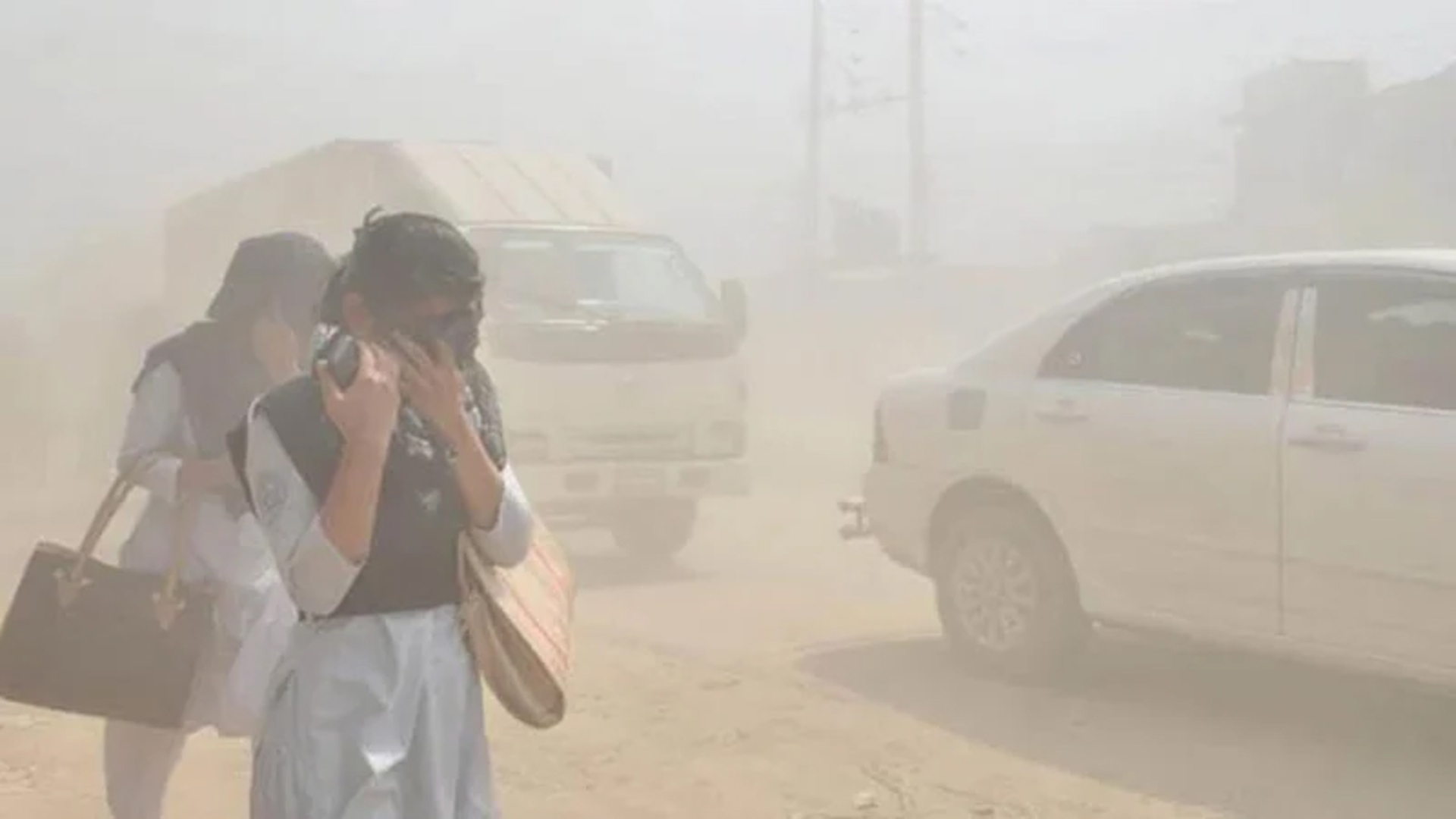
Air pollution continues to rise in major cities across the world, and Dhaka remains no exception. While recent rainfall had temporarily improved the city’s air quality, pollution levels began climbing again from Thursday morning, May 15.


By 8:35 a.m., data from the global air quality monitoring platform IQAir ranked Dhaka as the fifth most polluted city in the world, with an AQI (Air Quality Index) score of 163—classified as “unhealthy” for sensitive groups.


At the same time, Baghdad topped the list with an alarming score of 1092, followed by Delhi (571), Lahore (173), and Dakar (171). An AQI between 151 and 200 is considered unhealthy, particularly for children, the elderly, and individuals with preexisting health conditions. Levels between 201 and 300 are labeled “very unhealthy,” and readings above 300 are considered “hazardous,” posing serious health risks to all residents.


 

Tag :

Please Share This Post in Your Social Media

Dhaka Wakes to ‘Unhealthy’ Air as Baghdad Remains Worst

Update Time : 05:38:17 am, Thursday, 15 May 2025

Air pollution continues to rise in major cities across the world, and Dhaka remains no exception. While recent rainfall had temporarily improved the city’s air quality, pollution levels began climbing again from Thursday morning, May 15.


By 8:35 a.m., data from the global air quality monitoring platform IQAir ranked Dhaka as the fifth most polluted city in the world, with an AQI (Air Quality Index) score of 163—classified as “unhealthy” for sensitive groups.


At the same time, Baghdad topped the list with an alarming score of 1092, followed by Delhi (571), Lahore (173), and Dakar (171). An AQI between 151 and 200 is considered unhealthy, particularly for children, the elderly, and individuals with preexisting health conditions. Levels between 201 and 300 are labeled “very unhealthy,” and readings above 300 are considered “hazardous,” posing serious health risks to all residents.