Dhaka 7:38 pm, Tuesday, 23 June 2026

India’s Trade Ban on Bangladesh Seen as ‘Retaliatory’: Says GTRI

Reporter Name
  • Update Time : 06:15:26 pm, Sunday, 18 May 2025
  • / 839 Time View

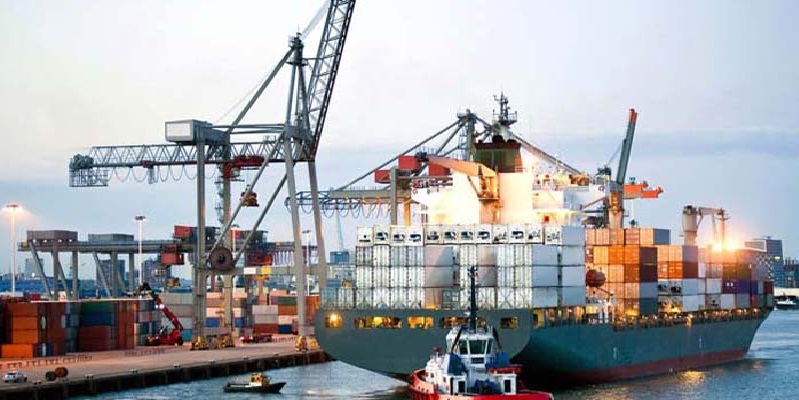
India’s recent trade restriction on Bangladeshi goods through land ports is set to impact $770 million worth of exports annually—around 42% of bilateral trade—according to a report by the Global Trade Research Initiative (GTRI). On May 17, India’s Ministry of Commerce and Industry issued a directive prohibiting the import of Bangladeshi garments through any land ports, restricting such imports to only two seaports: Nhava Sheva and Kolkata.


The directive, issued by the Directorate General of Foreign Trade (DGFT), also bars several other Bangladeshi products—including fruits, processed food, cotton apparel, plastics, dyes, and wooden furniture—from entering India through customs points in Assam, Mizoram, Meghalaya, Tripura, and even West Bengal’s Changrabandha and Fulbari checkpoints.


GTRI warns that this move delivers a major blow to one of the most profitable corridors of trade for Bangladesh. The think tank sees the restriction not as an isolated measure but as a response to Bangladesh’s increasing trade barriers on Indian exports and its growing diplomatic closeness to China. The report notes that after the fall of the India-aligned Hasina government in August 2024, Dhaka has drifted closer to Beijing.


This shift became more apparent during interim head of government Muhammad Yunus’s visit to China in March, where $2.1 billion in new investments and agreements were secured—including the Teesta River development project—seen by India as a challenge to its regional influence. The report also points out that Dr. Yunus referred to India’s northeastern states as “landlocked regions,” a remark interpreted by Indian officials as undermining India’s connectivity interests in the region.


According to Indian sources cited by ANI, Bangladesh has imposed a series of trade restrictions since late 2024, including bans on Indian yarn through key land ports starting April 2025, as well as strict controls on rice, paper, tobacco, fish, and powdered milk imports. Dhaka has also introduced a transit fee of Tk 1.8 per ton per kilometer for Indian cargo moving through its territory.


Indian exporters are reportedly suffering losses as a result. One Indian official remarked that Bangladesh should not selectively interpret bilateral terms solely for its benefit or take market access to India for granted. India remains open to discussions, but insists Bangladesh must create a more conducive environment for cooperation.


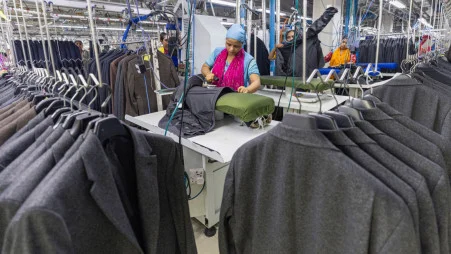
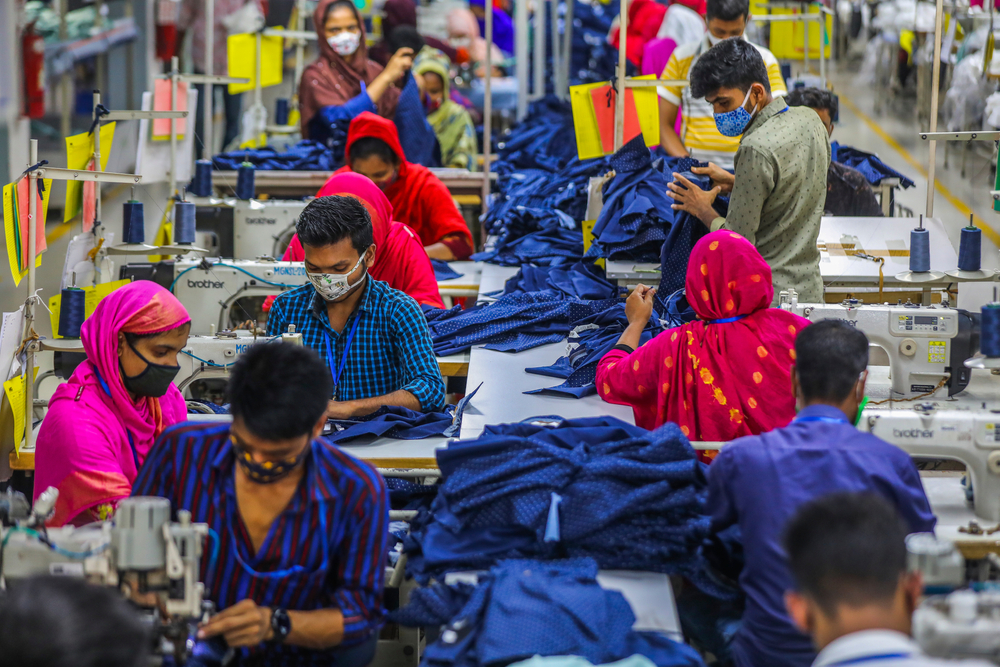
Bangladesh exports nearly $700 million worth of garments annually to India, forming a major part of bilateral trade. With the new land port ban in place, these exports will be funneled through just two seaports, which GTRI warns could significantly disrupt Bangladesh’s apparel trade. The move appears to be India’s retaliation to Bangladesh’s earlier restriction on Indian yarn imports, which heavily impacted northeastern Indian states.


Sources: The Economic Times, Times of India

 

Tag :

Please Share This Post in Your Social Media

India’s Trade Ban on Bangladesh Seen as ‘Retaliatory’: Says GTRI

Update Time : 06:15:26 pm, Sunday, 18 May 2025

India’s recent trade restriction on Bangladeshi goods through land ports is set to impact $770 million worth of exports annually—around 42% of bilateral trade—according to a report by the Global Trade Research Initiative (GTRI). On May 17, India’s Ministry of Commerce and Industry issued a directive prohibiting the import of Bangladeshi garments through any land ports, restricting such imports to only two seaports: Nhava Sheva and Kolkata.


The directive, issued by the Directorate General of Foreign Trade (DGFT), also bars several other Bangladeshi products—including fruits, processed food, cotton apparel, plastics, dyes, and wooden furniture—from entering India through customs points in Assam, Mizoram, Meghalaya, Tripura, and even West Bengal’s Changrabandha and Fulbari checkpoints.


GTRI warns that this move delivers a major blow to one of the most profitable corridors of trade for Bangladesh. The think tank sees the restriction not as an isolated measure but as a response to Bangladesh’s increasing trade barriers on Indian exports and its growing diplomatic closeness to China. The report notes that after the fall of the India-aligned Hasina government in August 2024, Dhaka has drifted closer to Beijing.


This shift became more apparent during interim head of government Muhammad Yunus’s visit to China in March, where $2.1 billion in new investments and agreements were secured—including the Teesta River development project—seen by India as a challenge to its regional influence. The report also points out that Dr. Yunus referred to India’s northeastern states as “landlocked regions,” a remark interpreted by Indian officials as undermining India’s connectivity interests in the region.


According to Indian sources cited by ANI, Bangladesh has imposed a series of trade restrictions since late 2024, including bans on Indian yarn through key land ports starting April 2025, as well as strict controls on rice, paper, tobacco, fish, and powdered milk imports. Dhaka has also introduced a transit fee of Tk 1.8 per ton per kilometer for Indian cargo moving through its territory.


Indian exporters are reportedly suffering losses as a result. One Indian official remarked that Bangladesh should not selectively interpret bilateral terms solely for its benefit or take market access to India for granted. India remains open to discussions, but insists Bangladesh must create a more conducive environment for cooperation.


Bangladesh exports nearly $700 million worth of garments annually to India, forming a major part of bilateral trade. With the new land port ban in place, these exports will be funneled through just two seaports, which GTRI warns could significantly disrupt Bangladesh’s apparel trade. The move appears to be India’s retaliation to Bangladesh’s earlier restriction on Indian yarn imports, which heavily impacted northeastern Indian states.


Sources: The Economic Times, Times of India