“We demand a constitution based on collective public will”: NCP

- Update Time : 12:20:28 pm, Sunday, 20 July 2025
- / 546 Time View
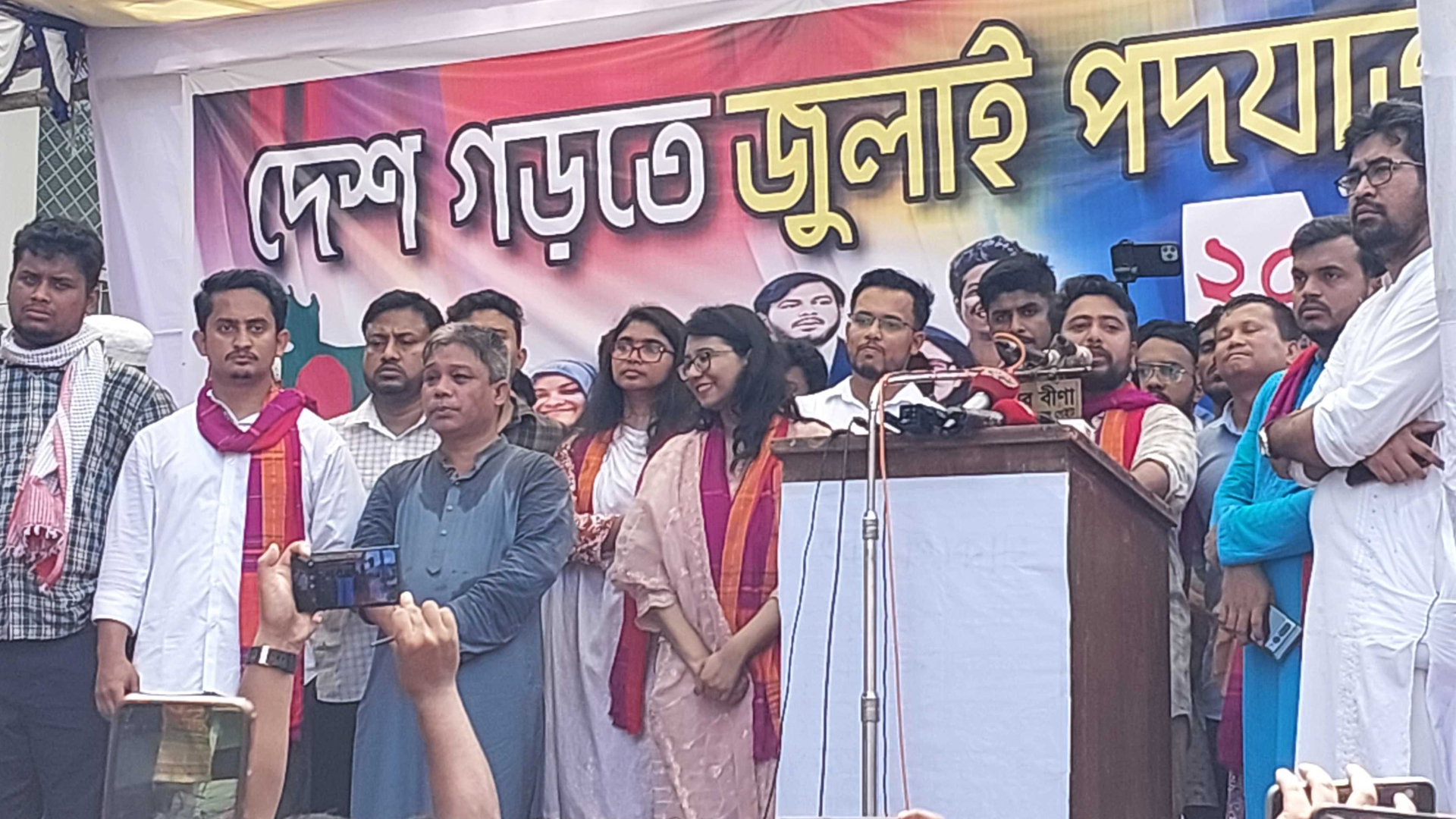

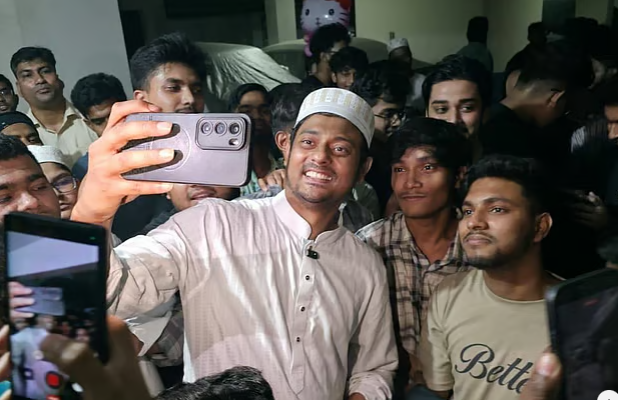
Nahid Islam, the Convenor of the National Citizen Party (NCP), has criticized the 1972 Constitution of Bangladesh, stating it failed to include all communities and instead fostered divisions—particularly in the Chittagong Hill Tracts.
Speaking at a rally in Rangamati on Sunday (June 20) following a protest march, Nahid emphasized the long-standing marginalization of ethnic minorities and accused an unnamed third party of exploiting divisions for political gain.
“For the past fifty years, the people of this country—especially in the Hill Tracts—have suffered from deliberate fragmentation,” he said. “We won’t allow outside forces to benefit from internal disputes anymore.”
Nahid Islam advocated for unity among all ethnic and religious communities, arguing that internal conflicts should be resolved by the communities themselves without external interference. He stressed the need for a new democratic constitution that respects the rights of all groups.
Referencing late indigenous leader M.N. Larma’s opposition to the original Constitution, Nahid stated, “We oppose the Mujibist Constitution of 1972. It excluded many, and it’s time to replace it with a democratic charter that guarantees equal rights.”
He also pledged to pursue a new social agreement that protects everyone’s rights and eliminates the longstanding unrest and divisions in the Hill Tracts.
“Under the guise of Bengali nationalism and religious orthodoxy, minorities have been sidelined,” Nahid added. “We aim to build a Constitution where every citizen—regardless of ethnicity or belief—is valued.”
Earlier in the day, NCP members marched from Rangamati’s Shilpakala Academy to the Banarupa intersection. Speakers at the concluding rally included NCP Joint Secretary Samanta Sharmin, Senior Joint Secretary Dr. Tasnim Zara, Northern Regional Organizer Sarjis Alam, and Southern Regional Organizer Hasnat Abdullah.
Other attendees included Nasiruddin Patwari, Rupaiya Shrestha Tongchangya, and party activists from across various levels of the organization.