Dhaka 8:25 am, Thursday, 18 June 2026

Dhaka cracks down on noise pollution with tougher regulations

Niloy Mridha
  • Update Time : 11:00:19 am, Saturday, 16 August 2025
  • / 503 Time View

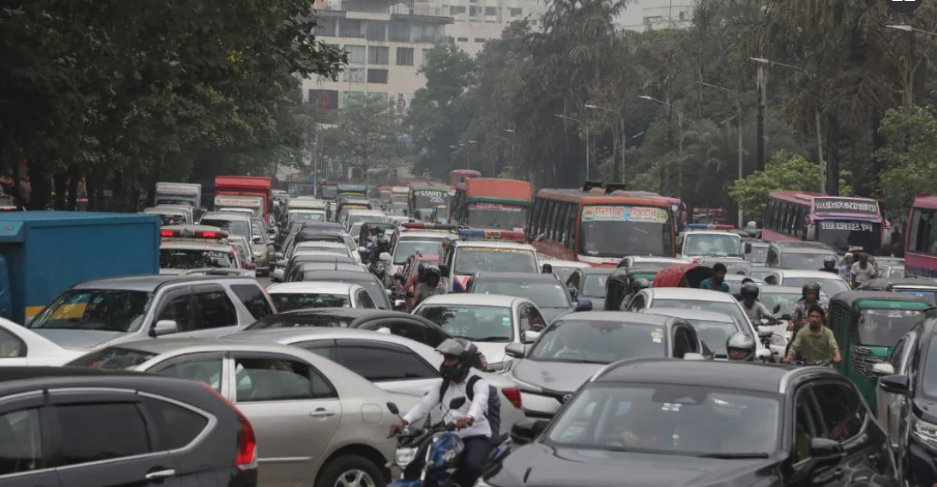
Dhaka’s residents are enduring one of the city’s most persistent and invisible hazards: noise pollution.

From loudspeakers and vehicle horns to construction, factory operations, and generators, the city is inundated with noise from morning until night. Despite the serious health risks, public awareness is low, and enforcement remains weak, making noise pollution a largely ignored problem in Bangladesh.

Although the government has introduced measures, the impact has been limited. For example, the area around Hazrat Shahjalal International Airport has been designated a “Silent Zone,” yet noise levels remain high. Similarly, other designated silent zones in Dhaka—including the Secretariat, Agargaon, and the Parliament area—continue to experience frequent honking and loud activity.

A year-long study by Stamford University’s Center for Atmospheric Pollution Studies (CAPS) from April 2021 to March 2022 measured noise levels at ten locations in Dhaka. The results were alarming: noise exceeded acceptable limits in all areas surveyed—96.7% of the time in silent zones, 91.2% in residential zones, 83.2% in mixed-use areas, 61% in commercial zones, and 18.2% in industrial zones. Overall, 82% of monitored locations consistently recorded noise above 60 decibels, far exceeding the Noise Pollution Control Rules of 2006, which set limits at 45–55 dB for residential areas and 60–70 dB for commercial zones.

To address this, the Ministry of Environment, Forest, and Climate Change is preparing an updated Noise Pollution (Control) Rules, 2025. The draft law proposes stricter penalties and clearer regulations. Key provisions include:

  • Fines and imprisonment: Violations related to noise limits, unauthorized loudspeakers, firecrackers, or construction and factory noise could result in fines up to Tk50,000, one month of imprisonment, or both. Vehicle horn violations may carry fines up to Tk20,000 or one month imprisonment, while importing or marketing horns above legal limits could result in fines of Tk200,000 or up to two years in prison.

  • Permissible decibel levels: Specific limits are defined for different areas—Silent zones: 50 dB (day), 40 dB (night); Residential: 55/45 dB; Mixed-use: 60/50 dB; Commercial: 70/60 dB; Industrial: 75/70 dB. Vehicle horns are also regulated: light vehicles up to 85 dB, medium vehicles 90 dB, heavy vehicles and mechanical boats 100 dB.

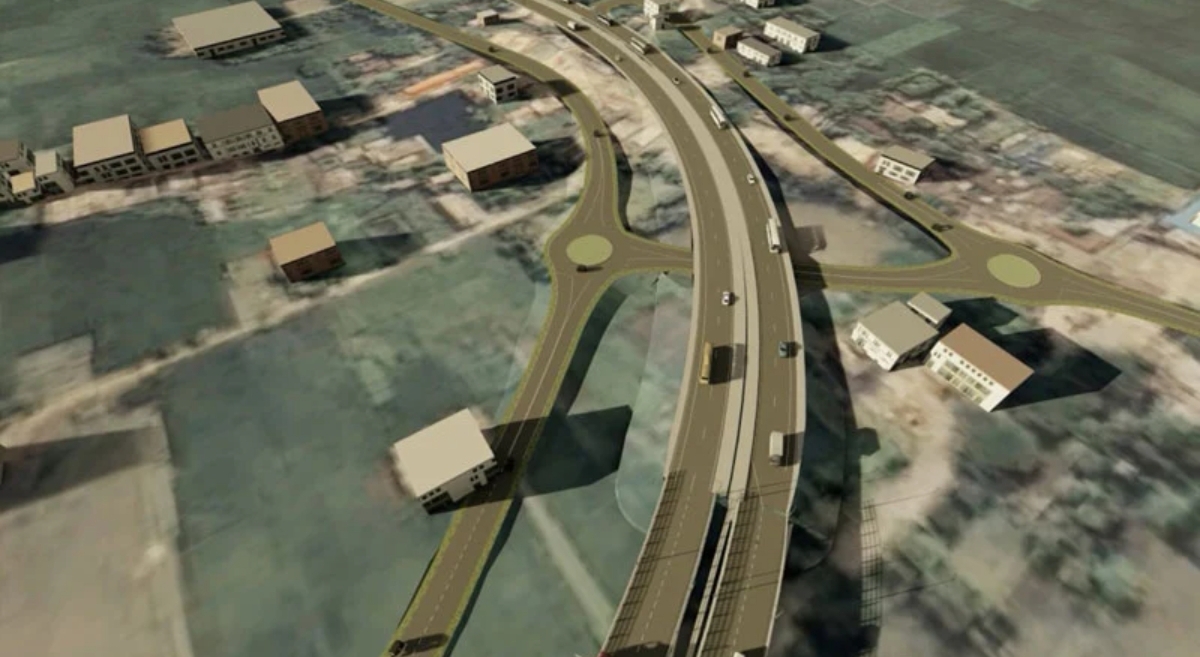
  • Restrictions on equipment and activities: Loudspeakers, microphones, and music systems will be restricted after 9 pm. Firecrackers and other noise-generating devices will require special permission. Installation of noise barriers near flyovers, expressways, and railways will be mandatory.

  • Enforcement and awareness: Local authorities will identify noise zones and install signs. Noise awareness training will be mandatory for obtaining or renewing driving licenses. The Bangladesh Road Transport Authority, in collaboration with the Department of Environment, will design the curriculum.

Certain exemptions are included for religious places, ambulances, fire services, government broadcasts during Ramadan, and other official activities.

Dr. Farhina Ahmed, Secretary of the Ministry, said the 2006 rules were unclear on multiple points. The new draft addresses horns, firecrackers, and other noise sources while increasing penalties. Inter-ministerial consultations have already gathered feedback from 21 ministries, and public comments have been invited. The draft is expected to be finalized by the end of August and sent to the Ministry of Law for approval before publication in the official gazette.

The proposed updates aim to make Dhaka—and other parts of Bangladesh—safer and quieter by setting clear limits, strengthening enforcement, and raising public awareness about the dangers of noise pollution.


Tag :

Please Share This Post in Your Social Media

Dhaka cracks down on noise pollution with tougher regulations

Update Time : 11:00:19 am, Saturday, 16 August 2025

Dhaka’s residents are enduring one of the city’s most persistent and invisible hazards: noise pollution.

From loudspeakers and vehicle horns to construction, factory operations, and generators, the city is inundated with noise from morning until night. Despite the serious health risks, public awareness is low, and enforcement remains weak, making noise pollution a largely ignored problem in Bangladesh.

Although the government has introduced measures, the impact has been limited. For example, the area around Hazrat Shahjalal International Airport has been designated a “Silent Zone,” yet noise levels remain high. Similarly, other designated silent zones in Dhaka—including the Secretariat, Agargaon, and the Parliament area—continue to experience frequent honking and loud activity.

A year-long study by Stamford University’s Center for Atmospheric Pollution Studies (CAPS) from April 2021 to March 2022 measured noise levels at ten locations in Dhaka. The results were alarming: noise exceeded acceptable limits in all areas surveyed—96.7% of the time in silent zones, 91.2% in residential zones, 83.2% in mixed-use areas, 61% in commercial zones, and 18.2% in industrial zones. Overall, 82% of monitored locations consistently recorded noise above 60 decibels, far exceeding the Noise Pollution Control Rules of 2006, which set limits at 45–55 dB for residential areas and 60–70 dB for commercial zones.

To address this, the Ministry of Environment, Forest, and Climate Change is preparing an updated Noise Pollution (Control) Rules, 2025. The draft law proposes stricter penalties and clearer regulations. Key provisions include:

  • Fines and imprisonment: Violations related to noise limits, unauthorized loudspeakers, firecrackers, or construction and factory noise could result in fines up to Tk50,000, one month of imprisonment, or both. Vehicle horn violations may carry fines up to Tk20,000 or one month imprisonment, while importing or marketing horns above legal limits could result in fines of Tk200,000 or up to two years in prison.

  • Permissible decibel levels: Specific limits are defined for different areas—Silent zones: 50 dB (day), 40 dB (night); Residential: 55/45 dB; Mixed-use: 60/50 dB; Commercial: 70/60 dB; Industrial: 75/70 dB. Vehicle horns are also regulated: light vehicles up to 85 dB, medium vehicles 90 dB, heavy vehicles and mechanical boats 100 dB.

  • Restrictions on equipment and activities: Loudspeakers, microphones, and music systems will be restricted after 9 pm. Firecrackers and other noise-generating devices will require special permission. Installation of noise barriers near flyovers, expressways, and railways will be mandatory.

  • Enforcement and awareness: Local authorities will identify noise zones and install signs. Noise awareness training will be mandatory for obtaining or renewing driving licenses. The Bangladesh Road Transport Authority, in collaboration with the Department of Environment, will design the curriculum.

Certain exemptions are included for religious places, ambulances, fire services, government broadcasts during Ramadan, and other official activities.

Dr. Farhina Ahmed, Secretary of the Ministry, said the 2006 rules were unclear on multiple points. The new draft addresses horns, firecrackers, and other noise sources while increasing penalties. Inter-ministerial consultations have already gathered feedback from 21 ministries, and public comments have been invited. The draft is expected to be finalized by the end of August and sent to the Ministry of Law for approval before publication in the official gazette.

The proposed updates aim to make Dhaka—and other parts of Bangladesh—safer and quieter by setting clear limits, strengthening enforcement, and raising public awareness about the dangers of noise pollution.