Bangladeshi universities face ethical decision-making challenges

- Update Time : 11:11:18 am, Saturday, 16 August 2025
- / 504 Time View


Higher Education in Bangladesh: Challenges, Reforms, and the Impact of Student Activism
With Bangladesh’s economic growth, more students across the country have sought higher education. Before 1992, public institutions were solely responsible for providing the necessary infrastructure, classrooms, and resources to accommodate the rising number of students. The introduction of the Private University Act 1992 created a new pathway for students, easing the pressure on public universities. This initiative received support from the business community, academics, philanthropists, and investors. Nearly two decades later, the Private University Act 2010 replaced the original legislation, focusing on good governance, human resource development, and quality assurance. That same year, the National Education Policy promised significant reforms aimed at improving accessibility and educational quality for all citizens.
Gaps Between Policy and Practice
Despite these reforms, implementation has fallen short over the past decade. While Bangladesh has made progress in expanding higher education, graduates often struggle to meet industry expectations, contributing to higher unemployment rates. The national budget for FY 2025-26, though showing increased spending on education, has raised concerns among analysts and academics, who argue that allocated resources remain insufficient for meaningful reforms. According to the Centre for Policy Dialogue (CPD), the budget reflects a lack of focus on education, including cuts to undergraduate, postgraduate, and disability stipends.
Currently, Bangladesh hosts 116 private and 55 public universities, according to the University Grants Commission (UGC). However, some private university campuses lack official approval, while others have been shut down or had their operational permissions revoked.
The Role of Politics in University Life
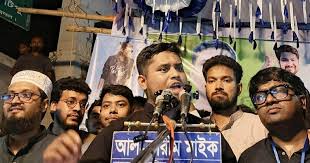
Bangladesh’s history of political instability has heavily influenced campus life. Student participation in political parties has often overshadowed academic pursuits, with incidents of violence and crime reported over the years. Despite this, students at private universities have remained active in socio-economic and political issues, often bearing the brunt of political crises. The 2024 student uprising, sparked by government job quotas and frustration over a constrained job market, saw aggressive responses from law enforcement and political student wings, leaving thousands injured or killed. While the protests highlighted student resilience, ongoing uncertainty in the job market continues to affect graduates.
Education Quality and Workforce Pressure
According to the Bangladesh Education Statistics 2023, there are 32,917 teachers serving 1,069,579 higher education students. The disproportion between faculty and students underscores the pressures on teachers, which in turn affects the quality of education. In 2011, a 15% VAT on private universities’ operating surplus and rented buildings increased financial burdens on students, exacerbating inequality between public and private institutions.
Ethical Awareness and Student Activism
The July 2024 uprising marked a turning point in students’ engagement with ethical issues. Initially focused on quota reforms, the protests evolved into a broader movement against systemic injustice and authoritarianism. The movement encouraged students to confront questions of morality, integrity, and social responsibility, fostering a shift from passive observation to active participation in societal change. Ethical conduct became a central concern, with students promoting transparency, fairness, and accountability both in political activism and academic settings.
Debate on Student Politics
The national discussion on banning student politics in private universities remains unresolved. Critics argue that such a ban would undermine citizens’ rights to debate and express opinions on political, social, and economic matters. Meanwhile, proponents claim that campus politics often prioritize power struggles over intellectual development.
Redefining Education and Leadership
The uprising also reshaped students’ views on leadership and integrity. Exposure to corruption, favoritism, and misinformation motivated students to prioritize ethical behavior and accountability. Student-led initiatives now emphasize academic honesty, transparent administration, and equal treatment, while promoting leadership that values collective well-being over personal gain.
Challenges and Opportunities Ahead
Post-uprising, some students have exhibited behavior that challenges traditional ethical values, highlighting the need for a continued focus on moral education. Efforts should prioritize ethical development, respect for authority, and integrity to guide students toward responsible citizenship.
To enhance education quality, private universities must standardize curricula, diversify facilities, and provide platforms for student representation. Consistent academic standards and mandatory quality assurance mechanisms will help ensure fairness across institutions. Stronger partnerships between academia and industry can provide internships, apprenticeships, and practical training, while workshops, seminars, and alumni engagement can equip students with the soft and technical skills needed in the workforce.
Finally, the UGC should consider creating a dedicated division for private universities to reduce bureaucratic delays and improve decision-making, fostering faster progress in higher education reform.