Eid Milad-un-Nabi 2025: Exploring its origins, spiritual value, and how people observe it

- Update Time : 05:52:10 pm, Friday, 5 September 2025
- / 736 Time View

Eid Milad-un-Nabi 2025: History, Significance, and Global Observance
Historical Background
Eid Milad-un-Nabi celebrates the birth of Prophet Muhammad (PBUH). Initially, the festival was linked to the leadership of the Prophet’s successors, known as the Caliphs. Over time, Sufi traditions introduced new elements, including ritual animal sacrifices, nighttime torch processions, and communal feasts, giving the celebration both spiritual depth and social richness.
Significance and Spiritual Meaning
Eid Milad-un-Nabi is far more than a birthday commemoration. It is a time for Muslims to reflect on the Prophet’s life and teachings, strengthening their faith and commitment to Islam. The occasion highlights key values such as compassion, charity, peace, and social justice. It serves as a reminder of the Prophet’s message of love and humanity, inspiring believers to practice these virtues in their daily lives.
Communities use the day to strengthen social bonds through prayer, kindness, and shared celebrations. Acts of charity, generosity, and empathy are emphasized, reinforcing the core Islamic principles that guide both personal conduct and communal harmony.
Rituals and Celebrations Around the World
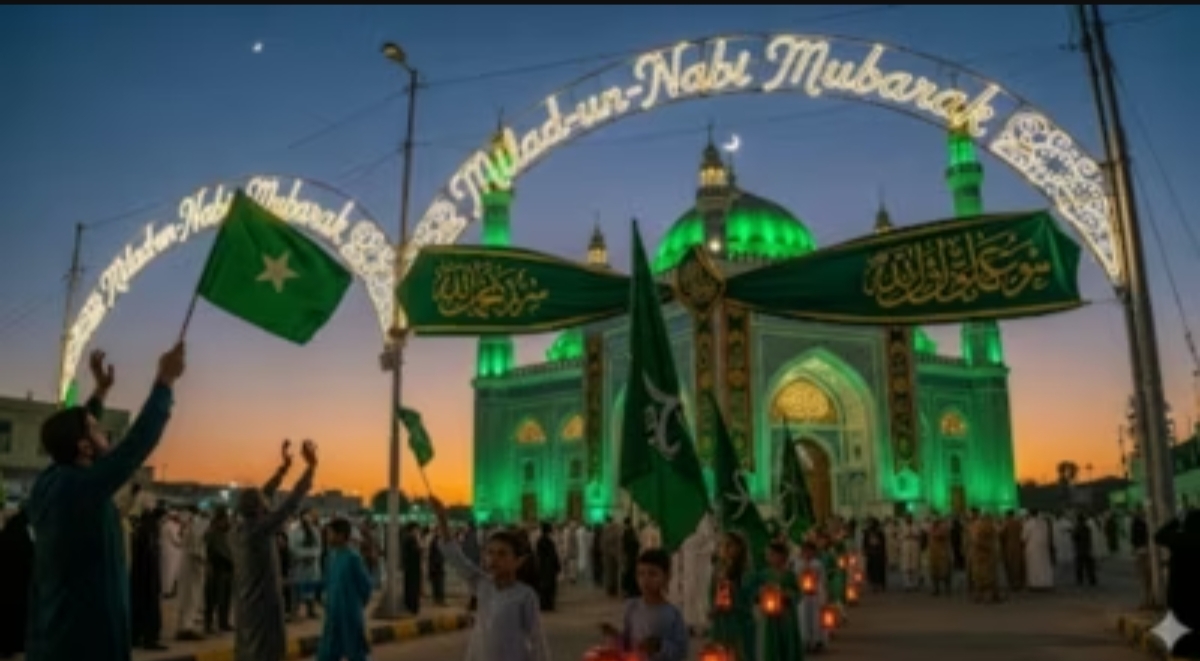
Preparations typically begin a day before the festival. Homes, mosques, and streets are decorated with lights, green flags, and colorful banners, symbolizing faith and peace. Devotees wear new clothing and exchange sweets and greetings with family and neighbors.
Key customs include:
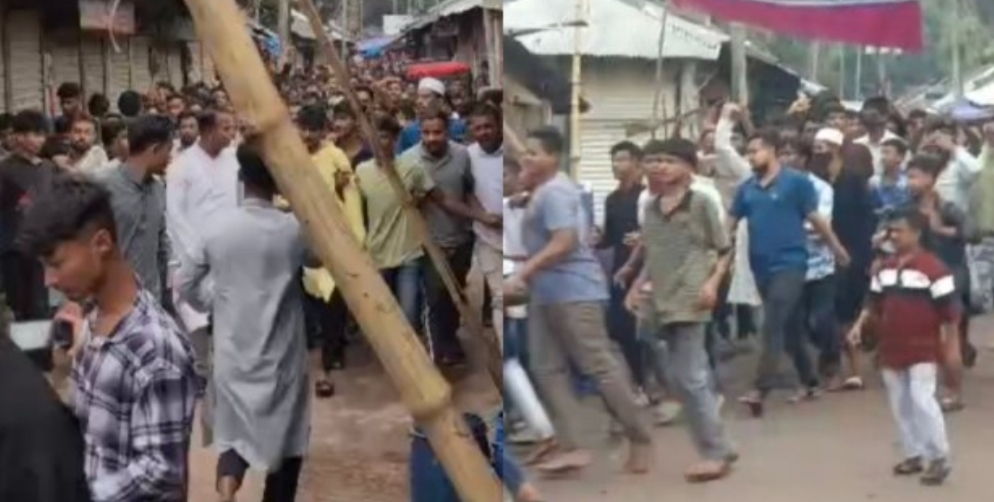
Prayers and Processions: Special congregational prayers are offered at mosques and shrines, often followed by lively processions. Participants sing devotional songs known as Naats and recite verses from the Qur’an, creating an atmosphere of devotion and festivity.
Educational Activities: Religious leaders and elders share stories of the Prophet’s life, teaching children and community members about Islamic history, morals, and ethics.
Charity and Community Service: Giving to the needy is a central aspect of the festival. Food, clothing, and donations are distributed, while community meals and banquets foster a sense of unity and generosity.
Traditional Food and Decorations: Families prepare special dishes like Chobe Ki Puri and Kheer. Homes and mosques are adorned with lights and flowers, creating a welcoming environment. Green wristbands or badges are sometimes worn as symbols of devotion.
The day is also an opportunity for elders to pass down lessons of kindness, humility, and compassion to younger generations, ensuring that the Prophet’s values remain alive in daily life
Global Recognition
In recent years, Eid Milad-un-Nabi has gained wider international acknowledgment. In 2025, several countries formally recognize the day as a public holiday or a significant cultural observance. This growing recognition reflects an appreciation for Islamic heritage and culture worldwide. Governments and international organizations increasingly support and celebrate the festival, highlighting its role not only as a religious event but also as a symbol of peace, unity, and cultural diversity.