A Walk of Loyalty and Remembrance

- Update Time : 02:59:24 pm, Wednesday, 31 December 2025
- / 243 Time View


At 12:40 in the afternoon, I began walking from Karwan Bazar toward Manik Mia Avenue, joined by thousands of others. Everyone shared the same destination—the funeral ground of BNP Chairperson Khaleda Zia. From different corners of the capital, and even from outside Dhaka, people were moving on foot to pay their final respects. Beyond party lines, citizens from all walks of life were drawn by a single purpose: to bid farewell to a former prime minister.
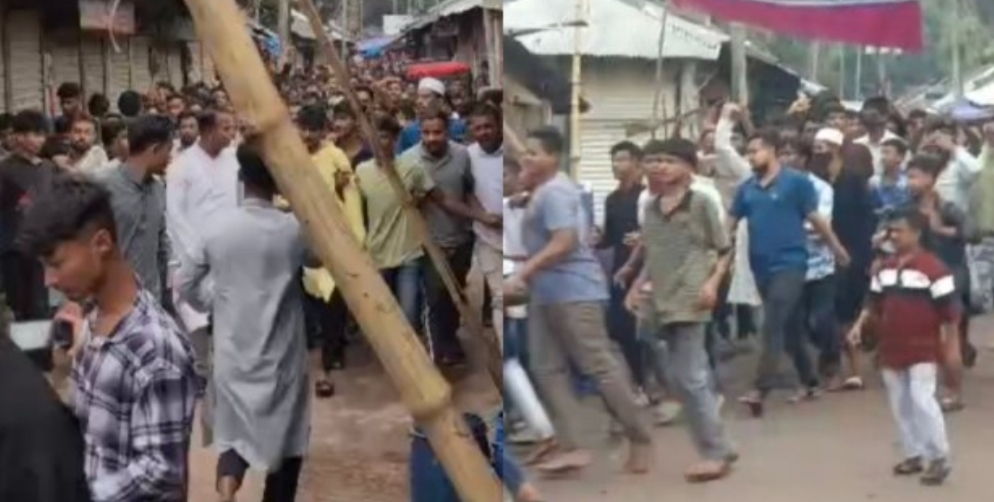
As we moved along Kazi Nazrul Islam Avenue, the crowd kept growing. People lined both sides of the road, stood on footbridges, and gathered on rooftops. Dhaka appeared transformed into a city of mourning. There were no slogans or instructions, yet everyone moved in the same direction, guided by a quiet discipline born of grief.
The Parliament area became overwhelmingly crowded. Not all who came were BNP supporters—many were ordinary professionals. Some walked five or seven kilometers. Amirul Islam, a private employee who had started from Shahbagh, said he was not involved in politics but felt compelled to honor a leader who had endured immense hardship for the country.
As Manik Mia Avenue drew closer, movement slowed to a crawl. The road ahead was packed with people—some in groups, others alone—many wearing caps, some carrying national flags, all focused forward.
Among them was Adnan, an eighth-grade student holding his elder brother’s hand. He wished to stand close during the prayers but realized it might not be possible. Like many others, he struggled to move ahead. Riyazul Islam, a BNP activist from Nilphamari, had arrived in Dhaka after traveling overnight. He too was unable to advance and lost contact with his companions in the dense crowd.
Eventually, people unable to move forward sat down along the roadside—on mats, newspapers, or bare pavement. When the time for Zuhr prayer arrived, many prayed right there on the street.
The crowd spilled beyond Farmgate, even onto the elevated expressway. Ferdous Navid, a North South University student, said he had gone to Gulshan in the morning hoping to see Khaleda Zia one last time before heading toward Manik Mia Avenue, only to be halted by the congestion.
From a distance, Khaleda Zia’s recorded voice echoed through loudspeakers, reminding listeners of her deep attachment to the country. Her journey from a homemaker to a political leader began after the assassination of President Ziaur Rahman in 1981. Joining the BNP in 1982, she rose rapidly through its ranks, later leading major movements against military rule and earning recognition as a resolute leader.
Under her leadership, the BNP came to power in 1991, making her the country’s first woman prime minister—a position she would hold three times.
The funeral ground turned into a sea of people. Despite repeated attempts, many could not get close and were forced to turn back, creating tense moments as opposing flows of people collided. Two elderly retired colleagues from Kathalbagan said they had come simply to witness history and pay their respects, though the overwhelming crowd left them disoriented.
As people slowly moved back toward Karwan Bazar, an unforgettable scene unfolded—thousands standing in orderly rows on the road, waiting silently for the announcement that the funeral prayers would begin.
Many broke down in tears. Khaleda Zia’s political life spanned more than four decades, marked by resilience and leadership. From a private life to the forefront of national politics, she remained a unifying figure for her party through crises.
On the way back, it felt clear that this gathering was more than a partisan event. It was a collective expression of respect and affection from people of every class and profession for a former national leader.