Dhaka 4:30 am, Saturday, 20 June 2026

Toxic Air Threatens Public Health in Dhaka

Reporter Name
  • Update Time : 04:53:11 am, Wednesday, 7 May 2025
  • / 509 Time View

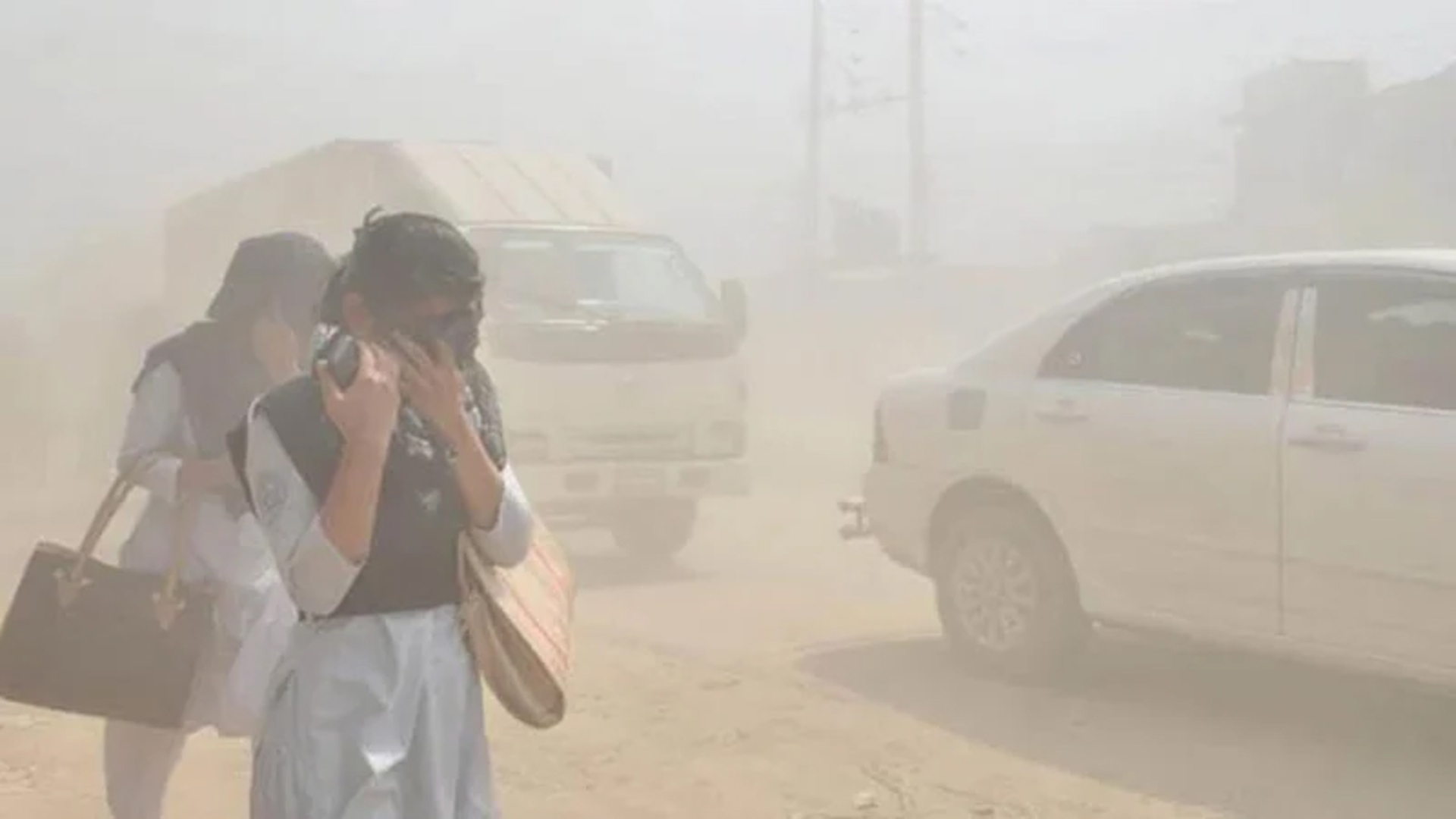
Air pollution continues to rise in cities around the world, with Dhaka — Bangladesh’s capital — consistently ranking among the most polluted. On Wednesday, May 7, Dhaka again topped the list of the world’s most polluted cities, recording an AQI (Air Quality Index) score of 179, a level considered “unhealthy” for sensitive groups, according to data from IQAir.


The city’s worsening air quality is attributed to emissions from factories, vehicle exhaust, construction dust, and overpopulation. These factors have made breathing hazardous, especially in Dhaka, where millions are exposed to risks like respiratory illnesses, cancer, and cardiovascular diseases. A lack of effective planning and coordination has left a large population inhaling toxic air every day.


At the same time, other cities with high AQI scores included Wuhan, China (178), Lahore, Pakistan (173), Delhi, India (164), and Santiago, Chile (162). The AQI scale defines air quality from 0–50 as good, 51–100 as moderate, 101–150 as unhealthy for sensitive individuals, 151–200 as generally unhealthy, 201–300 as very unhealthy, and 301–400 as hazardous.


According to the World Bank, air pollution is responsible for the premature deaths of nearly 173,000 people annually in Bangladesh, with Dhaka being the most affected. Data from the Center for Atmospheric Pollution Studies (CAPS) indicates that January 2025’s pollution level was 318 — a 24.52% increase from the eight-year average for January, highlighting a continuous and alarming trend.


 

Tag :

Please Share This Post in Your Social Media

Toxic Air Threatens Public Health in Dhaka

Update Time : 04:53:11 am, Wednesday, 7 May 2025

Air pollution continues to rise in cities around the world, with Dhaka — Bangladesh’s capital — consistently ranking among the most polluted. On Wednesday, May 7, Dhaka again topped the list of the world’s most polluted cities, recording an AQI (Air Quality Index) score of 179, a level considered “unhealthy” for sensitive groups, according to data from IQAir.


The city’s worsening air quality is attributed to emissions from factories, vehicle exhaust, construction dust, and overpopulation. These factors have made breathing hazardous, especially in Dhaka, where millions are exposed to risks like respiratory illnesses, cancer, and cardiovascular diseases. A lack of effective planning and coordination has left a large population inhaling toxic air every day.


At the same time, other cities with high AQI scores included Wuhan, China (178), Lahore, Pakistan (173), Delhi, India (164), and Santiago, Chile (162). The AQI scale defines air quality from 0–50 as good, 51–100 as moderate, 101–150 as unhealthy for sensitive individuals, 151–200 as generally unhealthy, 201–300 as very unhealthy, and 301–400 as hazardous.


According to the World Bank, air pollution is responsible for the premature deaths of nearly 173,000 people annually in Bangladesh, with Dhaka being the most affected. Data from the Center for Atmospheric Pollution Studies (CAPS) indicates that January 2025’s pollution level was 318 — a 24.52% increase from the eight-year average for January, highlighting a continuous and alarming trend.