Dhaka 1:16 am, Sunday, 19 April 2026

India strengthens ties with Taliban, eyes strategic leverage in Afghanistan

Reporter Name
  • Update Time : 10:30:32 am, Wednesday, 29 January 2025
  • / 505 Time View

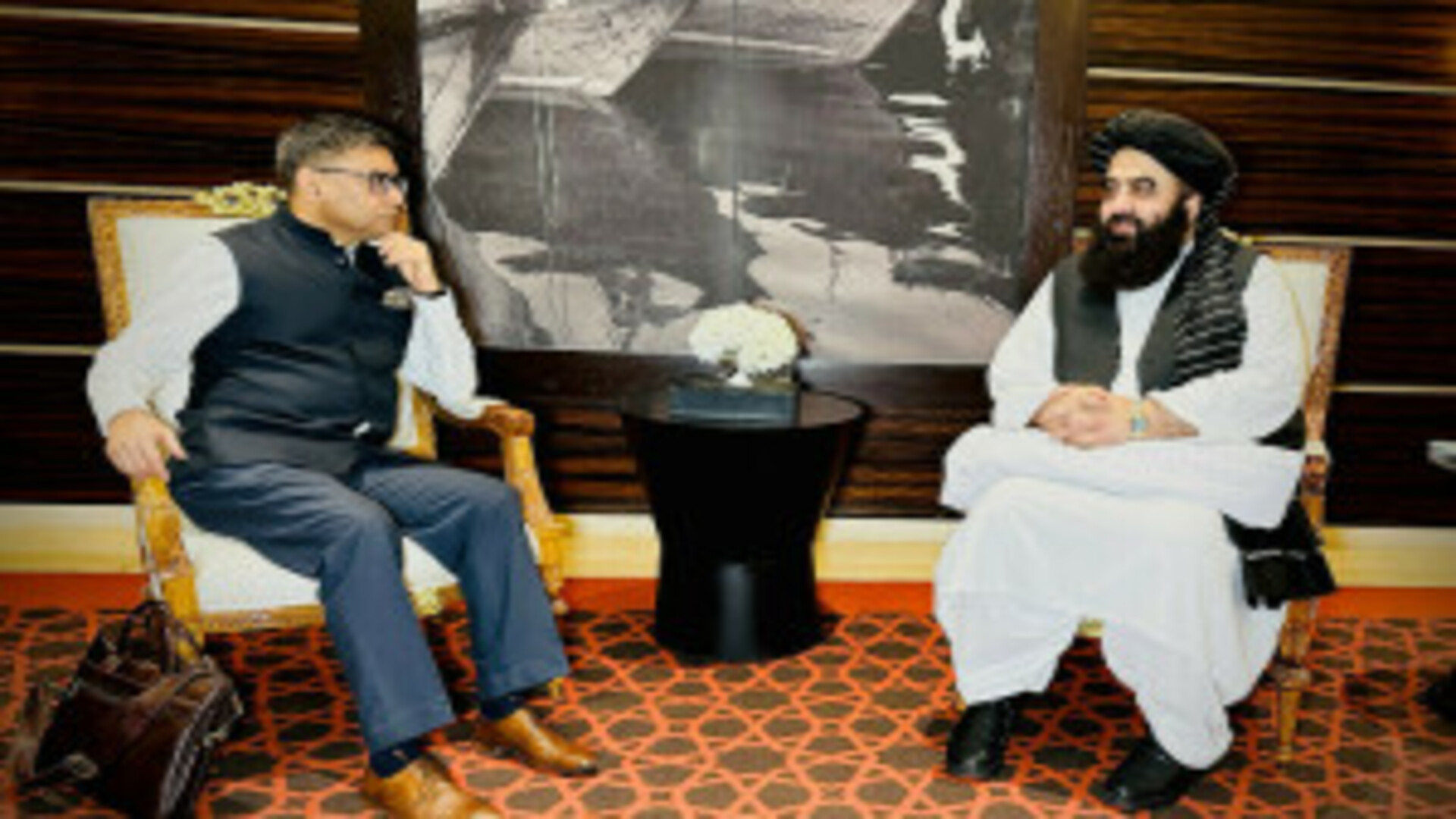
India has recently taken steps to strengthen its engagement with the Taliban government, marking a significant shift in its regional approach. On January 8, Indian Foreign Secretary Vikram Misri met Afghan interim Foreign Minister Amir Khan Muttaqi in Dubai, where both sides agreed to maintain regular contact. The Taliban assured India that Afghanistan poses no security threats and expressed interest in strengthening political and economic ties, including facilitating visas for businesspeople, patients, and students. India, in turn, expressed its willingness to expand trade and economic cooperation, particularly through Iran’s Chabahar port.


This development highlights how realpolitik shapes diplomacy, as India, once a vocal critic of the Taliban, now engages pragmatically with the regime. The meeting comes at a time when tensions between Pakistan and the Taliban have risen, providing India an opportunity to reassert its influence in Afghanistan. While India seeks to integrate itself into regional politics, its close ties with the US and its historical use of Afghan proxies against Pakistan may make its intentions suspect in the region. The Taliban, meanwhile, must balance its growing ties with India without jeopardizing its relations with Pakistan, China, Iran, and Russia, which remain its key economic lifelines.


India has historically aligned its Afghan policy with its rivalry with Pakistan, shifting allegiances based on changing political landscapes—from supporting Soviet-backed regimes to backing the Northern Alliance against the Taliban. With its renewed engagement, India aims to maintain strategic leverage in Afghanistan while countering Pakistan’s influence. However, the Taliban’s controversial governance, particularly its human rights record, poses a challenge to India’s diplomatic maneuvering, as any perceived legitimization of the Taliban could invite domestic and international criticism.


Despite these challenges, both India and the Taliban recognize the benefits of cooperation. India sees Afghanistan as a strategic avenue to expand its regional presence, while the Taliban seeks economic opportunities and diplomatic recognition. However, the Taliban’s pragmatism will be tested in ensuring that short-term gains with India do not compromise its long-term regional alliances, particularly with Pakistan. Similarly, India must navigate its engagement carefully, balancing its economic interests with broader geopolitical considerations. For Pakistan, India’s moves in Afghanistan will likely shape its future policies towards the Taliban.

 

Tag :

Please Share This Post in Your Social Media

India strengthens ties with Taliban, eyes strategic leverage in Afghanistan

Update Time : 10:30:32 am, Wednesday, 29 January 2025

India has recently taken steps to strengthen its engagement with the Taliban government, marking a significant shift in its regional approach. On January 8, Indian Foreign Secretary Vikram Misri met Afghan interim Foreign Minister Amir Khan Muttaqi in Dubai, where both sides agreed to maintain regular contact. The Taliban assured India that Afghanistan poses no security threats and expressed interest in strengthening political and economic ties, including facilitating visas for businesspeople, patients, and students. India, in turn, expressed its willingness to expand trade and economic cooperation, particularly through Iran’s Chabahar port.


This development highlights how realpolitik shapes diplomacy, as India, once a vocal critic of the Taliban, now engages pragmatically with the regime. The meeting comes at a time when tensions between Pakistan and the Taliban have risen, providing India an opportunity to reassert its influence in Afghanistan. While India seeks to integrate itself into regional politics, its close ties with the US and its historical use of Afghan proxies against Pakistan may make its intentions suspect in the region. The Taliban, meanwhile, must balance its growing ties with India without jeopardizing its relations with Pakistan, China, Iran, and Russia, which remain its key economic lifelines.


India has historically aligned its Afghan policy with its rivalry with Pakistan, shifting allegiances based on changing political landscapes—from supporting Soviet-backed regimes to backing the Northern Alliance against the Taliban. With its renewed engagement, India aims to maintain strategic leverage in Afghanistan while countering Pakistan’s influence. However, the Taliban’s controversial governance, particularly its human rights record, poses a challenge to India’s diplomatic maneuvering, as any perceived legitimization of the Taliban could invite domestic and international criticism.


Despite these challenges, both India and the Taliban recognize the benefits of cooperation. India sees Afghanistan as a strategic avenue to expand its regional presence, while the Taliban seeks economic opportunities and diplomatic recognition. However, the Taliban’s pragmatism will be tested in ensuring that short-term gains with India do not compromise its long-term regional alliances, particularly with Pakistan. Similarly, India must navigate its engagement carefully, balancing its economic interests with broader geopolitical considerations. For Pakistan, India’s moves in Afghanistan will likely shape its future policies towards the Taliban.