Why Protests Are Spreading Anew Across Iran

- Update Time : 11:59:01 am, Thursday, 1 January 2026
- / 312 Time View

Why Protests Are Surging Again Across Iran
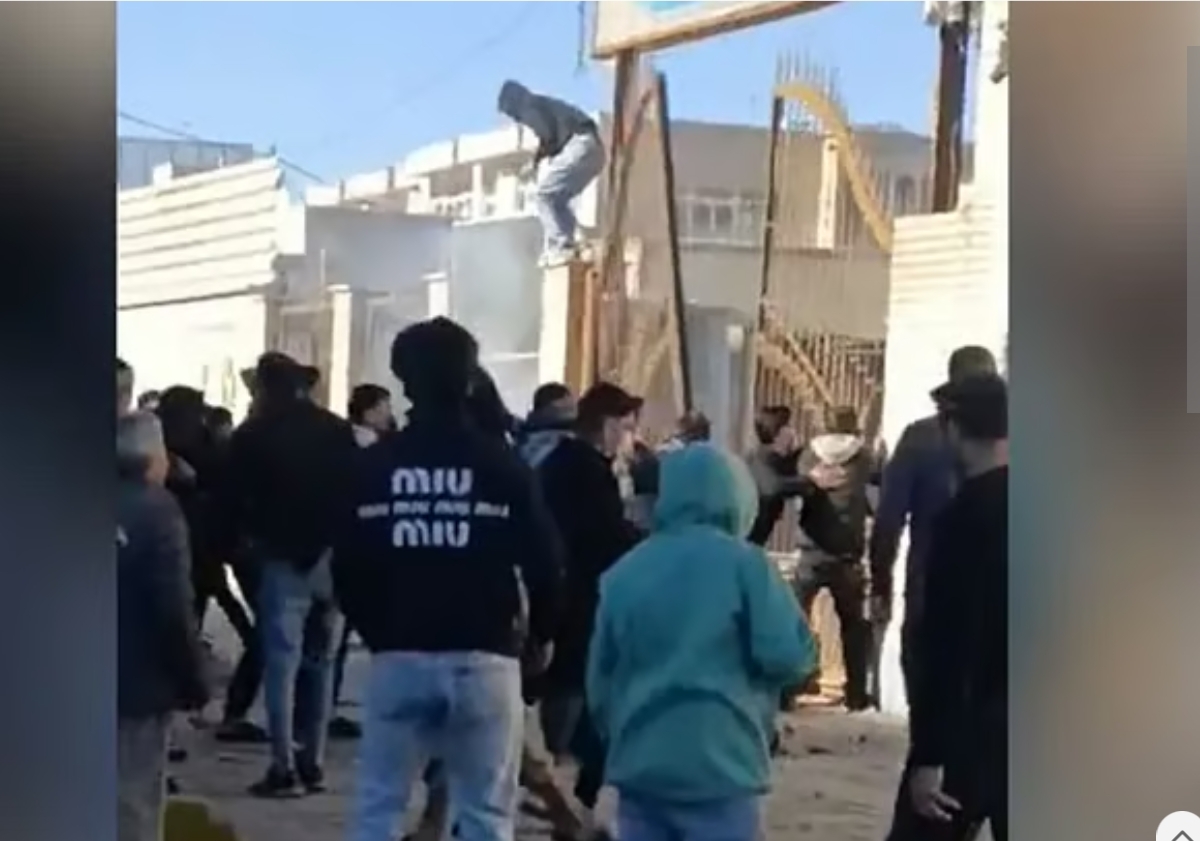
Protests have erupted once more across Iran as citizens express frustration over the country’s worsening economic crisis and the rapid devaluation of its currency. On December 31, 2025, demonstrators in the southern city of Fasa attempted to force their way into a government building.
State media reported that a coordinated group of protesters tried to enter a local government office in Fars province. Television footage showed people attempting to break down the gates of the building. Security forces intervened, and a 28-year-old woman leading the group was arrested. Tasnim News Agency, citing local officials, said three security personnel were injured and four protesters were detained.
The Iranian economy has been under intense pressure. Record declines in the value of the rial, soaring inflation, and rising living costs have intensified public anger. On the previous Sunday, shopkeepers in Tehran took to the streets in protest, and by Wednesday, demonstrations had entered their fourth consecutive day. The unrest has also spread to other cities, with students joining in Tehran on Tuesday. Reports indicate that universities in Isfahan, Yazd, and Zanjan have also witnessed protests.
Government Response and Warnings
President Masud Pejeshkian, speaking at a business forum in Tehran, suggested that foreign interference could be fueling the unrest. “Our enemies outside are trying to exert pressure, and unfortunately, some actions within the country are also weakening our stability,” he said.
The government has arranged dialogue channels to hear protesters’ concerns. At the same time, Iran’s prosecutor general warned that anyone attempting to exploit the economic crisis to destabilize the country would face strict measures. Mohammad Mohahedi-Azad emphasized that peaceful protests are legal, but attempts to undermine security will be met with force.
Economic Strain
Inflation in Iran has reached nearly 50%, while the rapid depreciation of the rial has increased import costs and added to the financial burden on citizens. In recent weeks, the rial has plummeted against the US dollar due to renewed sanctions and diplomatic pressure from the United States and its allies. When protests began on Sunday, one US dollar was equivalent to approximately 1,420,000 rials, compared to around 820,000 rials a year earlier.
Decades of Western sanctions have severely damaged Iran’s economy. Renewed UN sanctions last September, linked to the country’s nuclear program, have further intensified the financial crisis.
Rising Tensions and Eroding Public Trust
Tohid Asadi, Al Jazeera’s correspondent in Tehran, notes that the government’s response has been mixed. While President Pejeshkian has expressed sympathy for citizens facing economic hardship and recently replaced the central bank chief, there are concerns that protesters could further escalate tensions.
Trita Parsi, executive vice president of the Quincy Institute for Responsible Statecraft, said that the Iranian public has lost faith in the government’s ability to resolve the ongoing economic crisis. “The president himself publicly admitted nearly a week ago that he can do little to fix these problems,” Parsi told Al Jazeera.
Compounding Challenges
Iran faces multiple crises beyond the economy. Severe fuel shortages persist, and many dams supplying water to Tehran and other major cities are running dangerously low. State media have largely attributed the unrest to the uncontrolled decline of the rial, downplaying long-standing dissatisfaction with the political system since the 1979 Islamic Revolution.
The country has also experienced large-scale protests in the past, including those in 2022 and 2023 following the death of 22-year-old Mahsa Amini while in police custody. Those protests resulted in hundreds of deaths and over 20,000 arrests.