Dhaka 2:39 am, Sunday, 19 April 2026

US Tariff Reduction ‘Manageable’, Bangladesh Remains Competitive: BGMEA Chief

Niloy Mridha
  • Update Time : 06:48:55 pm, Friday, 1 August 2025
  • / 386 Time View

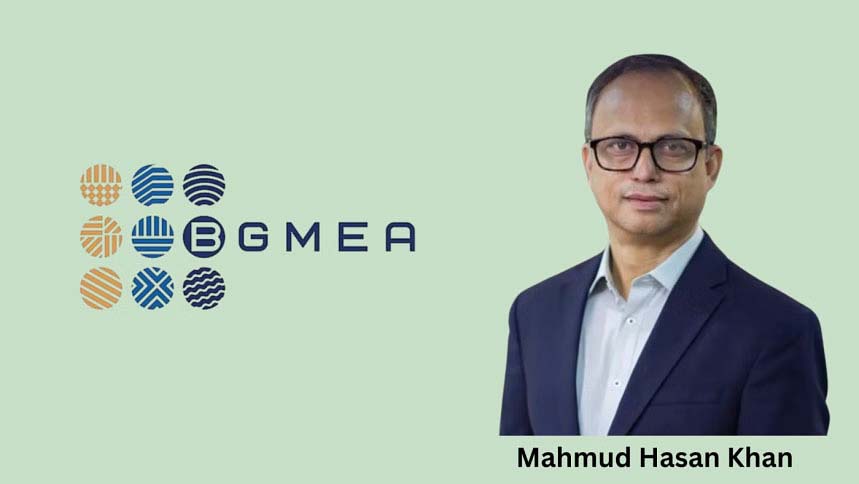
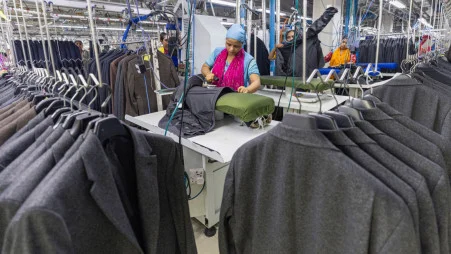
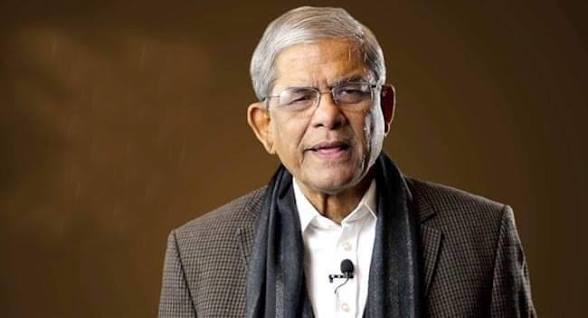
The President of the Bangladesh Garment Manufacturers and Exporters Association (BGMEA), Mahmud Hasan Khan, has responded to the recent announcement by the US government to revise its reciprocal tariff on Bangladeshi goods, lowering it from an initially proposed 35% to 20%.

His full remarks are summarized below:

“For the past three months, our industry has been dealing with considerable uncertainty over the new US tariff policy. This kind of unpredictability makes it challenging to operate and plan for the future, not only for us but also for American buyers, who have been waiting to see how the situation unfolds. The decision to reduce the tariff from 35% to 20% comes as a significant relief.

We’ve consistently said that higher tariffs compared to competing nations would hurt our competitiveness. Fortunately, with the adjusted rate, we now face just a 1% higher tariff than Pakistan, but enjoy a 5% advantage over India and a 10% advantage over China. This keeps us in a relatively favorable position.

That said, this increase from previous rates may still cause short-term disruptions. US buyers will now face higher import costs, potentially limiting their ability to place as many orders unless they secure additional funding. Ultimately, these increased costs may be passed on to consumers, leading to reduced demand.

Earlier, when a 10% minimum tariff was implemented, some buyers asked our exporters to absorb a portion of the added cost. I want to make it clear to our members: this additional tariff is the responsibility of the importers and buying companies. It should not fall on our manufacturers. In the end, the added cost will likely be borne by US consumers.

With China’s current reciprocal tariff at 30%, and expectations that it will remain higher than ours even after the final decision, we anticipate that some orders will continue shifting away from China. This trend could present growth opportunities for Bangladesh, provided we ensure reliable energy, a more efficient Chittagong port, and overall political stability.

We’ve seen only a summary of the tariff agreement so far. We trust that our trade officials have finalized the deal while protecting national and industry interests.

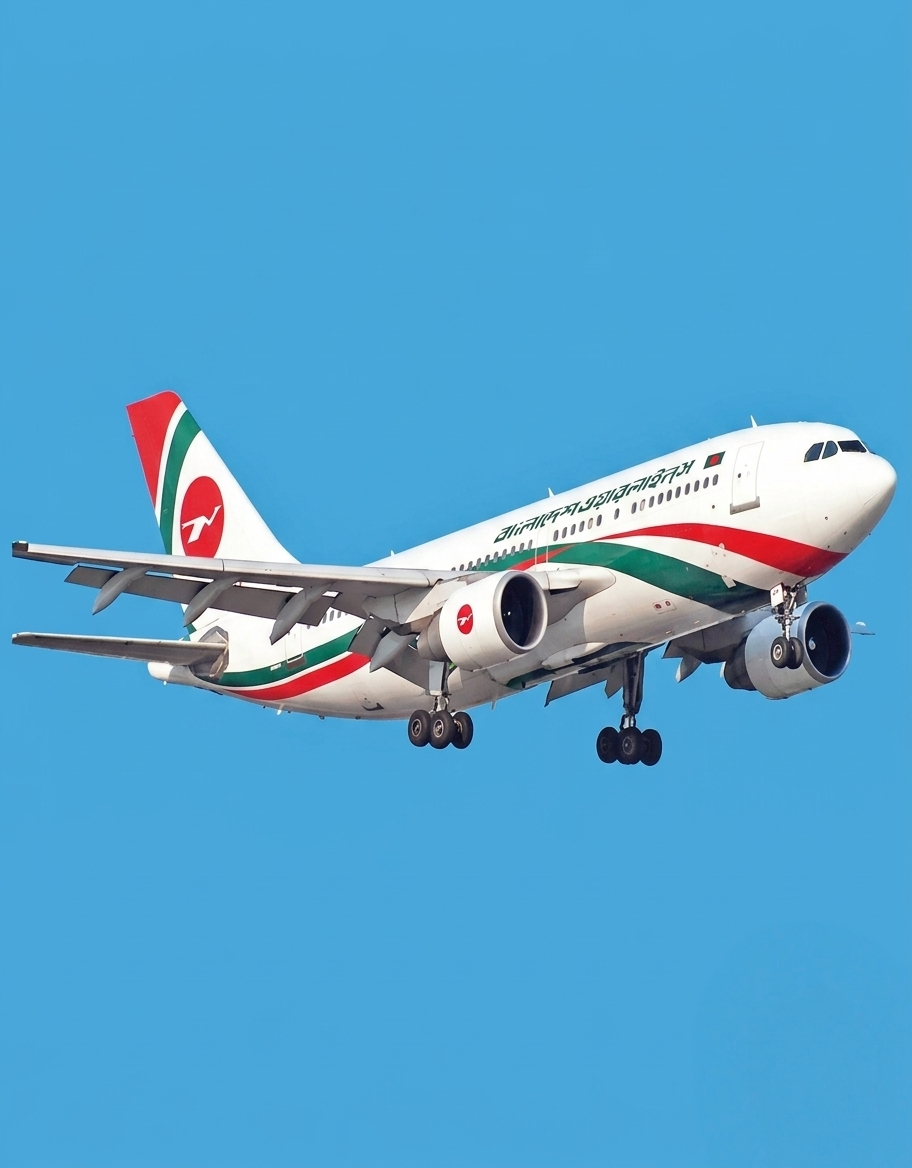
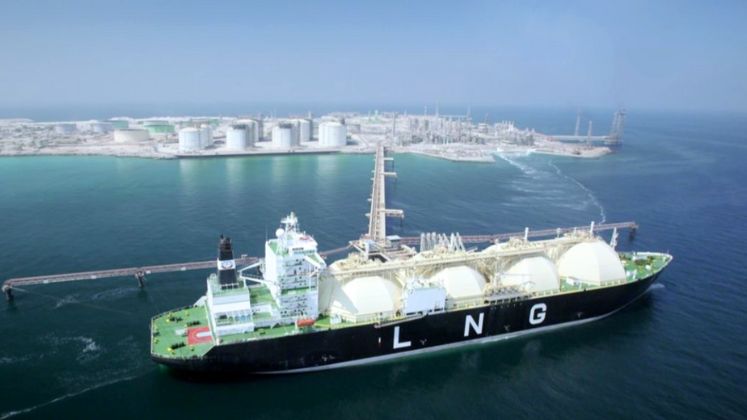
Lastly, I want to stress that Bangladesh must fulfill the promises made during these negotiations. These involve both short-term purchases—such as wheat, cotton, and LNG—and long-term commitments, including buying aircraft. Failure to follow through could put us at risk again.”

Please Share This Post in Your Social Media

US Tariff Reduction ‘Manageable’, Bangladesh Remains Competitive: BGMEA Chief

Update Time : 06:48:55 pm, Friday, 1 August 2025

The President of the Bangladesh Garment Manufacturers and Exporters Association (BGMEA), Mahmud Hasan Khan, has responded to the recent announcement by the US government to revise its reciprocal tariff on Bangladeshi goods, lowering it from an initially proposed 35% to 20%.

His full remarks are summarized below:

“For the past three months, our industry has been dealing with considerable uncertainty over the new US tariff policy. This kind of unpredictability makes it challenging to operate and plan for the future, not only for us but also for American buyers, who have been waiting to see how the situation unfolds. The decision to reduce the tariff from 35% to 20% comes as a significant relief.

We’ve consistently said that higher tariffs compared to competing nations would hurt our competitiveness. Fortunately, with the adjusted rate, we now face just a 1% higher tariff than Pakistan, but enjoy a 5% advantage over India and a 10% advantage over China. This keeps us in a relatively favorable position.

That said, this increase from previous rates may still cause short-term disruptions. US buyers will now face higher import costs, potentially limiting their ability to place as many orders unless they secure additional funding. Ultimately, these increased costs may be passed on to consumers, leading to reduced demand.

Earlier, when a 10% minimum tariff was implemented, some buyers asked our exporters to absorb a portion of the added cost. I want to make it clear to our members: this additional tariff is the responsibility of the importers and buying companies. It should not fall on our manufacturers. In the end, the added cost will likely be borne by US consumers.

With China’s current reciprocal tariff at 30%, and expectations that it will remain higher than ours even after the final decision, we anticipate that some orders will continue shifting away from China. This trend could present growth opportunities for Bangladesh, provided we ensure reliable energy, a more efficient Chittagong port, and overall political stability.

We’ve seen only a summary of the tariff agreement so far. We trust that our trade officials have finalized the deal while protecting national and industry interests.

Lastly, I want to stress that Bangladesh must fulfill the promises made during these negotiations. These involve both short-term purchases—such as wheat, cotton, and LNG—and long-term commitments, including buying aircraft. Failure to follow through could put us at risk again.”