US Tariffs on Indian Goods Open New Export Opportunities for Bangladesh

- Update Time : 10:17:04 am, Friday, 8 August 2025
- / 393 Time View
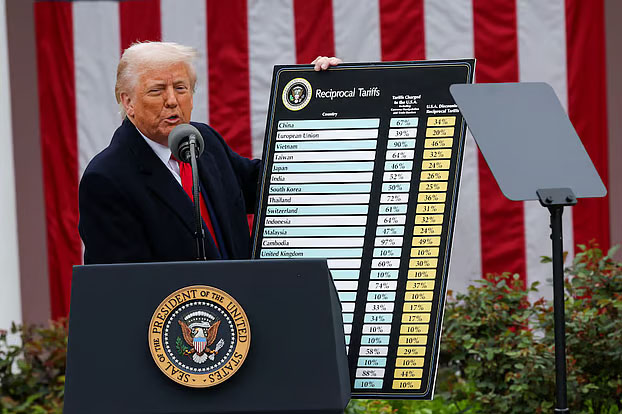

Only a fortnight ago, Indian exporters were optimistic about gaining a larger share of the US ready-made garment market by taking advantage of relatively lower reciprocal tariffs. They expected that Bangladesh, Cambodia, and Indonesia would face higher rates, giving India a competitive edge.
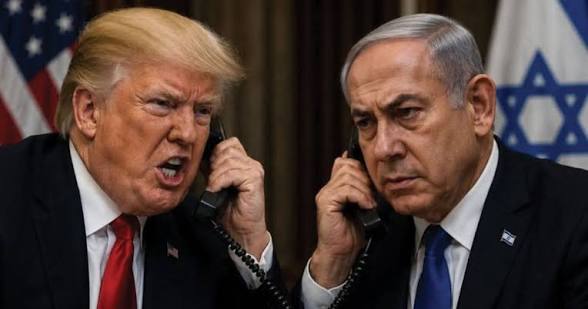
That outlook changed dramatically on July 31. While the US imposed reciprocal tariffs of 19 percent on Cambodian and Indonesian goods and 20 percent on Bangladeshi products, it also announced a 25 percent duty on Indian goods—part of a penalty for India’s purchase of Russian crude oil.
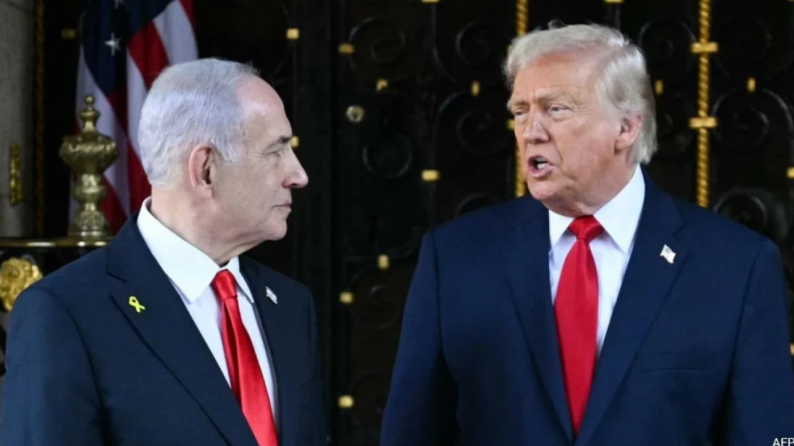
The move, announced by President Trump last Wednesday, will effectively double the reciprocal tariff on Indian products to 50 percent once the additional duty takes effect in 21 days. Although the reciprocal tariff is already in place, the extra 25 percent duty will further erode India’s price competitiveness in the US market.
Sectors Likely to Benefit
Bangladesh now stands to gain from this shift, particularly in sectors where it directly competes with India—ready-made garments, home textiles, processed agricultural goods, leather items, frozen fish and shrimp, and furniture.
According to India’s Ministry of Commerce, the country exported goods worth USD 80.77 billion to the US in 2024, including USD 12.58 billion in electrical machinery, USD 9.30 billion in jewellery, USD 8.87 billion in pharmaceuticals, USD 5.18 billion in garments, USD 3.70 billion in processed agricultural products, USD 1.97 billion in frozen seafood, USD 750 million in leather goods, and USD 1.15 billion in furniture.
Industry insiders say that once the new duties take effect, US importers will face average tariffs of over 60 percent on Indian garments—up from the current 13.9 percent on knitwear and 10.3 percent on woven apparel. Bangladesh’s garment exports to the US, meanwhile, will face a 36.5 percent rate under the new reciprocal tariff rules.
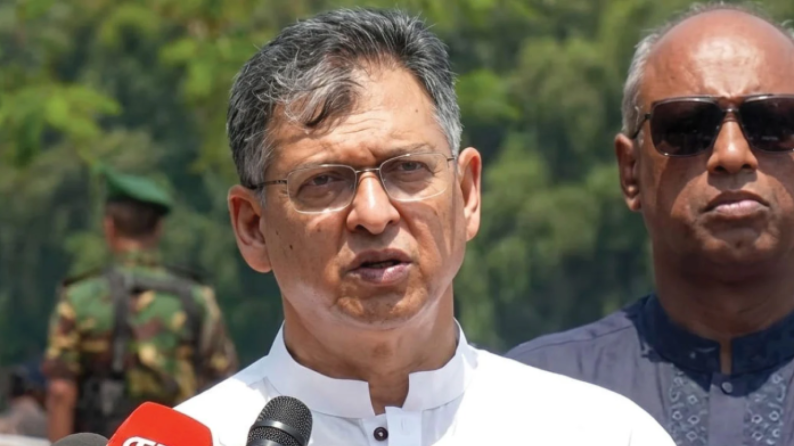
Fazlee Shamim Ehsan, Executive President of the Bangladesh Knitwear Manufacturers and Exporters Association (BKMEA), noted, “If these high tariffs stay, US buyers will move some orders away from India, and Bangladesh is likely to benefit. This shift could begin within six months.”
Home Textiles, Furniture, and Other Goods
The home textiles sector is also eyeing opportunities. In the last fiscal year, India exported USD 2.93 billion worth of home textiles to the US, compared to Bangladesh’s USD 150 million. Shahadat Hossain, former chairman of the Bangladesh Terry Towel and Linen Manufacturers and Exporters Association, said that high-value orders in this category are likely to divert to Bangladesh, where several manufacturers have the capacity to meet demand.
Furniture is another area where Bangladeshi exporters could make gains. India’s US furniture exports were worth USD 1.15 billion last year, while Bangladesh’s were USD 19.7 million. Hatil Chairman Selim H Rahman said a few Bangladeshi companies could take on more US orders, but stressed the need for duty-free access to raw materials to stay competitive.
Cautionary Notes
Khandaker Golam Moazzem, Research Director at the Centre for Policy Dialogue (CPD), warned that Bangladesh is not entirely free from risk. Its trade links with Russia could also attract penalties, and products made using imported raw materials from certain countries could face tariffs of up to 40 percent.
Still, industry experts agree that the sudden tariff shift on Indian goods presents a rare opening for Bangladesh to strengthen its position in the US market—provided exporters act quickly and the government supports them with measures to enhance competitiveness.