Dhaka 6:50 am, Friday, 19 June 2026

What Would NATO Do if Trump Launched a Military Operation to Take Control of Greenland?

Staff Correspondent
  • Update Time : 09:27:14 am, Thursday, 8 January 2026
  • / 282 Time View

The White House has revealed that U.S. President Donald Trump and his senior advisers have been exploring various options for taking control of Greenland, arguing that the move is critical for national security.

However, leaders of the world’s largest island and Denmark, a NATO member, have rejected this claim. Greenland is a semi-autonomous territory under Danish sovereignty.

Where Greenland is and why it matters to Trump

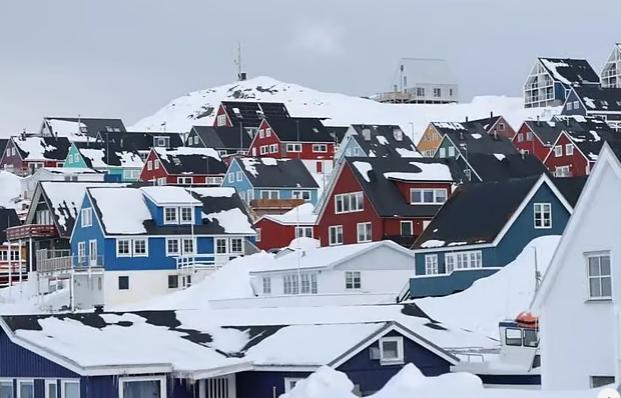
Greenland is the world’s largest island and is located in the Arctic region. It is sparsely populated, with around 56,000 residents, mostly indigenous Inuit people. Roughly 80% of the island is covered in ice, so most inhabitants live along the southwestern coast near the capital, Nuuk.

The island’s economy largely depends on fishing, supplemented by substantial subsidies from Denmark. In recent years, interest in Greenland’s natural resources has grown, as it contains rare minerals like uranium and iron. Global warming is melting large ice sheets, making these resources more accessible.

Trump has shown interest in valuable mineral reserves worldwide, including in Ukraine, but he claims Greenland is strategically important for national security, not minerals. He has expressed concern over the presence of Russian and Chinese vessels near the island. Many Republican lawmakers share this security concern.

Trump’s statements on Greenland

After a controversial military operation in Venezuela, Trump renewed calls for U.S. control over Greenland. In response, Greenland’s Prime Minister, Jens Frederik Nielsen, called the idea “imaginative” and urged Trump to stop.

Despite the pushback, Trump and his team have maintained their interest, with Trump saying he is “very serious” about the plans. Senior adviser Stephen Miller stated that no one would challenge the U.S. regarding Greenland’s future.

The U.S. has not ruled out military involvement. In a congressional hearing, Defense Secretary Pete Hegseth acknowledged the Pentagon has “contingency plans” for the island.

Trump’s administration even considered sending a special envoy. In late 2025, Jeffrey Landry was appointed to handle Greenland affairs, sparking controversy when he publicly suggested making Greenland part of the U.S.

Denmark and NATO’s response

Trump’s proposal stunned Denmark, traditionally a close U.S. ally. Danish Prime Minister Mette Frederiksen warned that any attempt to seize Greenland could threaten NATO.

UK Prime Minister Sir Keir Starmer, along with leaders of France, Germany, Italy, Poland, Spain, and Denmark, issued a joint statement affirming that Greenland belongs to its people, and only Denmark and Greenland can decide its affairs.

Why Denmark controls Greenland

Although geographically part of North America, Greenland has been under Danish control for nearly 300 years. In the mid-20th century, Greenland was a Danish colony and remained isolated and poor. During World War II, the U.S. established military and radio stations there to prevent Nazi Germany from taking control. After the war, the U.S. maintained a military presence, operating the Pituffik Space Base (formerly Thule Air Base).

A 1951 defense agreement between Denmark and the U.S. gave the latter significant roles in Greenland’s defense, including maintaining military bases. In 1953, Greenland formally became part of Denmark, and residents received Danish citizenship. In 1979, Greenland gained self-rule for internal matters, though foreign affairs and defense remain under Denmark. Today, both Denmark and the U.S. maintain military installations on the island.

Greenlanders’ perspective

In early 2026, responding to Trump’s threats, Greenland’s Prime Minister Jens Frederik Nielsen stated: “No more pressure, no more hints. Do not imagine any takeover.” He emphasized that any dialogue must follow proper channels and respect international law.

During a 2025 visit by BBC reporter Fargal Kinne, locals repeatedly said, “Greenland is for Greenlanders. Trump can visit, and that’s it.” In that year’s general elections, Greenland’s future was a major issue. Polls indicate that while many Greenlanders want independence from Denmark, the idea of joining the U.S. is overwhelmingly rejected.

When Trump first proposed buying Greenland in 2019, locals strongly opposed the plan. Tour operator Dynes Mikkelsen described it as “extremely dangerous,” and Greenland’s first female Prime Minister, Aleqa Hammond, said Trump treated the island as if it were a commodity to be bought.

Tag :

Please Share This Post in Your Social Media

What Would NATO Do if Trump Launched a Military Operation to Take Control of Greenland?

Update Time : 09:27:14 am, Thursday, 8 January 2026

The White House has revealed that U.S. President Donald Trump and his senior advisers have been exploring various options for taking control of Greenland, arguing that the move is critical for national security.

However, leaders of the world’s largest island and Denmark, a NATO member, have rejected this claim. Greenland is a semi-autonomous territory under Danish sovereignty.

Where Greenland is and why it matters to Trump

Greenland is the world’s largest island and is located in the Arctic region. It is sparsely populated, with around 56,000 residents, mostly indigenous Inuit people. Roughly 80% of the island is covered in ice, so most inhabitants live along the southwestern coast near the capital, Nuuk.

The island’s economy largely depends on fishing, supplemented by substantial subsidies from Denmark. In recent years, interest in Greenland’s natural resources has grown, as it contains rare minerals like uranium and iron. Global warming is melting large ice sheets, making these resources more accessible.

Trump has shown interest in valuable mineral reserves worldwide, including in Ukraine, but he claims Greenland is strategically important for national security, not minerals. He has expressed concern over the presence of Russian and Chinese vessels near the island. Many Republican lawmakers share this security concern.

Trump’s statements on Greenland

After a controversial military operation in Venezuela, Trump renewed calls for U.S. control over Greenland. In response, Greenland’s Prime Minister, Jens Frederik Nielsen, called the idea “imaginative” and urged Trump to stop.

Despite the pushback, Trump and his team have maintained their interest, with Trump saying he is “very serious” about the plans. Senior adviser Stephen Miller stated that no one would challenge the U.S. regarding Greenland’s future.

The U.S. has not ruled out military involvement. In a congressional hearing, Defense Secretary Pete Hegseth acknowledged the Pentagon has “contingency plans” for the island.

Trump’s administration even considered sending a special envoy. In late 2025, Jeffrey Landry was appointed to handle Greenland affairs, sparking controversy when he publicly suggested making Greenland part of the U.S.

Denmark and NATO’s response

Trump’s proposal stunned Denmark, traditionally a close U.S. ally. Danish Prime Minister Mette Frederiksen warned that any attempt to seize Greenland could threaten NATO.

UK Prime Minister Sir Keir Starmer, along with leaders of France, Germany, Italy, Poland, Spain, and Denmark, issued a joint statement affirming that Greenland belongs to its people, and only Denmark and Greenland can decide its affairs.

Why Denmark controls Greenland

Although geographically part of North America, Greenland has been under Danish control for nearly 300 years. In the mid-20th century, Greenland was a Danish colony and remained isolated and poor. During World War II, the U.S. established military and radio stations there to prevent Nazi Germany from taking control. After the war, the U.S. maintained a military presence, operating the Pituffik Space Base (formerly Thule Air Base).

A 1951 defense agreement between Denmark and the U.S. gave the latter significant roles in Greenland’s defense, including maintaining military bases. In 1953, Greenland formally became part of Denmark, and residents received Danish citizenship. In 1979, Greenland gained self-rule for internal matters, though foreign affairs and defense remain under Denmark. Today, both Denmark and the U.S. maintain military installations on the island.

Greenlanders’ perspective

In early 2026, responding to Trump’s threats, Greenland’s Prime Minister Jens Frederik Nielsen stated: “No more pressure, no more hints. Do not imagine any takeover.” He emphasized that any dialogue must follow proper channels and respect international law.

During a 2025 visit by BBC reporter Fargal Kinne, locals repeatedly said, “Greenland is for Greenlanders. Trump can visit, and that’s it.” In that year’s general elections, Greenland’s future was a major issue. Polls indicate that while many Greenlanders want independence from Denmark, the idea of joining the U.S. is overwhelmingly rejected.

When Trump first proposed buying Greenland in 2019, locals strongly opposed the plan. Tour operator Dynes Mikkelsen described it as “extremely dangerous,” and Greenland’s first female Prime Minister, Aleqa Hammond, said Trump treated the island as if it were a commodity to be bought.