Dhaka 1:05 pm, Wednesday, 10 June 2026

Stay Order on Approval of Judges’ Disciplinary Rules

Reporter Name
  • Update Time : 07:42:59 am, Sunday, 29 June 2025
  • / 356 Time View

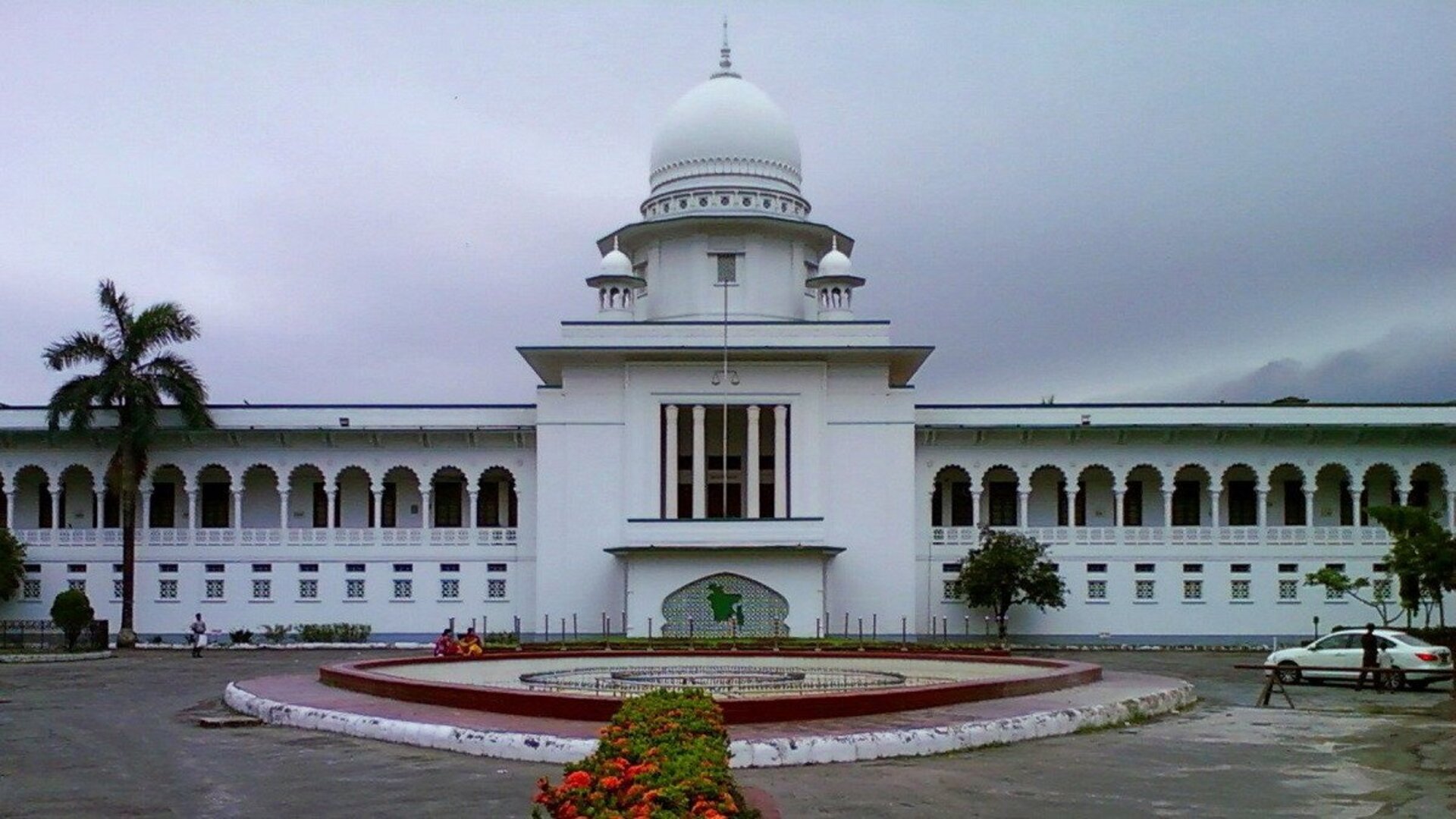
The Appellate Division of the Supreme Court, led by Chief Justice Dr. Syed Refaat Ahmed, has stayed a previous order issued by a five-member bench headed by former Acting Chief Justice Md. Abdul Wahhab Miah, which had accepted a disciplinary code for lower court judges.


This disciplinary code had previously played a role in forcing former Chief Justice S.K. Sinha to leave the country and resign, with critics arguing it undermined judicial independence. Legal experts now say that, with the stay order, there is no longer any legal barrier to resolving the long-standing constitutional case related to Article 116, which governs the discipline of subordinate judiciary.


The issue stems from a 1994 move by the government to downgrade the pay scale of lower court judges, prompting then-District Judge Masdar Hossain and 217 others to file a writ petition in the High Court. In 1995, the court halted the pay grade change and issued a rule questioning whether judges could be placed under the regular civil service system.


Eventually, in 1997, the court ruled in favor of creating an independent judicial service. Although the government appealed the decision, the Appellate Division in 1999 issued a landmark verdict with 12 directives aimed at separating the judiciary from the executive. While the main directive was implemented in 2007, several other aspects remained unaddressed.


Later, the law ministry drafted a set of service discipline rules for lower court judges and submitted them to the Supreme Court. However, the draft was found to be closely modeled on the 1985 rules for civil servants, which conflicted with the Masdar Hossain judgment. Then-Chief Justice S.K. Sinha criticized certain terms and provisions in the draft and sent it back with revisions, requesting a finalized report. Due to repeated delays and disagreements between the executive and judiciary, the matter remained unresolved.


Amid this tension, and following his controversial verdict that annulled the 16th Constitutional Amendment, Justice Sinha came under pressure, left the country on leave, and later submitted his resignation. On January 3, 2018, his successor, Acting Chief Justice Abdul Wahhab Miah, presided over a bench that formally accepted the revised disciplinary code and allowed its publication.


However, legal luminaries such as Dr. Kamal Hossain, Rafique-ul Haque, M Amir-ul Islam, Moinul Hossain, A.F. Hasan Arif, and Fida M. Kamal had expressed concern that the finalized rules signaled undue executive control over the judiciary.


With the latest ruling from the Appellate Division, the debate over judicial independence and executive influence returns to the forefront of legal discourse in Bangladesh.


 

Tag :

Please Share This Post in Your Social Media

Stay Order on Approval of Judges’ Disciplinary Rules

Update Time : 07:42:59 am, Sunday, 29 June 2025

The Appellate Division of the Supreme Court, led by Chief Justice Dr. Syed Refaat Ahmed, has stayed a previous order issued by a five-member bench headed by former Acting Chief Justice Md. Abdul Wahhab Miah, which had accepted a disciplinary code for lower court judges.


This disciplinary code had previously played a role in forcing former Chief Justice S.K. Sinha to leave the country and resign, with critics arguing it undermined judicial independence. Legal experts now say that, with the stay order, there is no longer any legal barrier to resolving the long-standing constitutional case related to Article 116, which governs the discipline of subordinate judiciary.


The issue stems from a 1994 move by the government to downgrade the pay scale of lower court judges, prompting then-District Judge Masdar Hossain and 217 others to file a writ petition in the High Court. In 1995, the court halted the pay grade change and issued a rule questioning whether judges could be placed under the regular civil service system.


Eventually, in 1997, the court ruled in favor of creating an independent judicial service. Although the government appealed the decision, the Appellate Division in 1999 issued a landmark verdict with 12 directives aimed at separating the judiciary from the executive. While the main directive was implemented in 2007, several other aspects remained unaddressed.


Later, the law ministry drafted a set of service discipline rules for lower court judges and submitted them to the Supreme Court. However, the draft was found to be closely modeled on the 1985 rules for civil servants, which conflicted with the Masdar Hossain judgment. Then-Chief Justice S.K. Sinha criticized certain terms and provisions in the draft and sent it back with revisions, requesting a finalized report. Due to repeated delays and disagreements between the executive and judiciary, the matter remained unresolved.


Amid this tension, and following his controversial verdict that annulled the 16th Constitutional Amendment, Justice Sinha came under pressure, left the country on leave, and later submitted his resignation. On January 3, 2018, his successor, Acting Chief Justice Abdul Wahhab Miah, presided over a bench that formally accepted the revised disciplinary code and allowed its publication.


However, legal luminaries such as Dr. Kamal Hossain, Rafique-ul Haque, M Amir-ul Islam, Moinul Hossain, A.F. Hasan Arif, and Fida M. Kamal had expressed concern that the finalized rules signaled undue executive control over the judiciary.


With the latest ruling from the Appellate Division, the debate over judicial independence and executive influence returns to the forefront of legal discourse in Bangladesh.