Dhaka’s urban disconnect

- Update Time : 05:00:12 am, Thursday, 9 October 2025
- / 1858 Time View
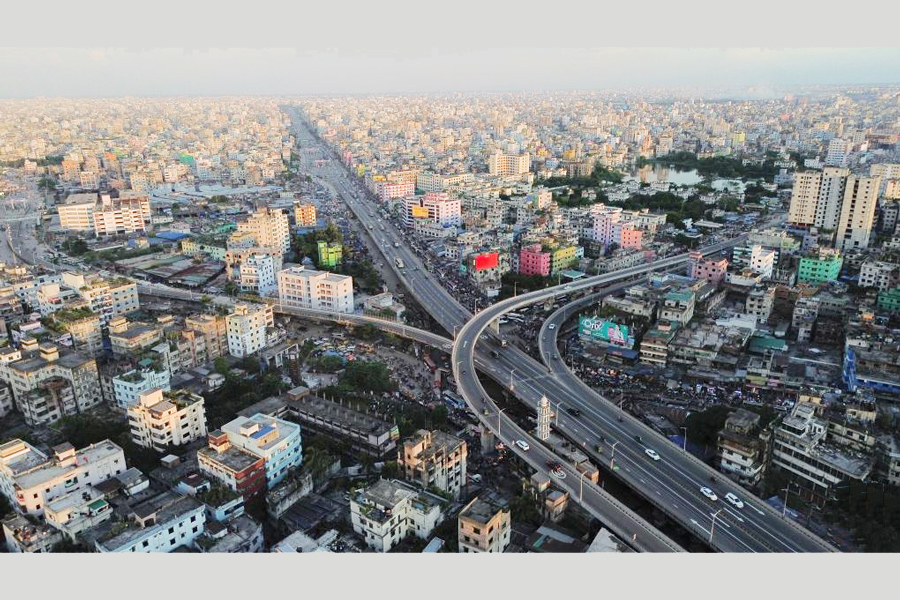

Dhaka, the vibrant core of Bangladesh, is a city of striking contrasts. From early morning until late at night, the city hums with relentless activity—rickshaws dart through congested streets, buses honk ceaselessly, and towering buildings rise from dust-strewn grounds as symbols of ambition. Yet, beneath this energetic surface lies an invisible tension: a sense of isolation. Despite the city’s ceaseless motion, many residents feel profoundly disconnected from one another. This paradox defines Dhaka’s urban reality—its rapid growth and bustling economy coexist with a deepening social detachment. The very forces that drive its vitality—migration, modernization, and market expansion—simultaneously fracture human relationships, creating a metropolis that is thriving yet emotionally fragmented.
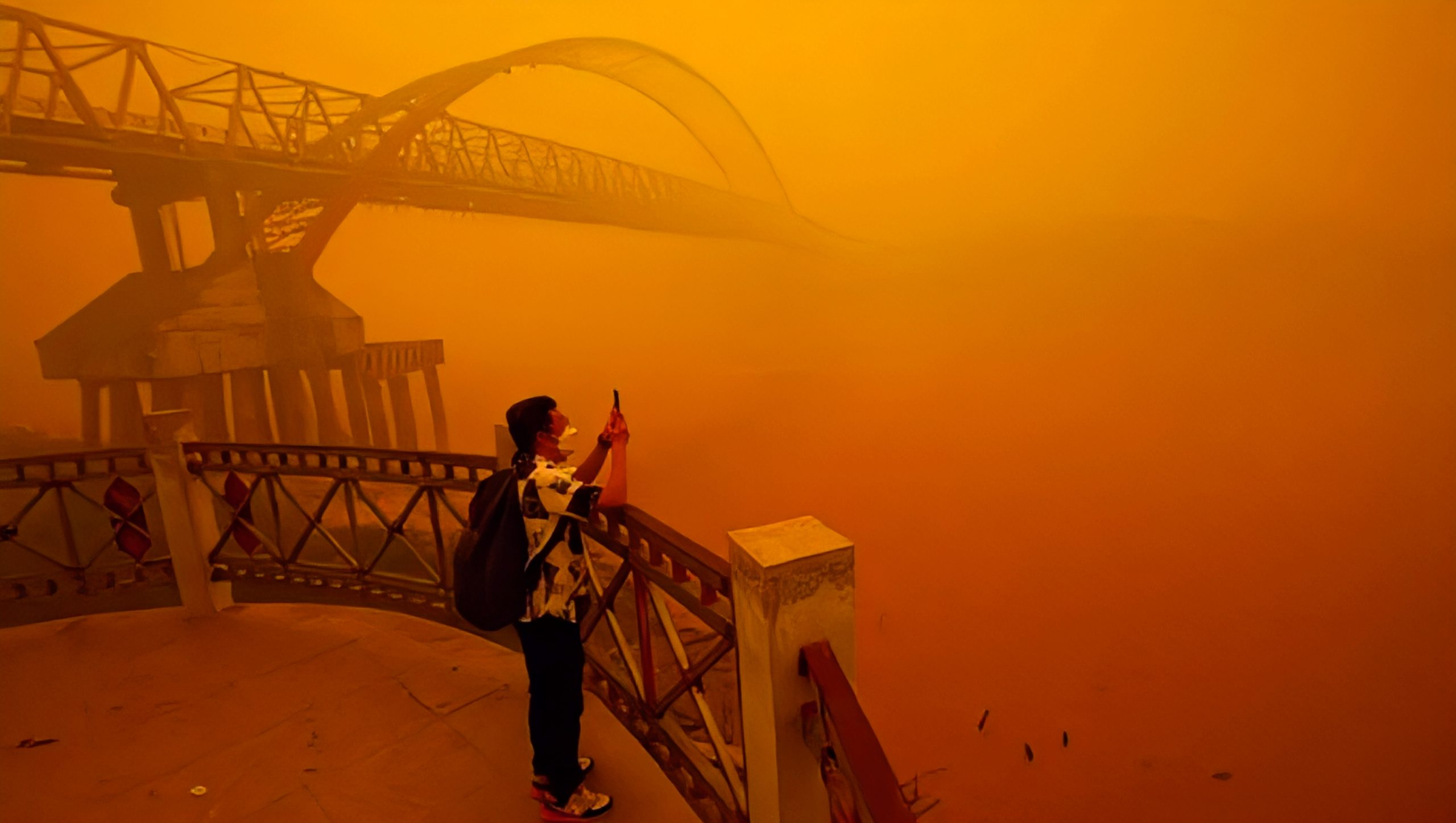
The roots of this alienation lie in Dhaka’s explosive urban growth. With a population exceeding 23 million, the city has expanded faster than most urban centers in South Asia. Each year, hundreds of thousands migrate from rural areas in search of work, education, or survival. Climate change intensifies this movement, as floods, riverbank erosion, and salinity intrusion destroy livelihoods, pushing people toward Dhaka’s already overstretched resources. Yet, the city’s infrastructure struggles to keep pace. Roads are congested, housing is costly, and public spaces are disappearing amid rampant commercialization. The result is a city densely packed with bodies but socially distant. High-rise apartments, informal settlements, and gated communities may exist side by side, yet meaningful interaction between residents is rare. Physical closeness does not translate into emotional proximity.
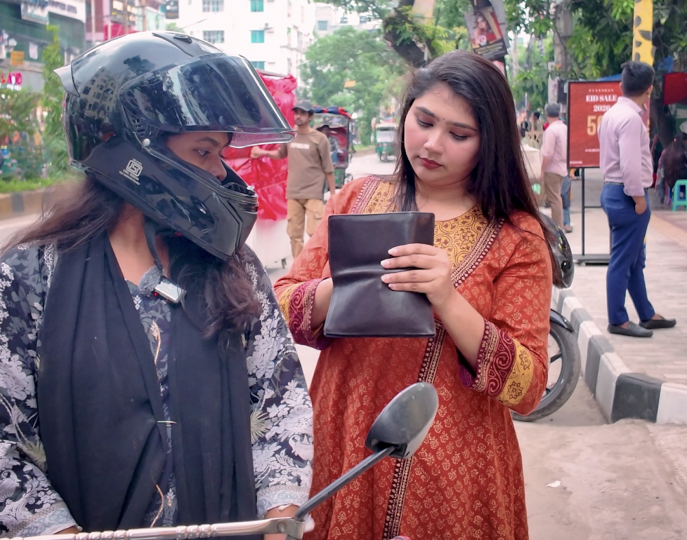
Daily life in Dhaka further fuels disconnection. Endless traffic consumes hours each day, leaving little time for family, rest, or reflection. For both working- and middle-class residents, life often feels like a perpetual scramble for housing, jobs, or even a spot on an overcrowded bus. Exhaustion replaces empathy. In this context, Marx’s notion of labor alienation is apparent: from factory workers to office professionals, many toil relentlessly but feel estranged from the purpose of their work. Labor becomes mere survival, and colleagues transform into competitors. Economic productivity flourishes, but social and emotional well-being often suffers.
From a sociological standpoint, Dhaka’s fragmentation can be interpreted through Émile Durkheim’s concept of anomie—a state of normlessness arising when rapid change disrupts social norms. Over just a few decades, Dhaka has transformed from a small town into a megacity, dismantling many traditional community structures. Nuclear families replace extended ones, and neighborhood bonds weaken. In the midst of relentless urban pace, residents struggle to find shared values or stable reference points. Georg Simmel’s notion of the metropolitan “blasé attitude” also applies: individuals cope with urban overstimulation by emotionally withdrawing. In Dhaka, this emerges as hurried glances, fleeting conversations, and quiet indifference—a protective shield against sensory and social overload.
Class divisions intensify social fragmentation. Wealthier residents retreat into gated compounds, air-conditioned offices, and exclusive clubs, while low-income residents inhabit crowded slums, informal settlements, or decaying rental units. The middle class navigates a precarious balance between rising living costs and declining quality of life. The city’s geography mirrors inequality: affluent areas like Gulshan and Banani contrast sharply with neighborhoods like Kamrangirchar or Korail. These spatial divisions reinforce cultural isolation, mistrust, and the erosion of collective identity, dissolving the sense of “we” into individualized survival strategies.
The privatization of social spaces compounds isolation. Where earlier generations met in tea stalls, playgrounds, and open fields, today’s Dhaka offers malls, rooftop restaurants, and exclusive cafes. Social interaction increasingly becomes transactional, with leisure tied to spending. Public parks are limited, community centers scarce, and shared spaces often encroached upon by construction or commerce. Without accessible venues for connection, urban relationships remain superficial.
Technology, once a potential connector, now deepens the divide. Social media keeps people virtually connected but often replaces real-world intimacy. Online interaction substitutes for face-to-face engagement, fostering a generation that is hyperconnected digitally yet emotionally isolated—a phenomenon known as “networked individualism.” The pandemic accelerated this trend, further diminishing in-person social habits. In a city already prone to isolation, digital life has compounded psychological solitude.
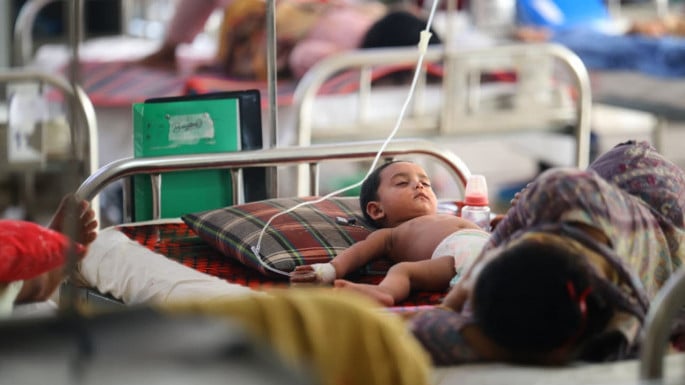
The consequences are visible. Mental health concerns—anxiety, depression, and burnout—are on the rise across all socio-economic groups. A 2024 National Institute of Mental Health survey reported that nearly one in five Dhaka residents experience clinical stress, with loneliness a key factor. Socially, the impact extends beyond individuals: civic trust diminishes, neighborhoods become transient, and collective problem-solving weakens. A fragmented society struggles to respond to crises, manage public spaces, or engage in local governance, highlighting the broader cost of social atomization.
Cultural life also reflects this disconnection. Once rooted in communal traditions, Dhaka’s cultural fabric is thinning. Local festivals, street fairs, and neighborhood gatherings are increasingly replaced by individual entertainment—private parties, streaming platforms, and online engagement. Contemporary Bangladeshi films and literature increasingly depict individual isolation, moral tension, and urban anxiety. The arts both reflect and amplify the city’s fractured emotional landscape.
Addressing Dhaka’s social disconnect requires rethinking urban progress. Solutions must go beyond infrastructure to consider the architecture of human connection. Pedestrian-friendly streets, public parks, libraries, and cultural hubs can create spaces for belonging. Affordable housing integrated with mixed-income communities can reduce segregation. Urban planners must treat social cohesion as essential infrastructure rather than an afterthought.
Public policy can foster community engagement. Neighborhood associations, youth clubs, and volunteer initiatives can rebuild trust. Participatory urban governance allows residents to influence planning, bridging the gap between citizens and institutions. Mental health support should be integrated into urban health policies, recognizing that stress and alienation stem from systemic conditions, not personal failure.
Educational and cultural institutions play a critical role in restoring connection. Schools and universities can act as community anchors, promoting civic values, empathy, and collaboration. Arts, theater, and public storytelling can revive collective imagination, reminding residents that cities are living social systems, not merely markets. Media can shift focus from urban glamour to human stories, highlighting solidarity, creativity, and resilience.
Dhaka faces an existential challenge: reconciling rapid growth with social belonging. If urban development prioritizes speed, profit, and competition over empathy, the city risks producing a population that is economically active but emotionally adrift. Yet change is possible. Cities like Seoul, Curitiba, and Copenhagen show that thoughtful design and inclusive governance can humanize urban life. Dhaka can learn from these models, adapting them to its unique social and cultural landscape.
Rebuilding connection in Dhaka means fostering social capital—the trust, reciprocity, and cooperation that underpin functioning societies. It requires ensuring that every resident feels seen amid the city’s chaos. The task is complex, but urgent. In a world increasingly defined by urban living, Dhaka’s story is both a cautionary tale and a source of hope.
Ultimately, Dhaka’s alienation is a reflection of modernity itself: a reminder that progress measured solely in wealth and infrastructure can erode the bonds that make life meaningful. Reviving human connection is not merely a social goal but a measure of the city’s future. Dhaka’s skyline may define its economic growth, but its humanity will define its destiny.