Dhaka 4:32 am, Saturday, 20 June 2026

Buriganga Turns into a Dumping Ground, Not a River — Calls for Exemplary Punishment

Reporter Name
  • Update Time : 04:57:18 am, Wednesday, 21 May 2025
  • / 572 Time View

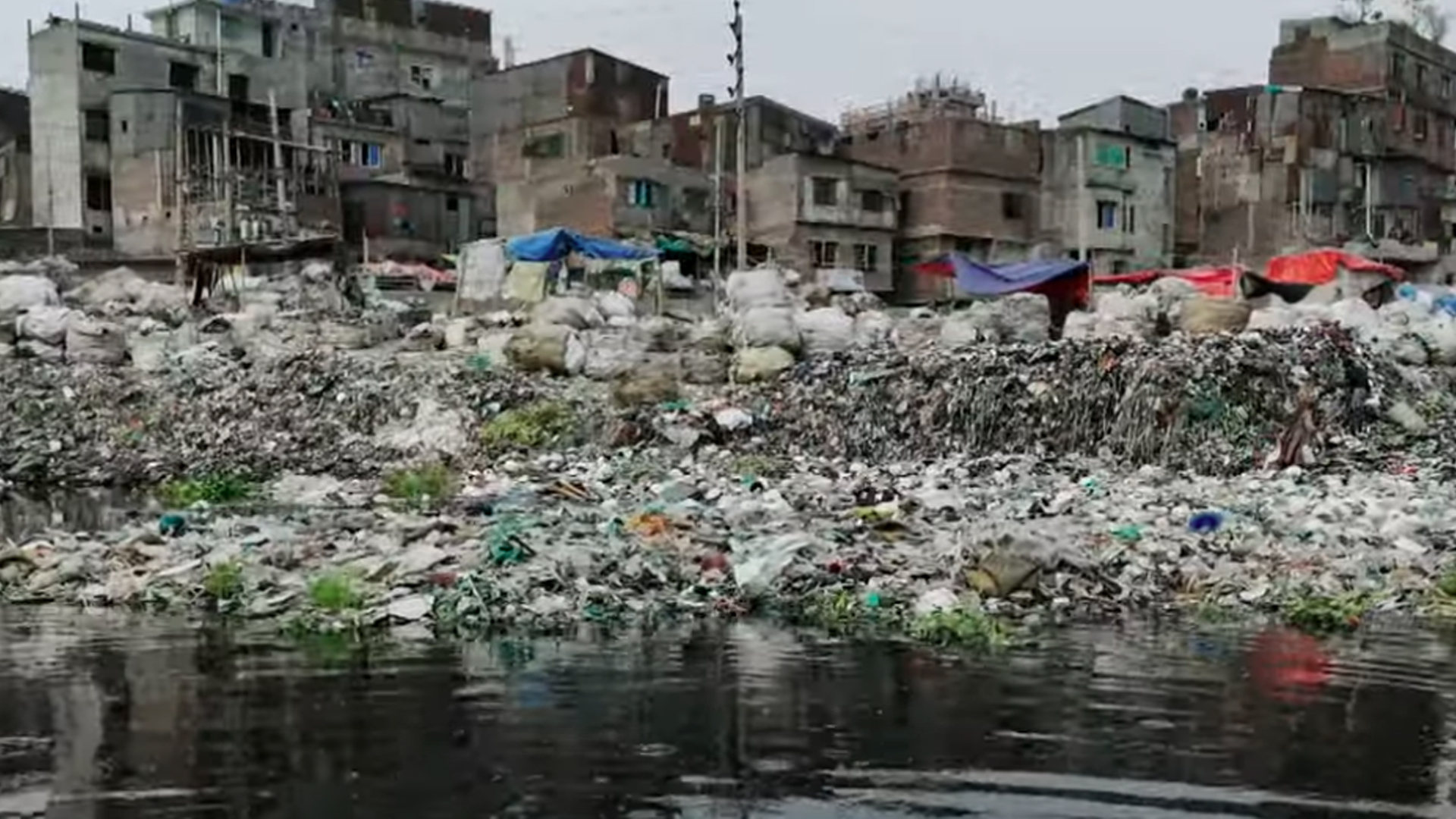
Black sludge floats on the pitch-dark waters of the Buriganga River, reeking of an unbearable stench. Once a lifeline for Dhaka, this river has turned into a dumping ground over the years, losing its natural beauty and vitality. Even 15 feet beneath the riverbed, layers of plastic waste are being discovered. Despite receiving legal recognition as a living entity, the river enjoys no real protection.


Raw sewage from various areas—including Sadarghat and Wiseghat—flows directly into the river through sewer lines. Years of pollution have turned the water even blacker and more foul-smelling than untreated waste. Aquatic life has largely vanished, and locals, who once relied on this river for fresh water, now speak of its death.


Residents recall a time when the river was clean and teeming with fish. Fishermen once earned extra income from catching fish while transporting passengers. Today, plastic debris has taken over. Rotten vegetables, discarded food, and waste from nearby markets and eateries are dumped regularly.


Once, people could spot fish even ten feet deep in the water. Now, not even insects survive. The only activity left is scavenging plastic bottles for survival.


The river’s depth and width are shrinking, along with its flow. Standing by the Buriganga feels suffocating now. Experts blame illegal encroachment and indiscriminate dumping, which slowly fill up the river. Environmental studies have confirmed the presence of plastic waste as deep as 15 feet underground.


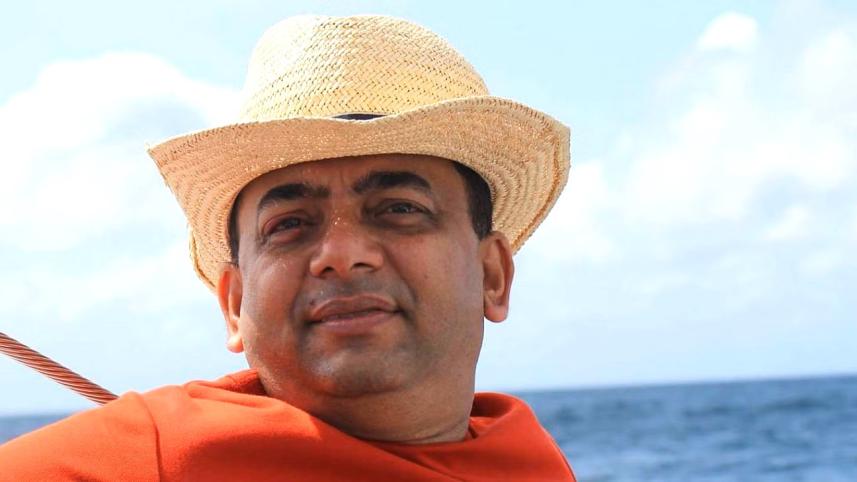
Environmental scientist Dr. Ahmad Kamruzzaman Majumder notes that plastic bottles now outnumber fish in many rivers. In several excavations along the Buriganga and Dhaleshwari, plastic was found deep beneath the soil, showing there’s little chance for any ecosystem to survive—especially in the dry season.


In 2023, the Bangladesh River Protection Commission identified 28 industrial entities as responsible for the pollution and encroachment of the Buriganga, but little to no action followed.


Lawyer M. Atikur Rahman argues that making new laws and court rulings means nothing if existing regulations are not enforced. He urges authorities to evaluate the actual performance of river protection efforts and present them transparently to the nation.


There is growing public demand for strict monitoring to stop the dumping of sewage and industrial waste, and for punishing those who continue to pollute the river.

 

Tag :

Please Share This Post in Your Social Media

Buriganga Turns into a Dumping Ground, Not a River — Calls for Exemplary Punishment

Update Time : 04:57:18 am, Wednesday, 21 May 2025

Black sludge floats on the pitch-dark waters of the Buriganga River, reeking of an unbearable stench. Once a lifeline for Dhaka, this river has turned into a dumping ground over the years, losing its natural beauty and vitality. Even 15 feet beneath the riverbed, layers of plastic waste are being discovered. Despite receiving legal recognition as a living entity, the river enjoys no real protection.


Raw sewage from various areas—including Sadarghat and Wiseghat—flows directly into the river through sewer lines. Years of pollution have turned the water even blacker and more foul-smelling than untreated waste. Aquatic life has largely vanished, and locals, who once relied on this river for fresh water, now speak of its death.


Residents recall a time when the river was clean and teeming with fish. Fishermen once earned extra income from catching fish while transporting passengers. Today, plastic debris has taken over. Rotten vegetables, discarded food, and waste from nearby markets and eateries are dumped regularly.


Once, people could spot fish even ten feet deep in the water. Now, not even insects survive. The only activity left is scavenging plastic bottles for survival.


The river’s depth and width are shrinking, along with its flow. Standing by the Buriganga feels suffocating now. Experts blame illegal encroachment and indiscriminate dumping, which slowly fill up the river. Environmental studies have confirmed the presence of plastic waste as deep as 15 feet underground.


Environmental scientist Dr. Ahmad Kamruzzaman Majumder notes that plastic bottles now outnumber fish in many rivers. In several excavations along the Buriganga and Dhaleshwari, plastic was found deep beneath the soil, showing there’s little chance for any ecosystem to survive—especially in the dry season.


In 2023, the Bangladesh River Protection Commission identified 28 industrial entities as responsible for the pollution and encroachment of the Buriganga, but little to no action followed.


Lawyer M. Atikur Rahman argues that making new laws and court rulings means nothing if existing regulations are not enforced. He urges authorities to evaluate the actual performance of river protection efforts and present them transparently to the nation.


There is growing public demand for strict monitoring to stop the dumping of sewage and industrial waste, and for punishing those who continue to pollute the river.