Journalist Persecution, How Much Longer?

- Update Time : 07:33:12 pm, Wednesday, 5 February 2025
- / 543 Time View

The relentless attacks, lawsuits, persecution, and murders of journalists in Bangladesh have become alarmingly normalized. Despite continuous incidents fueled by government indifference and provocations from various quarters, justice remains elusive in almost all cases. Bangladesh has been ranked among the top five most dangerous countries for journalists, according to international watchdogs. Yet, fortunately, the Honorable Chief Adviser of the interim government has proclaimed that the media enjoys unprecedented freedom during this period. Otherwise, the situation could have taken an even more horrific turn.
Since Dr. Yunus took charge of the interim government, there have been rising incidents of repression against journalists, attacks on media establishments, and the revocation of accreditation cards. Following the political shift on August 5th, promises were made about reforms and changes in various sectors. However, 561 journalists have faced harassment, intimidation, and professional obstructions since then. Among them, at least 269 journalists were assaulted while performing their duties. Post-August 5th, around 296 journalists have been implicated in nearly 600 lawsuits, the majority of which are murder charges.
According to a survey by the Human Rights Support Society (HRSS), in January 2025 alone, 28 journalists were subjected to abuse in 19 separate attacks. Nineteen were injured, two received death threats, and one was arrested. Another source reported that 21 journalists have been arrested, but only three have been granted bail. A total of 100 journalists were injured, and around 900 have lost their jobs. Many were forced to resign. The Bangladesh Financial Intelligence Unit (BFIU) requested financial statements from 96 journalists, revoked press accreditation for 168, froze the bank accounts of 18, and canceled the National Press Club memberships of 83 journalists. Ownership changes have occurred in several media houses as well.
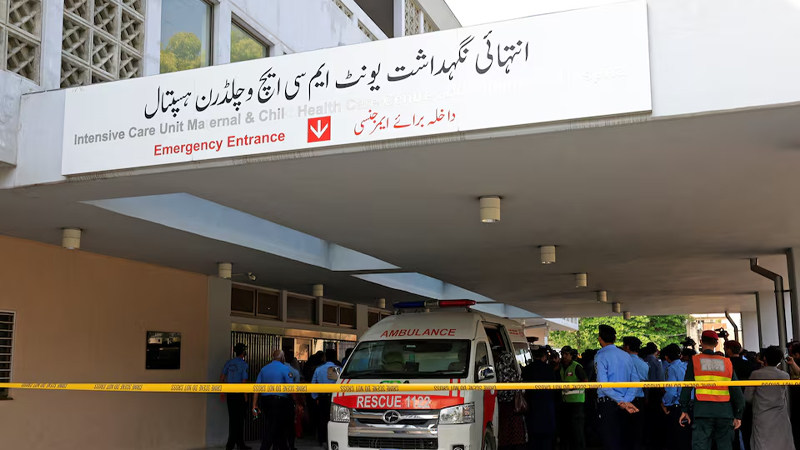
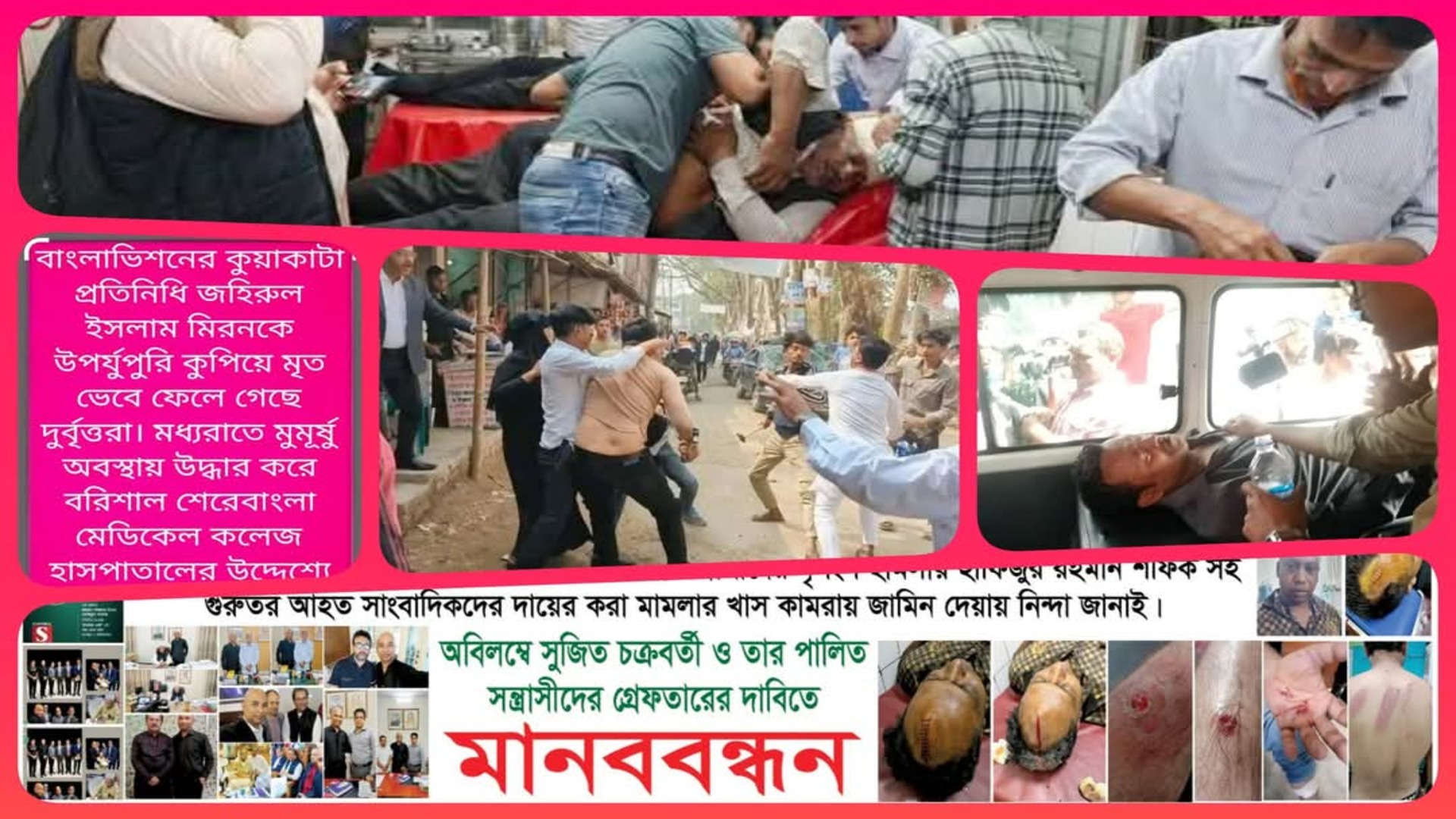
At the very moment this report is being written, Zahidul Islam Miron, a journalist from Banglavision based in Kuakata, is battling for his life at Barisal Sher-e-Bangla Medical College Hospital. Last night, assailants brutally hacked him and left him for dead.
Today, even within the Supreme Court premises, at least three media personnel were assaulted. Tomorrow morning, a protest will be held in front of the Press Club demanding justice for the brutal attacks on journalists Hafizur Rahman Shafik and two others.
In Cox’s Bazar, Daily Protidiner Kagoj’s staff reporter, journalist Monsur Alam Munna, was allegedly abducted from the city and tortured under police custody at Chakaria Police Station. Accusations have been raised against Officer-in-Charge Manzur Kader and four other police officials.
In Shariatpur, a gang of criminals attacked four journalists with hammers. The injured journalists include Sohag Khan Sujon from Daily Samakal, Bidhan Majumder Oni from News24, Nayon Das from Bangla TV, and Saiful Islam Akash from Desh TV.
Earlier, Anisur Rahman, a member of the Sonargaon Press Club and a correspondent for the Daily Somoyer Alo, was attacked by criminals. Additionally, while covering a pond excavation story in Ward 7 of Bargachi Union under Poba Police Station, Rajshahi, Ramzan Ali, the news editor of Uttar Banga Protidin, and six other journalists were assaulted.
While BNP central leadership, including Tarique Rahman, has shown a tolerant stance towards journalists, many of their grassroots leaders and activists have taken a more hostile approach.
—
Despite the grim scenario, there have been rare exceptions. Kaler Kantho provided financial assistance of one crore taka to the families of five journalists martyred in the July revolution. In another instance, the Journalist Welfare Council organized an event at the Cumilla Press Club auditorium, honoring seven journalists who were assaulted or persecuted while performing their duties. Moreover, a united protest at Gazipur Sadar Press Club led to the immediate suspension of police officers involved in journalist harassment cases.