Settle Historical Responsibilities First: Majnu

- Update Time : 02:31:28 pm, Monday, 17 February 2025
- / 567 Time View
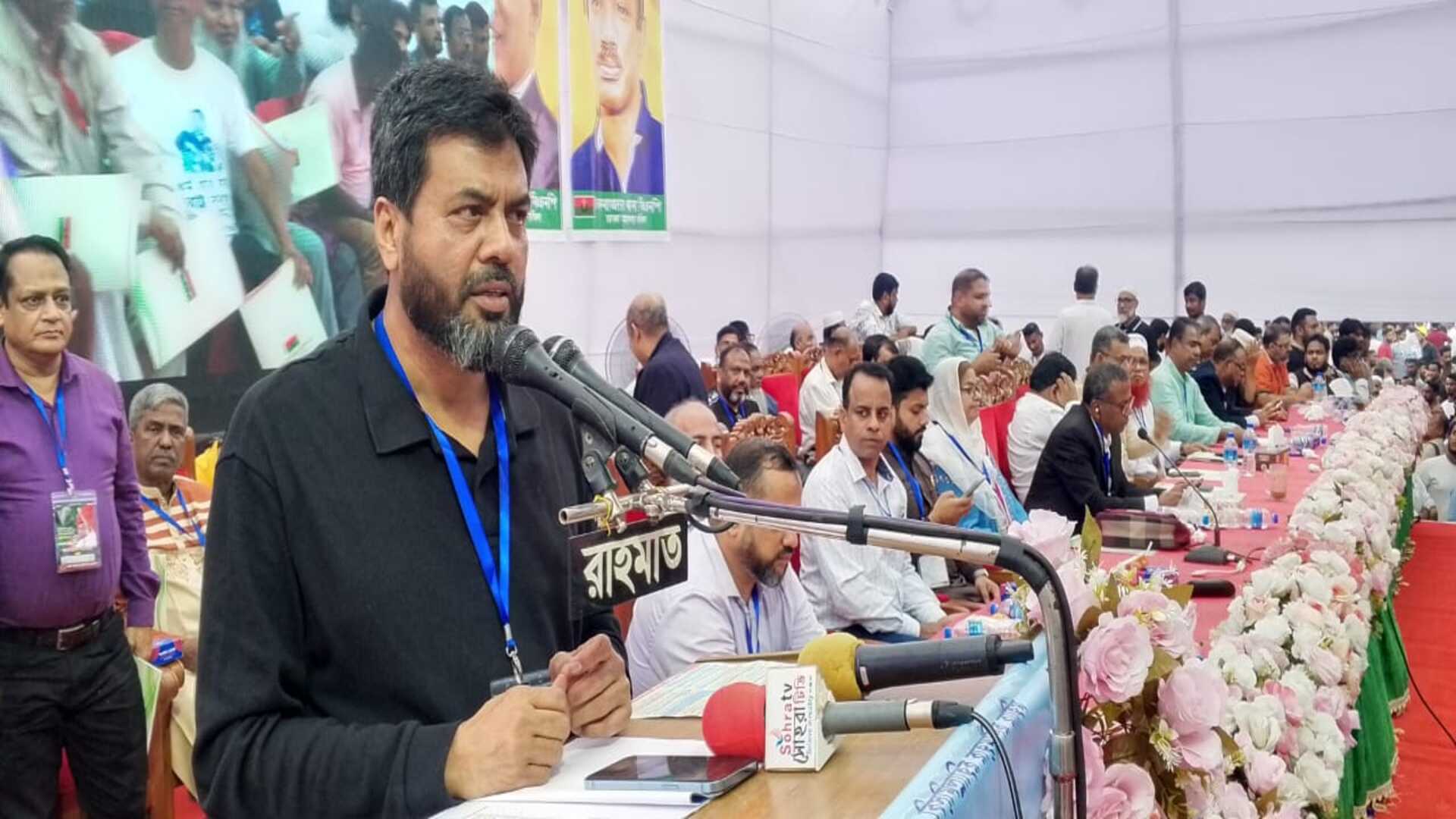

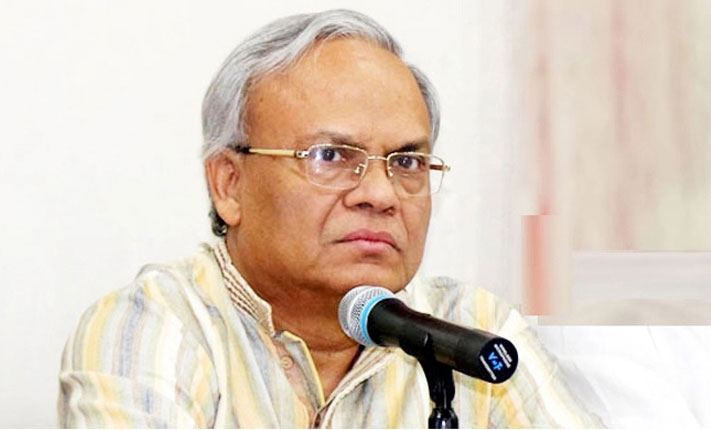
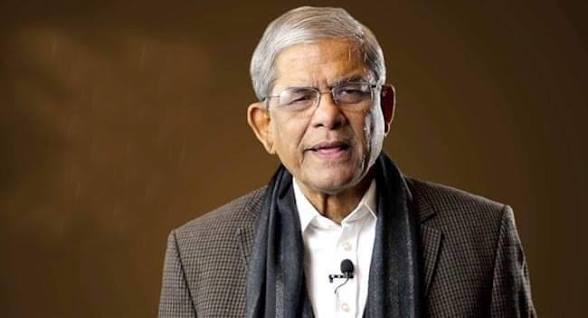
Rafiqul Alam Majnu, the Convener of BNP Dhaka Metropolitan South, stated that both domestic and international conspirators were behind the assassination of Shaheed Ziaur Rahman. He added that these conspirators believed killing Zia would wipe out the BNP and allow them to achieve their sinister goals, including turning the country into a subordinate state of foreign powers. However, their assumptions were proven wrong, as the BNP has established itself as the leading political party in the country.
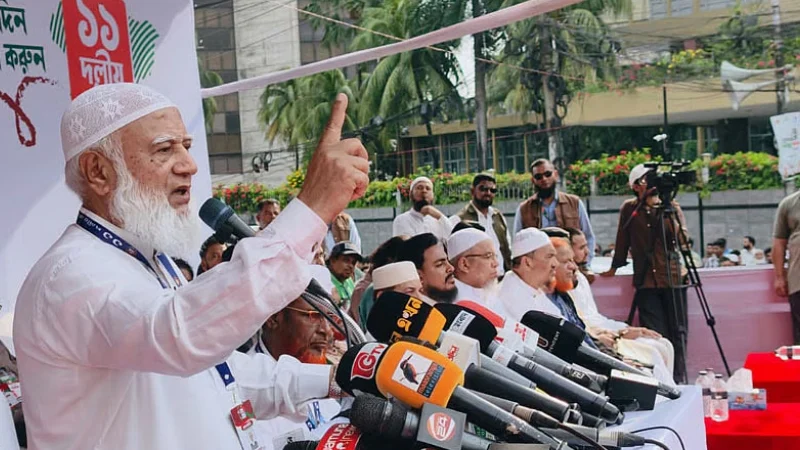
Speaking at a workshop organized by the BNP’s Chawk Bazar Thana unit, Majnu said, “Shaheed Zia declared independence and fought on the battlefield with weapons in hand. On the other hand, some political parties opposed the Liberation War at the time, and some even stand accused of intellectual killings. This is where the BNP differs from others—BNP’s politics is as transparent as a mirror, while others carry historical responsibilities that BNP does not.”
Majnu emphasized, “Settle historical responsibilities first, then go to the people and engage in politics.”
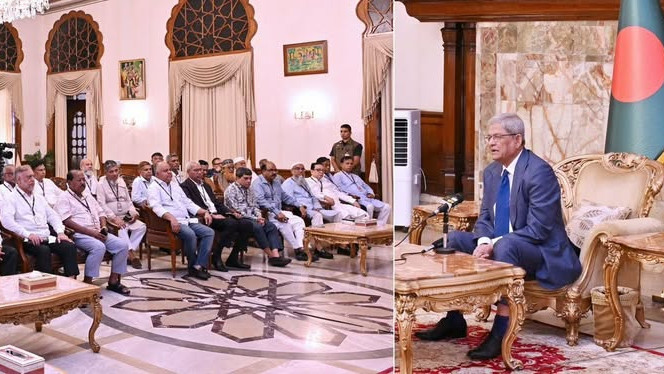
The remarks were made on Monday afternoon at a workshop held at the Bakshibazar Aliya Madrasa grounds. The workshop focused on the 31-point reform plan announced by Tarique Rahman.
Majnu accused the “fascist” Hasina regime of suppressing BNP’s movement-oriented leaders and activists through enforced disappearances and killings. He alleged that, over the past decade and a half, dedicated leaders like Nasir Uddin Ahmed Pintu were even killed in custody through medical neglect.
He further claimed that the sinister forces of the 1/11 regime have resurfaced in new disguises to plot fresh conspiracies. “We must stay alert and united to resist and counter them. The lives and sacrifices of students and the people will not go in vain. All conspiracies will be confronted,” he vowed, urging all political and non-political groups to stand by the families of those who were martyred, injured, or disabled in the struggle.
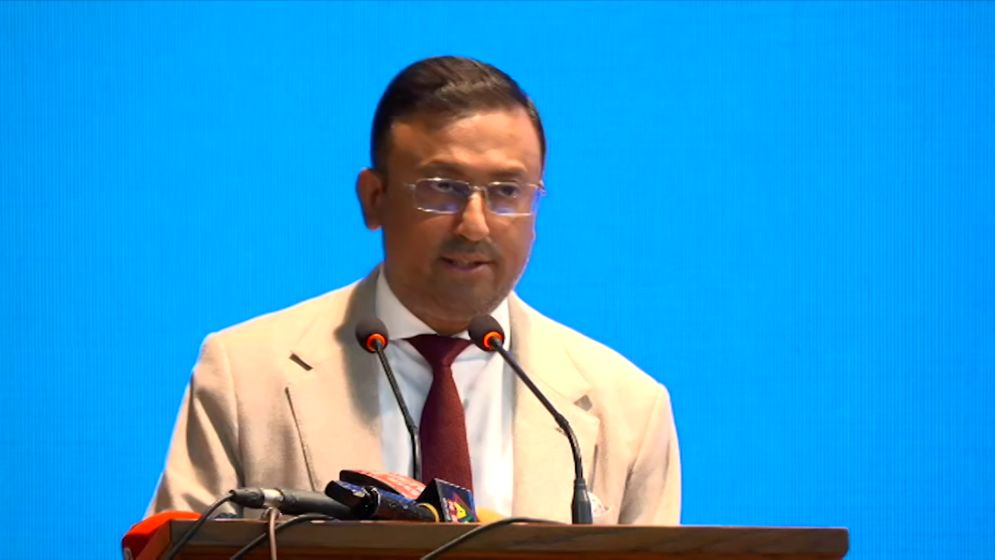
The workshop, chaired by Majnu and moderated by BNP Dhaka Metropolitan South Member Secretary Tanvir Ahmed Robin, included presentations on the 31-point reform program by BNP International Affairs Committee member Engineer Ishraque Hossain. The reforms were analyzed and discussed by BNP Assistant Youth Affairs Secretary Mir Nawaz Ali Nawaz, Central leaders Rafiqul Islam Russel, Nasima Akhter Kalpana, Hamidur Rahman Hamid, and BNP leader Mosharraf Hossain Khokon, among others.
Other prominent attendees included Joint Conveners of Dhaka Metropolitan South BNP Harun-Ur-Rashid Harun, ANM Saiful Islam, Liton Mahmud, SK Sikandar Kadir, Haji Monir Hossain Chairman, Mir Hossain Miru, Saidur Rahman Mintu, Farhad Hossain, Mojibur Rahman Moju, BNP leader Shahidul Islam Babul, South Labor Party Member Secretary Badrul Alam Sabuj, South Women’s Wing President Ruma Akter, and General Secretary Shaheenur Nargis.
During the event, Tanvir Ahmed Robin raised the question, “Why are the beneficiaries of fascism, including certain political, business, and administrative figures, still being sheltered and nurtured? This is incomprehensible.” He demanded their immediate arrest and prosecution, warning that the struggling people of Bangladesh are ready to deliver a crushing response to fascism’s accomplices. “Anyone who supports or harbors these forces must also be resisted,” he added.
Engineer Ishraque Hossain reiterated the need for reforms that reflect the people’s will. “Reforms serving the agenda of specific groups or individuals will not be accepted by the public,” he stated. Ishraque criticized the current interim government for forming reform commissions on various issues, which Tarique Rahman has already detailed in the 31-point plan.
He accused a particular political party of attempting to delay the election due to their awareness of their impending downfall. “This is why they are introducing unnecessary and illogical issues to divert attention,” he remarked.
Ishraque posed a question: “Does a leader who burns the bodies of students and citizens after killing them, or a party involved in such acts, deserve the right to do politics in this country? Should they be allowed to continue their political activities?”