Bangladesh One Year After the Uprising: Between Aspiration and Reality

- Update Time : 07:27:56 am, Tuesday, 5 August 2025
- / 424 Time View
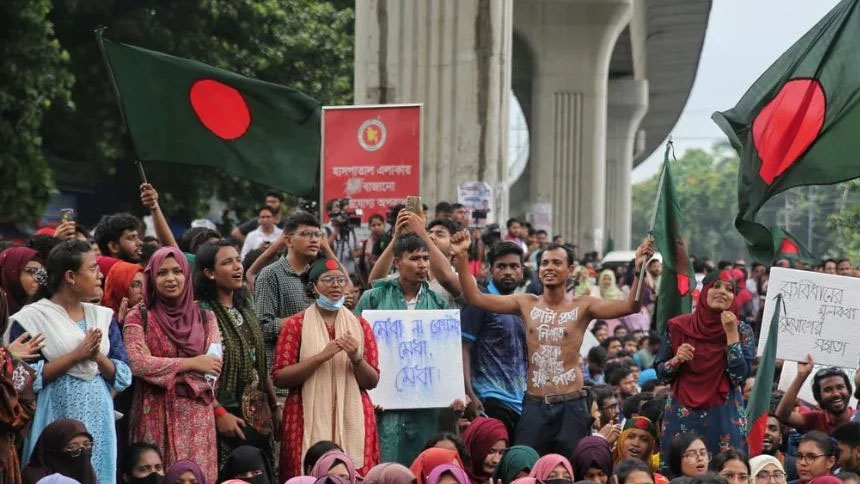

Twelve months ago, a wave of defiance swept across Bangladesh, igniting demands for justice, dignity, and structural change. Today, the nation stands at a fragile crossroads—torn between the promises of a new beginning and the weight of lingering old realities.
A Historic Reckoning
What began as a mass mobilization evolved into one of the country’s most consequential political reckonings. Citizens, students, and workers disrupted decades of entrenched power, shaking the foundations of a status quo maintained by fear and silence.
But the revolutionary hopes for justice and reform have since collided with the complexities of governance. A year later, optimism is tempered by frustration, and ambition is shadowed by delays.
Justice Delayed
Central to the uprising was the demand for accountability, particularly regarding the July 2024 killings. Instead, those events have become symbols of what the movement opposed: judicial dysfunction, abuse of power, and extortion.
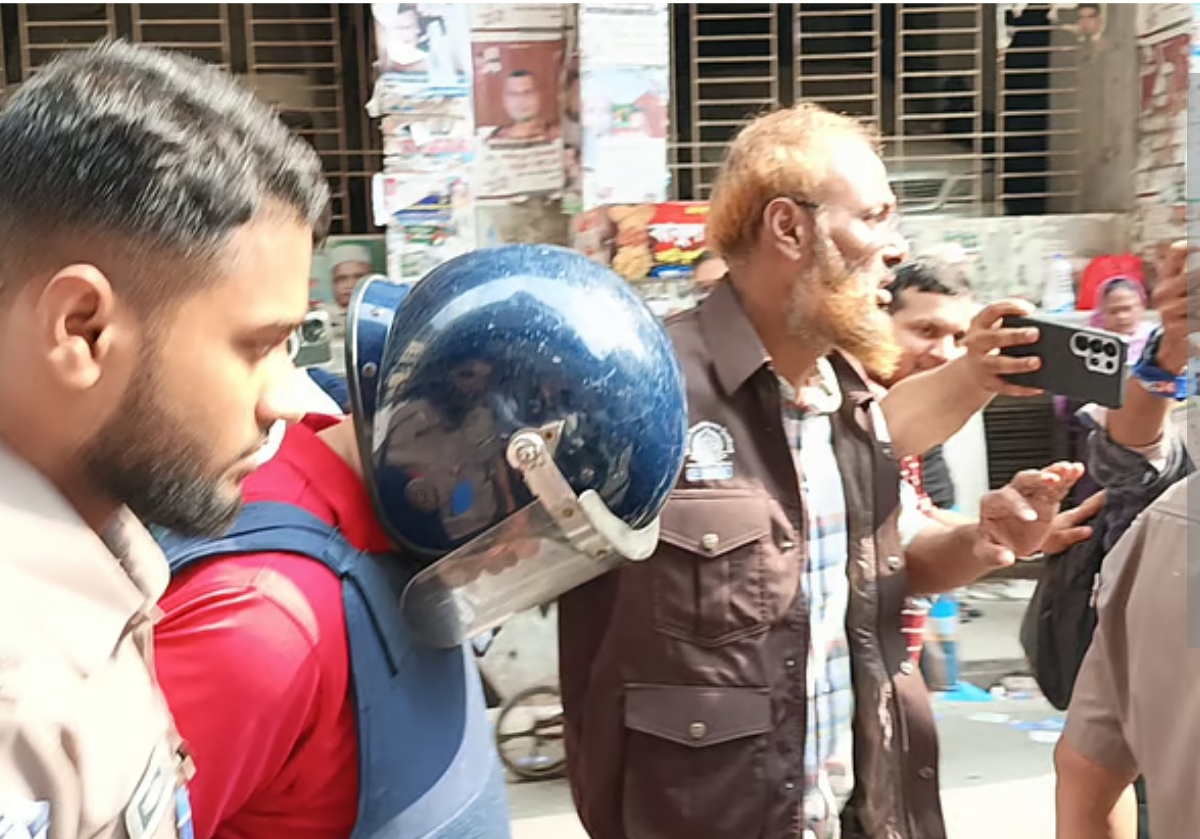
Thousands remain charged in what rights groups claim are politically motivated cases. Families report pressure from law enforcement to pay bribes for bail or to manipulate charges. In some instances, criminal networks have exploited the situation for financial gain.
Legal experts argue that while justice must be delivered for the violence of July, a fair sequence of accountability is critical—beginning with unresolved historical injustices like the 1971 genocide.
Despite commitments from interim leader Prof Muhammad Yunus to reform the legal system—including promises of digital police records, a neutral case review board, and depoliticized protest laws—progress has been minimal. Over 80% of July-related cases remain unresolved, reinforcing a climate of fear rather than justice.
Economic Headwinds
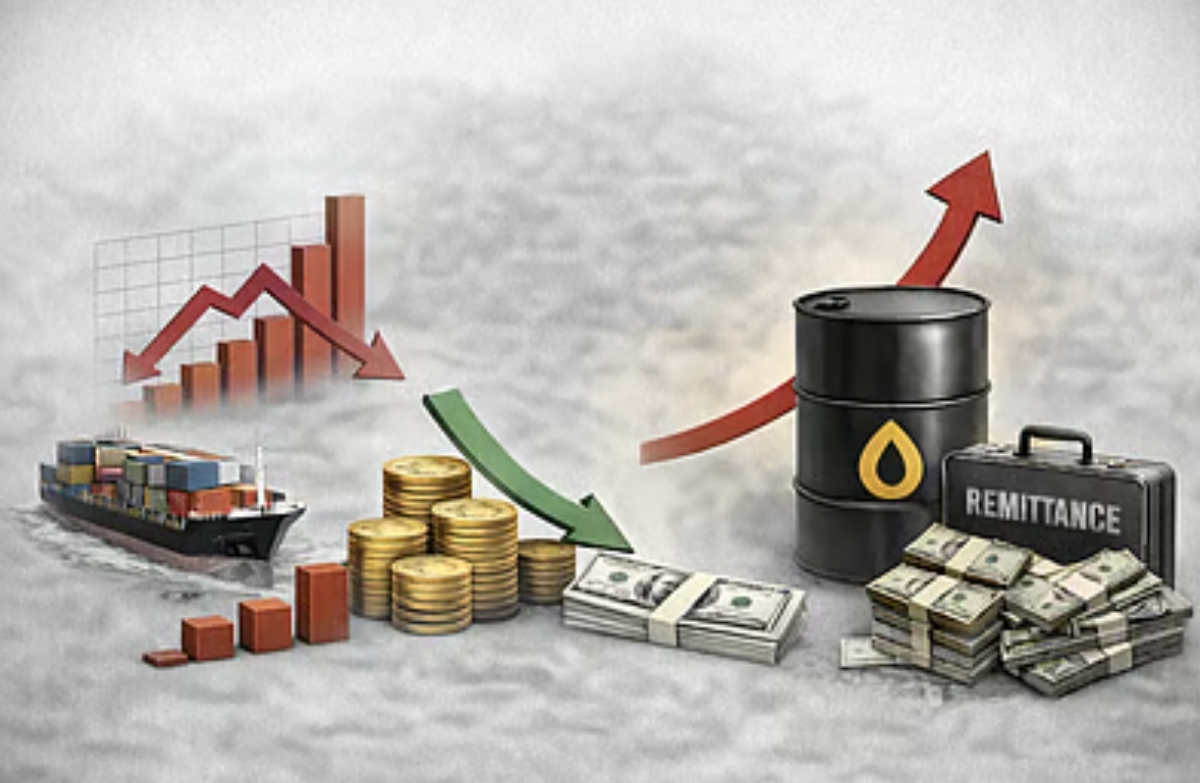
The economy, already weakened by global shocks, continues to struggle with inflation, debt, and uneven growth. Foreign exchange reserves briefly dropped to $20.49 billion in mid-2024 before recovering to just under $30 billion last month.
The interim government has cleared over $4 billion in foreign debt, secured a $3+ billion support package from the World Bank, and unlocked emergency IMF funding. However, key challenges persist: inflation remains high, unemployment is widespread, and public debt is mounting.
Yunus’s administration has highlighted macroeconomic stability as a success, but critics argue that structural reforms remain mostly theoretical. The benefits of foreign aid and donor confidence have yet to trickle down to ordinary citizens.
Public Safety and Civil Liberties
Though the scale of unrest has declined, security concerns remain. While Dhaka has seen a reduction in violence, sporadic mob attacks and political clashes have continued elsewhere.
Repressive tactics of the past—such as enforced disappearances and widespread surveillance—have been dialed back. Still, rights watchdogs report ongoing misuse of power, with law enforcement accused of arbitrary arrests and maintaining figures implicated in past abuses.
Civic space remains constrained. Though some independent media outlets have resumed operations, many journalists continue to exercise caution. Protest rights are legally intact but practically limited.
Political Reform and Stalled Elections
One of the uprising’s core demands was electoral reform and the guarantee of a free, fair national election. Yet, one year on, Bangladesh has no confirmed election date.
The interim government set February 2026 as a target and formed 11 commissions to examine reforms across sectors—from electoral law to judiciary oversight. But internal divisions, partisan resistance, and the exclusion of major political players have slowed progress.
The Bangladesh Nationalist Party (BNP) initially pushed for elections by December 2025 but has since agreed to a February timeline. Meanwhile, the Awami League—long the dominant political force—remains sidelined under anti-terror laws, raising questions about the credibility of any future election.
A Mixed Foreign Policy Landscape
Internationally, the Yunus administration has managed a difficult balancing act. It received initial support from major powers like the United States and China, and has regained footing at institutions like the UN.
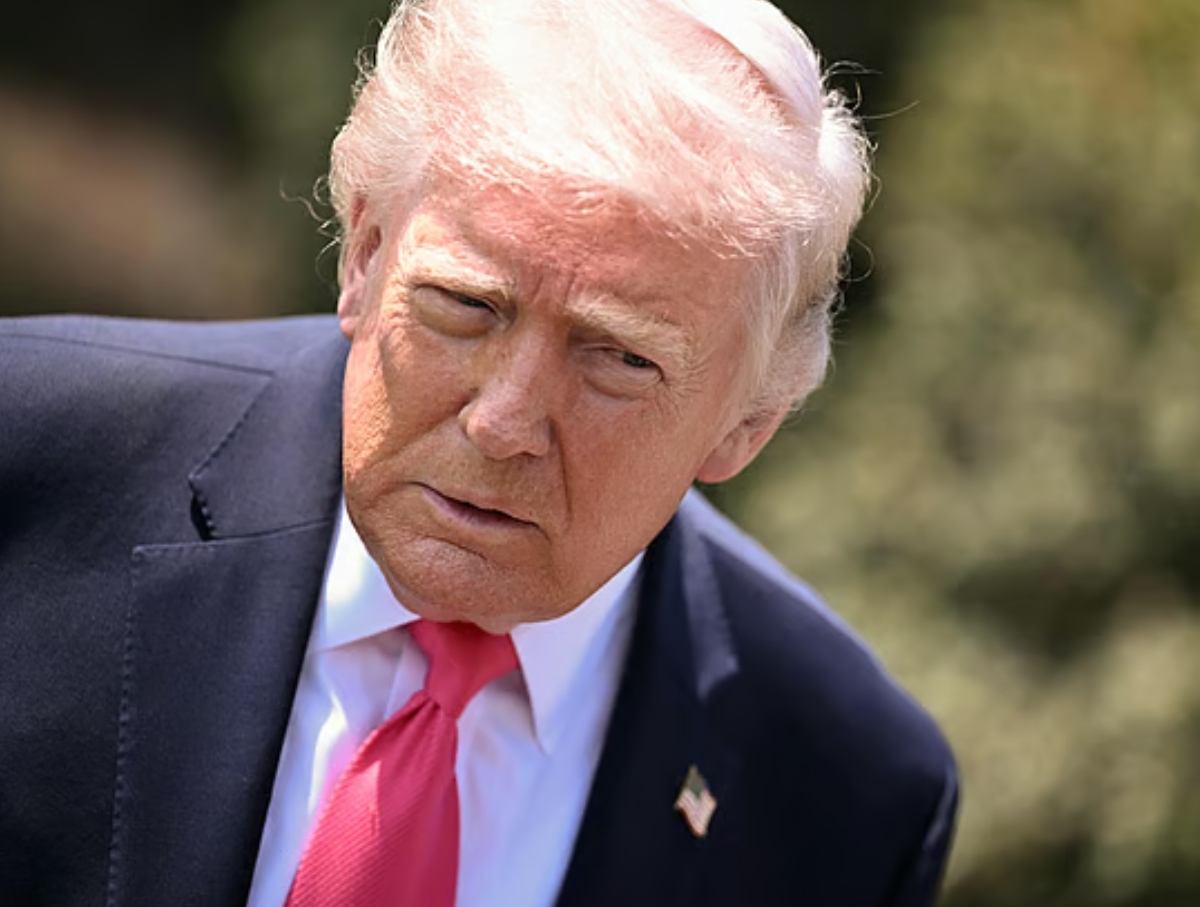
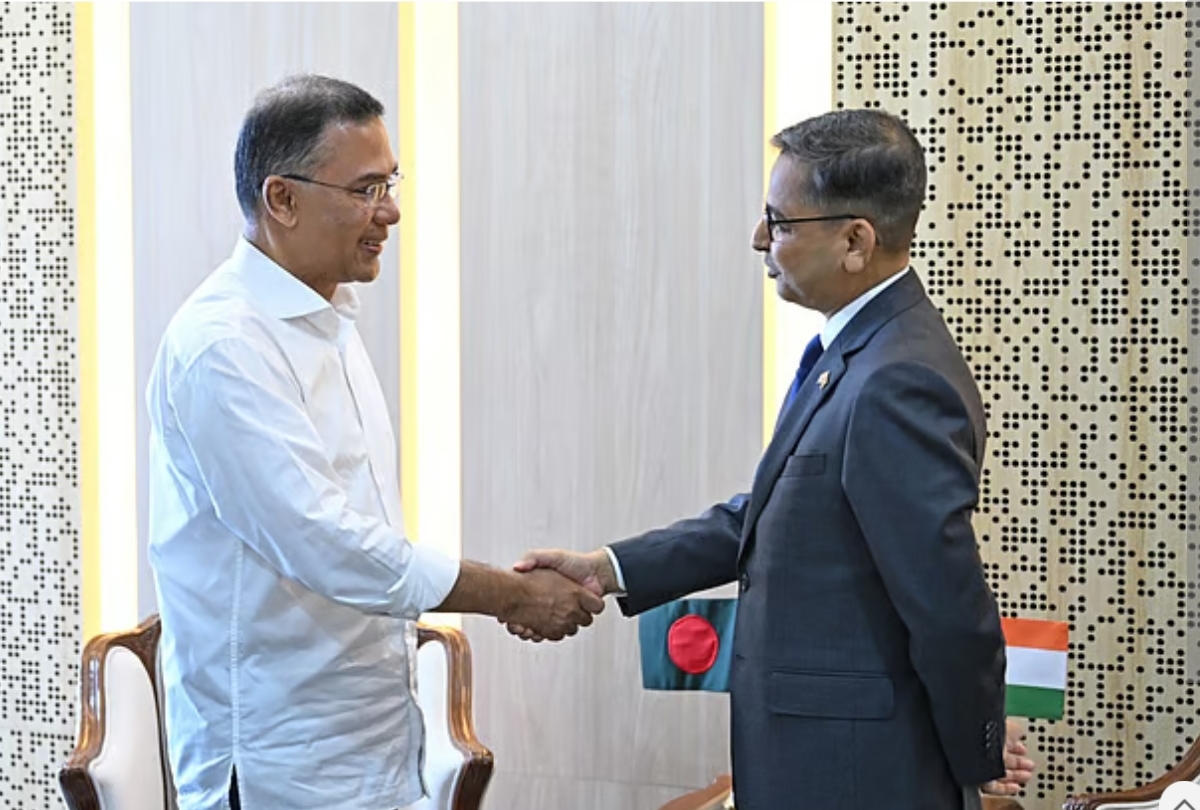
Yet not all relations are smooth. The U.S., once supportive, imposed a steep 37% tariff on Bangladeshi textiles in April 2025, citing a lack of concrete progress on human rights. India has distanced itself diplomatically, particularly in refusing to extradite former Prime Minister Sheikh Hasina from exile.
Nonetheless, the caretaker government’s international diplomacy has helped avoid a major legitimacy crisis. Bangladesh recently hosted a UN forum on Rohingya refugees and secured a seat on the Human Rights Council.
Signs of Progress
Despite the setbacks, the interim government has delivered some tangible achievements:
-
Enforced disappearances and extrajudicial killings have largely ceased.
-
Independent media outlets have reopened.
-
The cabinet includes youth leaders and experts, marking an unprecedented level of diversity and inclusion.
-
Infrastructure projects have resumed, and economic indicators show signs of stabilization.
-
Bangladesh’s global image has improved, with increased donor confidence and diplomatic visibility.
The Road Ahead
The past year has been both transformative and tumultuous. While some of the revolution’s ideals have found expression, many remain aspirations rather than accomplishments. Justice for the July deaths is still pending. Reforms are outlined but not fully realized. Elections are promised but not scheduled.
Bangladesh has avoided collapse—but true renewal remains a work in progress. As the nation looks ahead, the question lingers: will the spirit of the uprising deliver the structural change it promised, or will it be remembered as yet another moment of hope lost to the inertia of history?