Dhaka 9:11 am, Monday, 20 April 2026

Rusty Wheels Still Rolling: Dhaka’s Long Battle with Rickety Buses

Niloy Mridha
  • Update Time : 07:03:17 pm, Monday, 11 August 2025
  • / 392 Time View

As dawn breaks over Dhaka, the streets come alive with worn-out buses sputtering clouds of exhaust into the air. These ageing vehicles—with cracked windshields, broken lights, unreliable brakes, noisy seats, rusted joints, loose bolts, and faulty engines—carry thousands of commuters every day, forcing the city to inhale a toxic mix of fumes and dust.

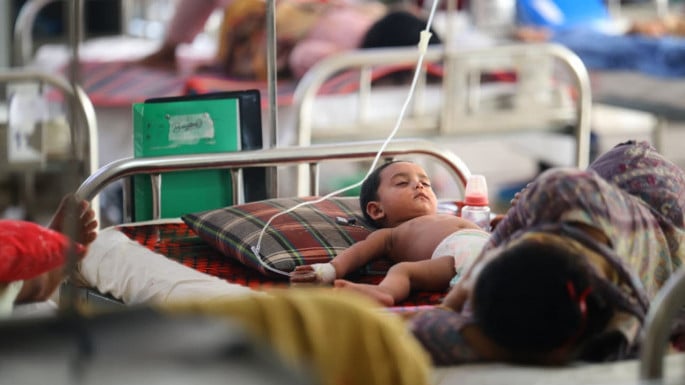
Private vehicles remain out of reach for most residents, leaving the majority dependent on this unsafe and unhealthy transport system. Air pollution, a major public health threat, claims more than 159,000 lives annually in Bangladesh. Breathing Dhaka’s air is roughly equivalent to smoking nearly two cigarettes a day.

On Sunday, as transport owners met with a government adviser to push for extending the operational lifespan of buses and trucks by another five years—and to stop the impounding of old vehicles—passengers’ voices were notably absent from the discussion. These owners had already announced a 72-hour strike, only to withdraw it after the meeting, leaving commuters relieved but facing the same problems for the foreseeable future.

The irony is hard to ignore. For years, policymakers promised to rid the streets of dilapidated public transport. In 2010, the Bangladesh Road Transport Authority (BRTA) was tasked with enforcing a 20-year limit for buses and minibuses, and 25 years for trucks and lorries. Yet political influence and the lobbying power of transport owners stalled the plan for over a decade.

Now, under the current interim administration—one not tied to the transport cartel—there’s an opportunity to finally act. However, at Sunday’s meeting, operators argued that strict enforcement would instantly remove 80% of public transport, crippling the system. Official data tells a different story: of the roughly 300,000–400,000 registered buses, trucks, and vans, around 80,000 have exceeded their age limits.

The case for removing these vehicles is strong. Old diesel and petrol engines produce high levels of particulate matter (PM2.5) and nitrogen oxides, contributing significantly to Dhaka’s ranking as one of the most polluted cities in the world. In 2023, Bangladesh’s average PM2.5 concentration was 16 times the World Health Organization’s recommended limit.

Beyond pollution, the mechanical risks are severe—brake failures, engine breakdowns, and structural weaknesses often lead to deadly accidents. Other cities, like Delhi, have taken bold steps, imposing a 10–15-year limit on public transport, banning fuel sales to outdated vehicles, and using camera systems to identify and remove them from the roads.

Dhaka faces a choice: enforce existing laws and phase out these unsafe, high-emission buses, or continue sacrificing public health and road safety to the demands of a powerful few. The moment for decisive action is here—whether it will be taken remains to be seen.
Tag :

Please Share This Post in Your Social Media

Rusty Wheels Still Rolling: Dhaka’s Long Battle with Rickety Buses

Update Time : 07:03:17 pm, Monday, 11 August 2025

As dawn breaks over Dhaka, the streets come alive with worn-out buses sputtering clouds of exhaust into the air. These ageing vehicles—with cracked windshields, broken lights, unreliable brakes, noisy seats, rusted joints, loose bolts, and faulty engines—carry thousands of commuters every day, forcing the city to inhale a toxic mix of fumes and dust.

Private vehicles remain out of reach for most residents, leaving the majority dependent on this unsafe and unhealthy transport system. Air pollution, a major public health threat, claims more than 159,000 lives annually in Bangladesh. Breathing Dhaka’s air is roughly equivalent to smoking nearly two cigarettes a day.

On Sunday, as transport owners met with a government adviser to push for extending the operational lifespan of buses and trucks by another five years—and to stop the impounding of old vehicles—passengers’ voices were notably absent from the discussion. These owners had already announced a 72-hour strike, only to withdraw it after the meeting, leaving commuters relieved but facing the same problems for the foreseeable future.

The irony is hard to ignore. For years, policymakers promised to rid the streets of dilapidated public transport. In 2010, the Bangladesh Road Transport Authority (BRTA) was tasked with enforcing a 20-year limit for buses and minibuses, and 25 years for trucks and lorries. Yet political influence and the lobbying power of transport owners stalled the plan for over a decade.

Now, under the current interim administration—one not tied to the transport cartel—there’s an opportunity to finally act. However, at Sunday’s meeting, operators argued that strict enforcement would instantly remove 80% of public transport, crippling the system. Official data tells a different story: of the roughly 300,000–400,000 registered buses, trucks, and vans, around 80,000 have exceeded their age limits.

The case for removing these vehicles is strong. Old diesel and petrol engines produce high levels of particulate matter (PM2.5) and nitrogen oxides, contributing significantly to Dhaka’s ranking as one of the most polluted cities in the world. In 2023, Bangladesh’s average PM2.5 concentration was 16 times the World Health Organization’s recommended limit.

Beyond pollution, the mechanical risks are severe—brake failures, engine breakdowns, and structural weaknesses often lead to deadly accidents. Other cities, like Delhi, have taken bold steps, imposing a 10–15-year limit on public transport, banning fuel sales to outdated vehicles, and using camera systems to identify and remove them from the roads.

Dhaka faces a choice: enforce existing laws and phase out these unsafe, high-emission buses, or continue sacrificing public health and road safety to the demands of a powerful few. The moment for decisive action is here—whether it will be taken remains to be seen.