Dhaka 6:01 pm, Friday, 26 June 2026

“Rickshaw Pulling in Dhaka: Livelihood at the Price of Health”

Niloy Mridha
  • Update Time : 03:10:45 pm, Saturday, 23 August 2025
  • / 493 Time View

Dhaka’s Rickshaw Pullers: The Silent Health Emergency

Life on the pedals

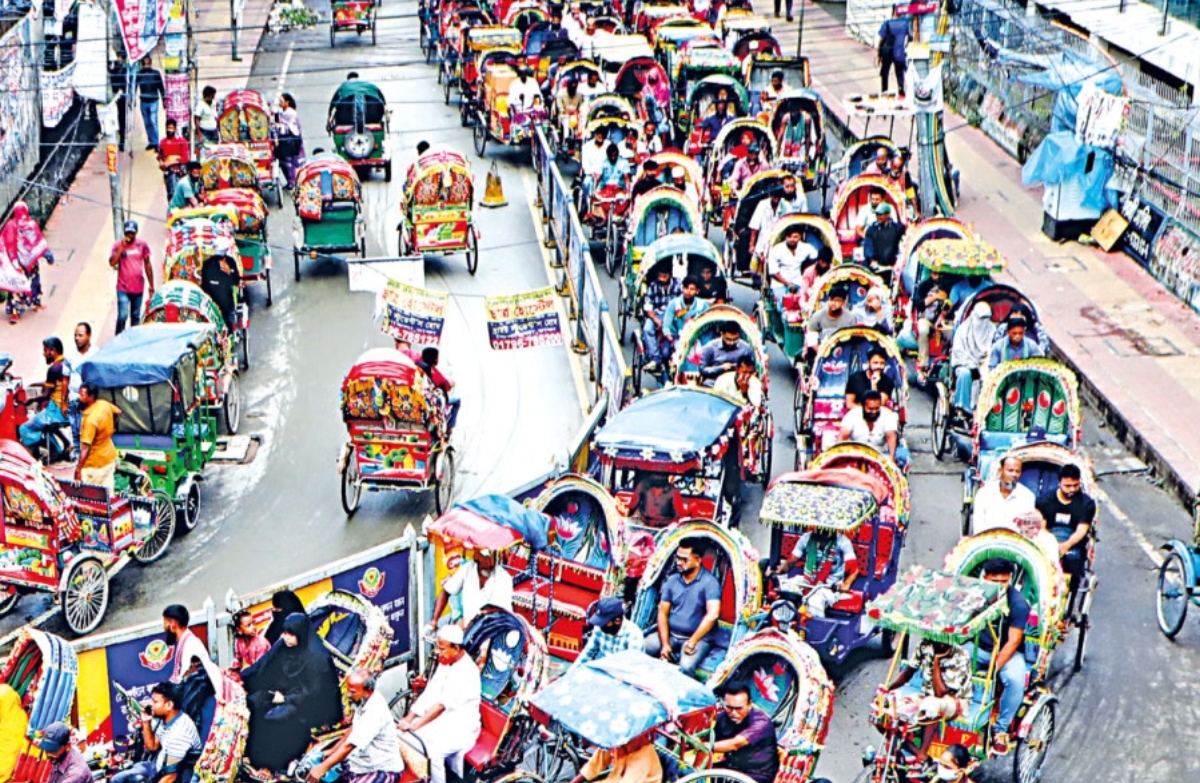
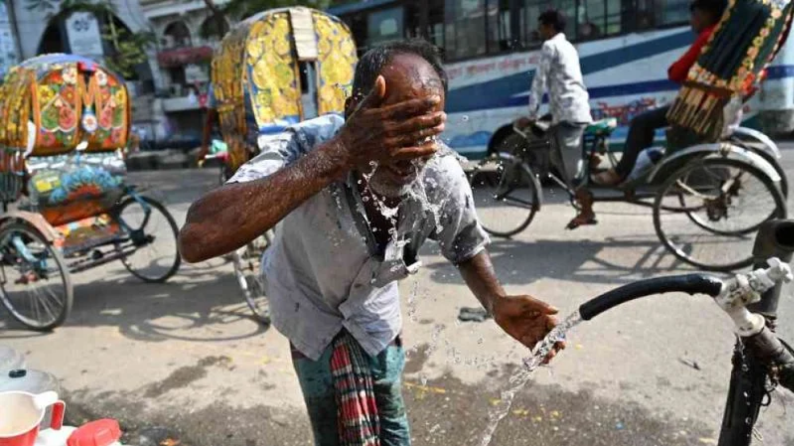
As dawn breaks over Dhaka, the city’s streets begin to fill with the creak of cycle rickshaws. Every day, tens of thousands of rickshaw pullers take to the roads, carrying millions of passengers and keeping the capital moving. But behind this familiar urban rhythm lies a harsh reality—men powering this system face relentless exhaustion, polluted air, and punishing heat, pushing their bodies toward collapse. Their labour sustains the city, yet their struggles remain largely invisible.

From villages to the capital

Most pullers are migrants from rural areas—forced out by poverty, river erosion, or lack of opportunities. With limited education and no technical skills, pulling a rickshaw becomes one of the only ways to survive in Dhaka. According to union representatives, the city counts nearly a million auto-rickshaw drivers and around 60,000 to 80,000 paddle rickshaw pullers.

Their struggle is not only with chaotic traffic, but with fragile health, empty stomachs, and a system that offers them no recognition.

Breathing poison

Dhaka regularly ranks among the most polluted cities worldwide. Spending 10 to 12 hours daily on congested roads, rickshaw pullers inhale fumes that steadily damage their lungs. Environmental scientists estimate that these workers are among the most exposed groups in the capital, with studies showing severe deterioration of respiratory health—up to half of their lung capacity lost as they age.

Bodies under strain

The work itself is brutally physical. Hours of cycling under the blazing sun leave them vulnerable to dehydration, heatstroke, and long-term musculoskeletal problems. Surveys reveal that nearly half suffer joint pain, frequent headaches, or recurring fevers. With limited access to clean drinking water, only a fraction manage to stay adequately hydrated.

Unable to sustain the workload as they grow older, many turn to stimulants—tobacco, alcohol, or cheap drugs—as temporary relief from unending fatigue.

The trap of hunger and poverty

Malnutrition is another constant companion. Meals often consist of plain rice with sparse vegetables or curry, with meat or eggs only occasionally making their way onto plates. Elderly pullers, even after decades of work, still struggle to feed themselves. One veteran in Motijheel, now 75 years old, survives on two small meals a day despite cycling since his youth, while untreated illness worsens his condition.

Street food, often cheap but unhealthy, fills the nutritional gap, leaving many exposed to infections and preventable diseases. Healthcare is a luxury—most rely on pharmacies or home remedies instead of clinics or hospitals.

Economic exploitation

On top of these challenges, financial exploitation deepens their hardship. Many do not own their rickshaws and must rent them daily from garages at fixed rates. If they fail to pay, they lose their vehicle and thus their income. The system leaves them powerless, bound to terms set entirely by owners.

Left outside the law

The harshest reality is their exclusion from legal protection. Bangladesh’s Labour Law covers only the formal workforce, leaving rickshaw pullers—like most informal workers—without rights, insurance, or safeguards. Their unions have faced intimidation and harassment, with leaders reporting threats, lawsuits, and extortion in recent years.

Without legal recognition, they remain invisible to policymakers and are denied the protections that could transform their lives.

A narrow path forward

Some reform efforts are underway. The Labour Reform Commission has suggested bringing informal workers under labour law, while experts advocate for special lanes for non-motorised vehicles, proper licensing, and dedicated health support. Nutrition researchers have even proposed affordable, nutrient-rich supplements tailored to labourers, though such initiatives have yet to reach scale.

The unseen backbone of Dhaka

Despite the neglect, rickshaw pullers continue to power Dhaka’s daily life with remarkable resilience. Their work fuels the city’s mobility, yet their suffering goes unaddressed.

They inhale the city’s toxic air. They sweat through its heatwaves. They push against poverty and malnutrition. And still, the system refuses to protect them.

If Bangladesh aims for genuine inclusive development, rickshaw pullers cannot remain invisible. Recognising them as workers, extending labour protections, ensuring healthcare access, and improving nutrition are not just social reforms—they are matters of basic justice.


Tag :

Please Share This Post in Your Social Media

10

“Rickshaw Pulling in Dhaka: Livelihood at the Price of Health”

Update Time : 03:10:45 pm, Saturday, 23 August 2025

Dhaka’s Rickshaw Pullers: The Silent Health Emergency

Life on the pedals

As dawn breaks over Dhaka, the city’s streets begin to fill with the creak of cycle rickshaws. Every day, tens of thousands of rickshaw pullers take to the roads, carrying millions of passengers and keeping the capital moving. But behind this familiar urban rhythm lies a harsh reality—men powering this system face relentless exhaustion, polluted air, and punishing heat, pushing their bodies toward collapse. Their labour sustains the city, yet their struggles remain largely invisible.

From villages to the capital

Most pullers are migrants from rural areas—forced out by poverty, river erosion, or lack of opportunities. With limited education and no technical skills, pulling a rickshaw becomes one of the only ways to survive in Dhaka. According to union representatives, the city counts nearly a million auto-rickshaw drivers and around 60,000 to 80,000 paddle rickshaw pullers.

Their struggle is not only with chaotic traffic, but with fragile health, empty stomachs, and a system that offers them no recognition.

Breathing poison

Dhaka regularly ranks among the most polluted cities worldwide. Spending 10 to 12 hours daily on congested roads, rickshaw pullers inhale fumes that steadily damage their lungs. Environmental scientists estimate that these workers are among the most exposed groups in the capital, with studies showing severe deterioration of respiratory health—up to half of their lung capacity lost as they age.

Bodies under strain

The work itself is brutally physical. Hours of cycling under the blazing sun leave them vulnerable to dehydration, heatstroke, and long-term musculoskeletal problems. Surveys reveal that nearly half suffer joint pain, frequent headaches, or recurring fevers. With limited access to clean drinking water, only a fraction manage to stay adequately hydrated.

Unable to sustain the workload as they grow older, many turn to stimulants—tobacco, alcohol, or cheap drugs—as temporary relief from unending fatigue.

The trap of hunger and poverty

Malnutrition is another constant companion. Meals often consist of plain rice with sparse vegetables or curry, with meat or eggs only occasionally making their way onto plates. Elderly pullers, even after decades of work, still struggle to feed themselves. One veteran in Motijheel, now 75 years old, survives on two small meals a day despite cycling since his youth, while untreated illness worsens his condition.

Street food, often cheap but unhealthy, fills the nutritional gap, leaving many exposed to infections and preventable diseases. Healthcare is a luxury—most rely on pharmacies or home remedies instead of clinics or hospitals.

Economic exploitation

On top of these challenges, financial exploitation deepens their hardship. Many do not own their rickshaws and must rent them daily from garages at fixed rates. If they fail to pay, they lose their vehicle and thus their income. The system leaves them powerless, bound to terms set entirely by owners.

Left outside the law

The harshest reality is their exclusion from legal protection. Bangladesh’s Labour Law covers only the formal workforce, leaving rickshaw pullers—like most informal workers—without rights, insurance, or safeguards. Their unions have faced intimidation and harassment, with leaders reporting threats, lawsuits, and extortion in recent years.

Without legal recognition, they remain invisible to policymakers and are denied the protections that could transform their lives.

A narrow path forward

Some reform efforts are underway. The Labour Reform Commission has suggested bringing informal workers under labour law, while experts advocate for special lanes for non-motorised vehicles, proper licensing, and dedicated health support. Nutrition researchers have even proposed affordable, nutrient-rich supplements tailored to labourers, though such initiatives have yet to reach scale.

The unseen backbone of Dhaka

Despite the neglect, rickshaw pullers continue to power Dhaka’s daily life with remarkable resilience. Their work fuels the city’s mobility, yet their suffering goes unaddressed.

They inhale the city’s toxic air. They sweat through its heatwaves. They push against poverty and malnutrition. And still, the system refuses to protect them.

If Bangladesh aims for genuine inclusive development, rickshaw pullers cannot remain invisible. Recognising them as workers, extending labour protections, ensuring healthcare access, and improving nutrition are not just social reforms—they are matters of basic justice.