Reform and regulation to end ambulance monopoly

- Update Time : 05:13:26 am, Saturday, 30 August 2025
- / 498 Time View

Breaking the Grip of Bangladesh’s Ambulance Syndicates
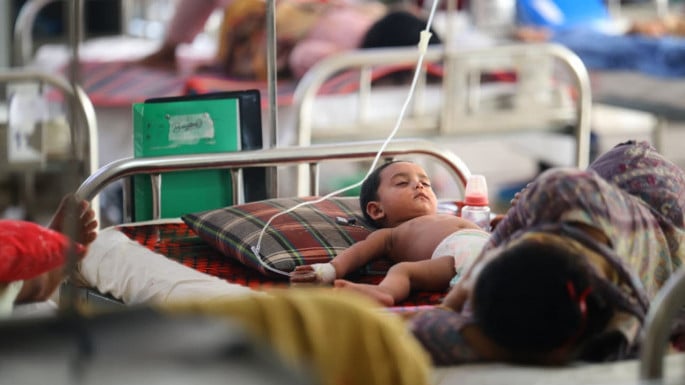
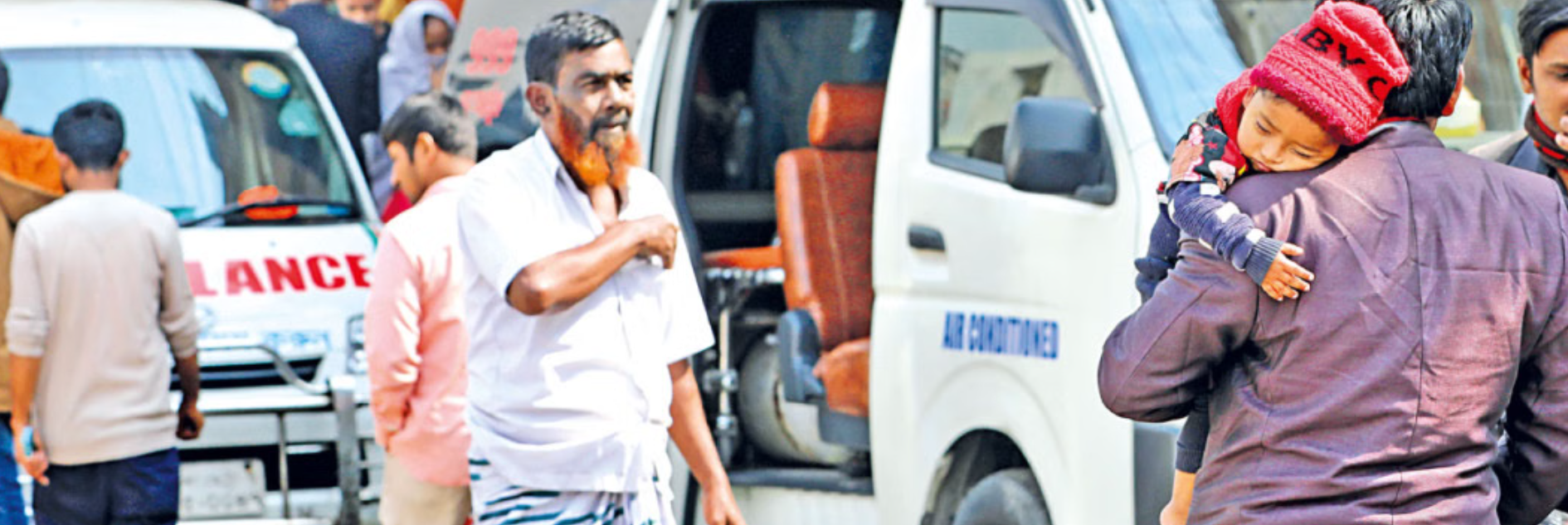
In moments of medical crisis, when every second matters, the ambulance should symbolize hope. Instead, for many in Bangladesh, it often brings added misery. At the gates of major hospitals, both public and private, a hidden network has built a fortress of control. This “ambulance syndicate” exploits patients and their families through inflated fares, intentional delays, and unsafe services, turning a life-saving necessity into a profit machine.
The absence of clear regulation, coordination, and national policy has allowed this mafia-style business to flourish. If Bangladesh truly wants to achieve universal health coverage, dismantling this exploitative system is no longer optional—it is essential. The critical question is: how?
Lessons from Abroad
Sri Lanka’s Suwaseriya 1990 service offers a powerful example. Launched less than a decade ago, it provides free nationwide ambulance care under a single hotline: 1990. Calls are routed to a central hub where AI-driven technology analyses the patient’s location, traffic flow, and ambulance availability to send the vehicle that will arrive quickest—not just the nearest. The result: a reliable, cost-free service that has reached millions, erasing space for syndicates to exploit desperate patients. Even during economic turmoil, Sri Lanka has kept the service alive.
Pakistan has followed a different but equally effective route. Its state-run Rescue 1122 offers rapid response, with trained paramedics who can deliver critical care during the “golden hour.” Alongside this, the Edhi Foundation, the world’s largest volunteer ambulance network, provides free or low-cost services funded entirely by donations. Together, these two models have largely neutralised exploitative ambulance markets.
Smaller countries provide lessons too. In Laos, the capital’s Vientiane Rescue—a citizen-led, volunteer service—proves that even without massive resources, commitment and community spirit can create a trustworthy emergency response system.
A Roadmap for Bangladesh
1. Building a unified system
Bangladesh needs a single, toll-free national ambulance hotline, integrating both public and private providers into one coordinated network. Motorcycle ambulances could navigate Dhaka and Chattogram’s congested streets, while boat ambulances should serve flood-prone and rural regions. Drivers must be trained as paramedics, ensuring patients get medical support on the way—not just a ride.
2. Ensuring sustainable funding
The state should fully cover costs for critical emergencies such as strokes, cardiac arrests, maternal complications, and serious accidents. For less urgent cases, a regulated pricing system must be introduced to prevent extortion. Longer-term, ambulance services should be linked with health insurance and a national trust fund, supported by CSR contributions, Zakat, and public donations.
3. Restoring public trust
An ambulance should be recognised as a basic right, not a commercial product. Public awareness campaigns must encourage citizens to use the official hotline rather than rely on middlemen at hospital gates. Community-based pilot projects, in collaboration with trusted organisations like the Red Crescent, could strengthen this sense of public ownership. Strong monitoring by health authorities, coupled with strict penalties against syndicates, is essential.
The Way Forward
Breaking the ambulance syndicate’s stranglehold will not be easy, but it is achievable. Other nations have shown that with political will, technology, and public trust, even resource-constrained countries can build fast, affordable, and humane emergency transport systems.
When lives are on the line, every second counts. Bangladesh cannot afford to wait.