Moheshkhali-Matarbari set to emerge as Bangladesh’s blue economy hub

- Update Time : 01:36:16 pm, Thursday, 11 September 2025
- / 453 Time View

Bangladesh Eyes Blue Economy Breakthrough with Moheshkhali-Matarbari Mega Plan
Bangladesh is setting out on a bold new path to unlock the potential of its coastline by building a global hub for the blue economy. Central to this vision is the Moheshkhali-Matarbari region, where the government aims to develop the country’s first integrated maritime and coastal growth center. The initiative seeks to combine sustainable use of ocean resources with long-term economic expansion, job creation, and environmental protection.
The plan, overseen by the newly formed Moheshkhali Integrated Development Authority (MIDA), is designed as a 30-year master project, stretching from 2025 to 2055.
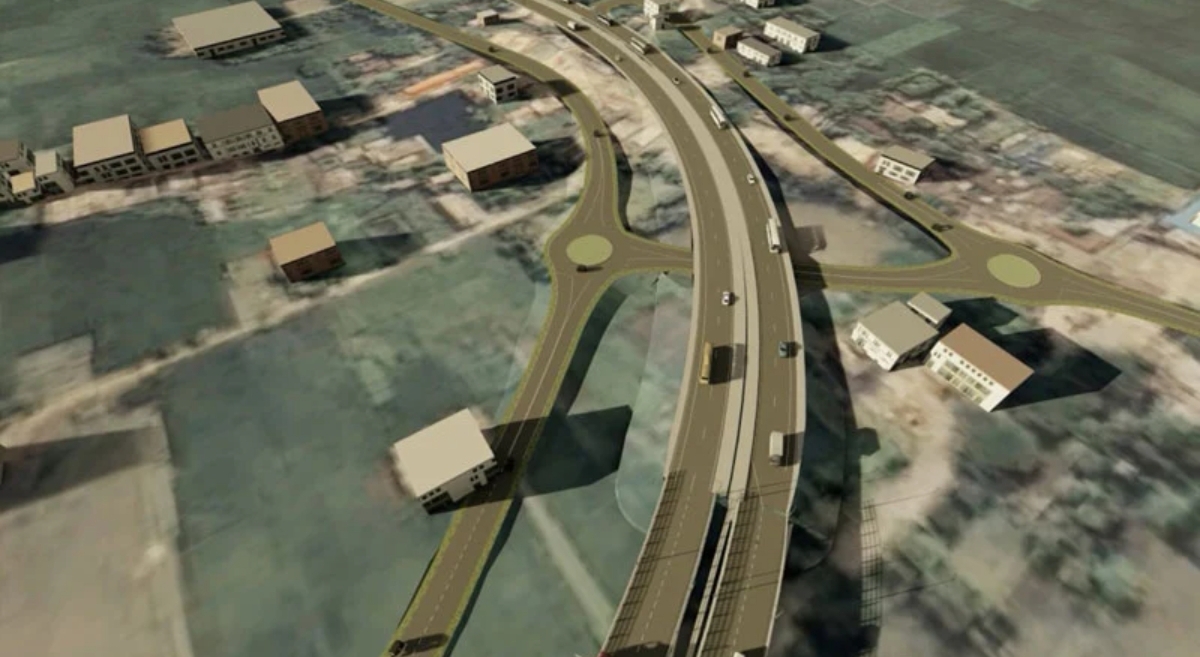
At its core are several large-scale ventures: a state-of-the-art deep-sea port, multi-purpose energy terminals, new highways and transport links, and industrial clusters that will make the region a gateway between South Asia and Southeast Asia.
Investment and Economic Potential
MIDA estimates that $60–65 billion in investment could flow into the region over three decades. Projections suggest the return will be much larger — up to $150 billion in GDP contribution by 2055. The development is also expected to generate 2.5 million new jobs nationwide.
Calling the initiative a “national turning point”, MIDA Chief Adviser Professor Muhammad Yunus said the sea must become Bangladesh’s “highway to the world.” He emphasized that the project is not just about port infrastructure, but about creating a new coastal city that is globally competitive, environmentally sustainable, and socially inclusive.
Deep-Sea Port and Connectivity
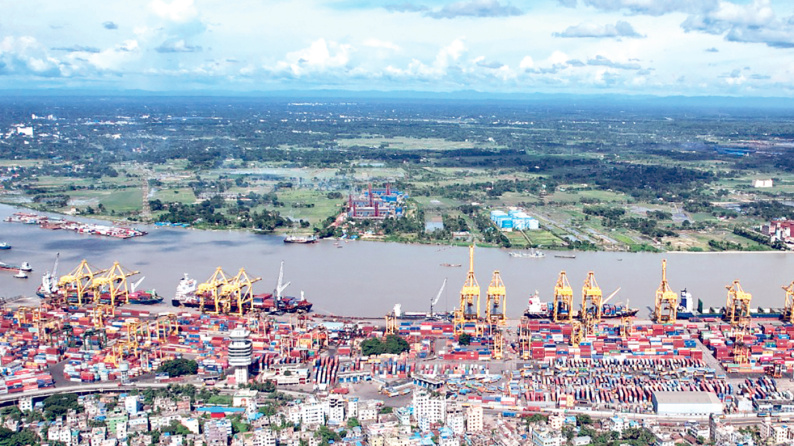
The centerpiece is the Matarbari Deep-Sea Port, scheduled to begin operations by 2026 or 2027. Once complete, it will be the country’s most advanced maritime facility, capable of handling large international container ships. New highways and transport corridors will link the port to domestic markets and regional trade routes.
Energy Hub in the Making
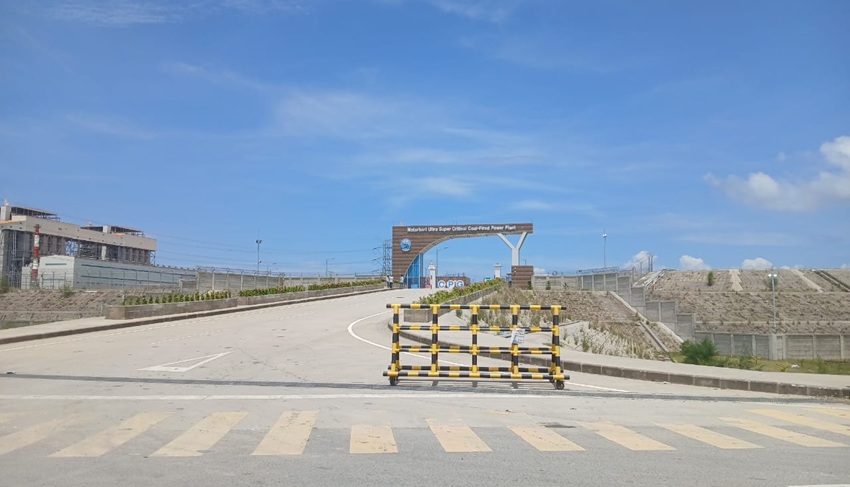
Moheshkhali is simultaneously evolving into Bangladesh’s key energy hub. LNG, LPG, oil storage, and power generation facilities are under construction. A 1,200 MW coal-fired power plant is already in operation, while renewable energy options are being explored to meet sustainability goals.
Beyond Industry: Research, Tourism, and Sustainability
The blueprint also includes research and training institutions for marine science, fisheries, and oceanography. Eco-tourism projects, conservation programs, and sustainable urban planning are being developed to balance growth with environmental care.
Regional and Global Significance
Experts believe Moheshkhali-Matarbari could become an economic corridor rivaling Chattogram, potentially rising to the level of global logistics and energy hubs such as Singapore or Shanghai. Its location also makes it an attractive transit point for landlocked nations like Nepal and Bhutan.
Local Hopes
Local residents are cautiously optimistic.
-
Syed Noor, a Moheshkhali resident, said the project could transform living standards if managed responsibly, creating jobs and education opportunities.
-
Jamal Miah of Matarbari added that the area has long suffered from limited employment, but the arrival of industry and infrastructure could finally change that.
A New Chapter for the Coastline
As the first major development in Bangladesh structured entirely on a blue economy model, the Moheshkhali-Matarbari transformation signals a fundamental shift — redefining the sea not as a boundary but as a pathway to opportunity, regional integration, and national progress.