Asif Nazrul Calls for Balance of Power Between Bangladesh’s Prime Minister and President

- Update Time : 03:11:06 pm, Saturday, 24 October 2026
- / 47 Time View
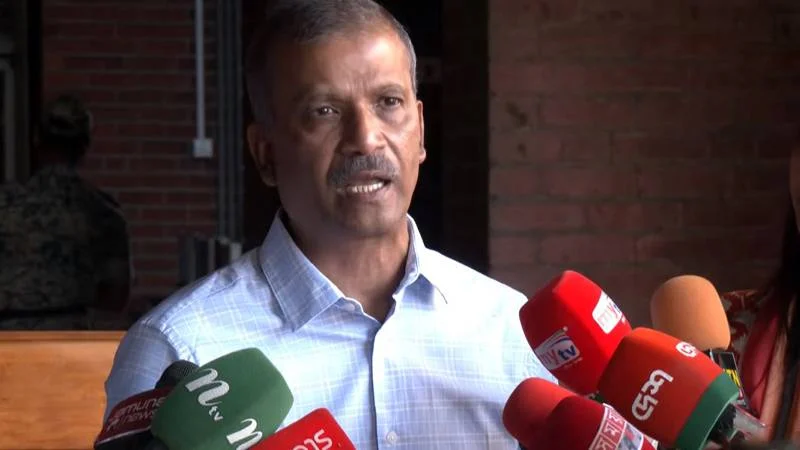

Former adviser to Bangladesh’s interim government Asif Nazrul has called for a better balance of power between the prime minister and the president, greater judicial independence, stronger parliamentary standing committees and reforms to appointment procedures for constitutional institutions.
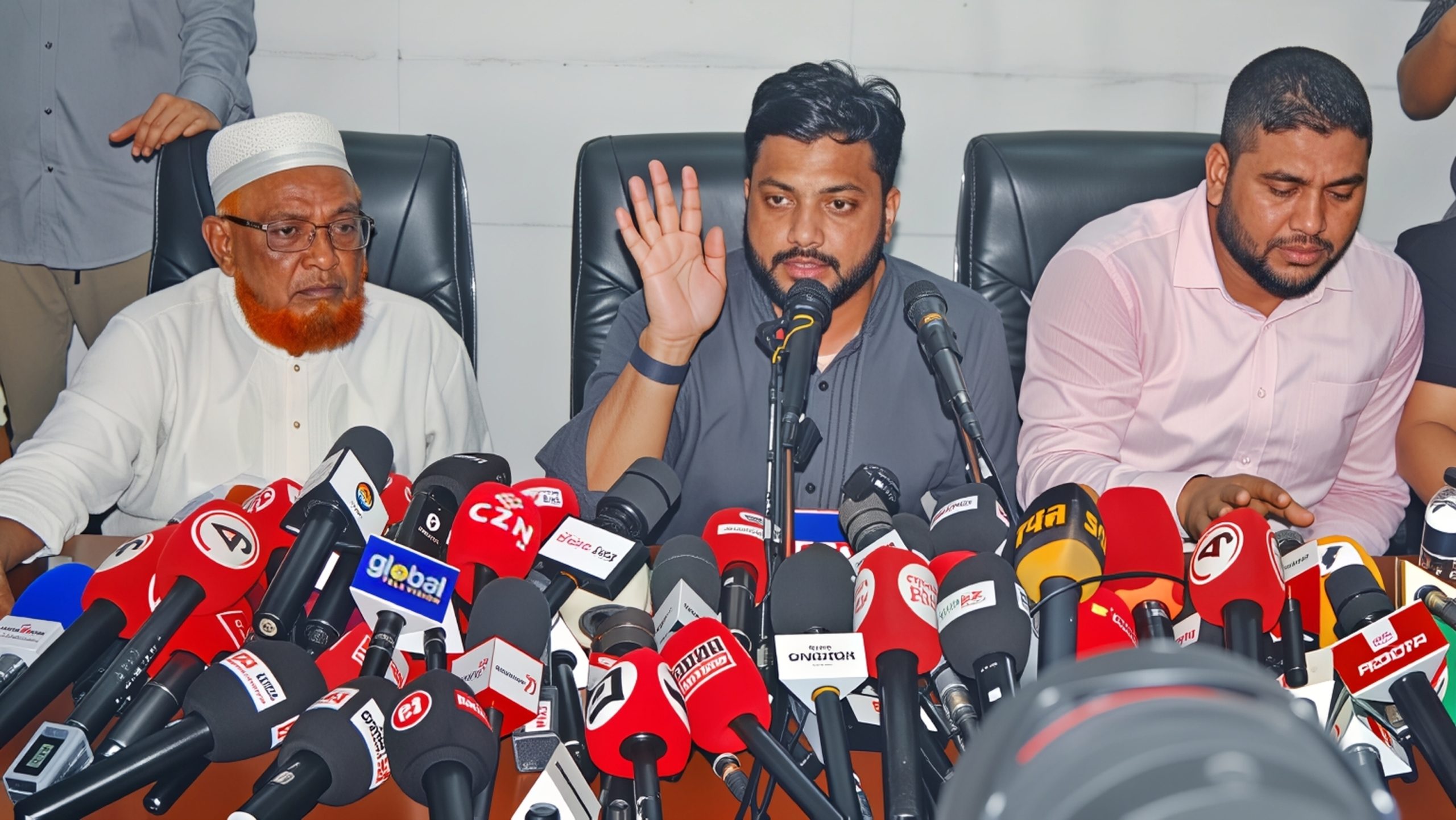
He made the remarks while speaking to journalists on Saturday afternoon after a meeting of the special committee on constitutional amendments at the National Parliament building.
Nazrul, a professor of law at the University of Dhaka, said any positive change to the Constitution could be considered a reform. However, he stressed that amendments must give the highest priority to the aspirations of the July mass uprising and public expectations.
Describing the committee meeting as cordial, Nazrul said its head, Salahuddin Ahmed, had allowed participants to express their views freely. Discussions covered key constitutional provisions, the country’s constitutional framework and ways to make democratic institutions more effective.
According to Nazrul, the meeting addressed the need to balance authority between the prime minister and the president, establish checks and balances within the executive branch, and strengthen the performance of constitutional institutions. Participants also exchanged views on judicial independence, empowering parliamentary standing committees and reforming appointment procedures for constitutional bodies.
Opposition Members Proposed to Lead Key Parliamentary Committees
Nazrul said he had requested that opposition lawmakers be appointed as chairpersons of several important parliamentary standing committees.
He noted that these committees play a vital role in ensuring accountability and maintaining a balance of power in parliamentary proceedings. Appropriate measures are needed to allow them to perform their duties independently and effectively, he said.
Referring to Article 76 of the Constitution, Nazrul urged the authorities to use the provision’s scope for legislation to ensure that standing committees could function properly.
He said the home minister had indicated that an initiative to enact legislation would be taken. However, the meeting did not provide a response to the proposal that opposition members should lead key standing committees.
Concerns Over Judicial Independence
Nazrul expressed personal disappointment over the apparent exclusion of proposals concerning the Supreme Court Judges Appointment Act and the Supreme Court Secretariat Act from the reform process.
He argued that transparent and effective procedures for appointing judges, alongside stronger institutional capacity within the judiciary, were essential to safeguarding judicial independence.
Nazrul said he had reminded the committee that the Bangladesh Nationalist Party (BNP) had also made commitments supporting such initiatives.
According to him, the law minister responded that the issues had not been completely abandoned and that legislative initiatives could be pursued later.
Nazrul said the progress of these proposed laws would be important in determining whether judicial independence could be strengthened.
Caretaker Government System Remains Contentious
The committee also held extensive discussions on the caretaker government system, Nazrul said.
Given the politically sensitive and controversial nature of the issue, he argued that a decision should be based on consensus among political parties.
He noted that the July Charter outlined multiple methods for forming a caretaker government. In his assessment, political parties had reached agreement on eight of the nine proposed methods, while one issue remained unresolved.
Nazrul urged political parties not to allow a single disagreement to derail the entire process. Instead, he called for further discussions with the relevant opposition parties to find an acceptable solution.
He also requested that opposition lawmakers be included in the discussions. The committee, he said, informed him that it had already made efforts to address the issue and explained the initiatives undertaken so far.
Nazrul Warns Against Ignoring the July Uprising’s Aspirations
Nazrul emphasized that the constitutional amendment process must reflect the aspirations that emerged from the July mass uprising.
He said the current committee’s deliberations were taking place in the context of that uprising and should draw lessons from past experiences to deliver more effective and meaningful reforms.
Recounting his previous experience, Nazrul said he had been invited to share his views with a parliamentary committee on constitutional amendments in 2011, during the Awami League government.
He had participated with high expectations, he said, but those expectations were not fulfilled. He urged the current committee to ensure that similar disappointment was not repeated.
The hopes generated among the public by the July uprising, he added, should be reflected in the constitutional reform initiative.
Electoral Reforms and Article 70 Also Discussed
Nazrul said the committee also discussed the electoral system and Article 70 of the Constitution, alongside a review of appointment procedures for constitutional institutions and measures to improve the effectiveness of state bodies.
No final decisions have been reached on these matters, he said, adding that the committee’s work remains at the discussion and consultation stage.
Addressing the debate over holding a referendum, establishing a constitutional reform council or introducing changes through the constitutional amendment committee, Nazrul said these questions had become subjects of political disagreement. He said he did not want to become involved in that debate.
Instead, he maintained that any positive constitutional change could be regarded as reform.
“What matters more than the process followed to change the Constitution is whether the desired objectives are achieved,” his position suggested.
He stressed that attention should focus on whether the changes make state institutions more effective, establish a better balance within the democratic system and fulfil public expectations.