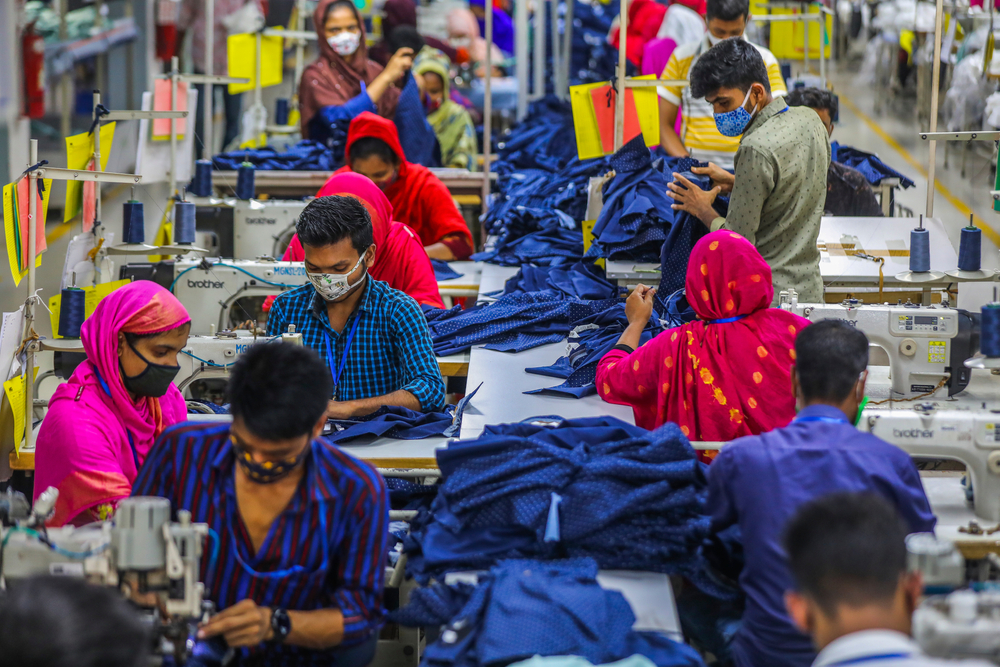
Daily Extortion Worth Hundreds of Crores from 3,000 Spots Nationwide

- Update Time : 07:18:12 pm, Sunday, 22 February 2026
- / 378 Time View
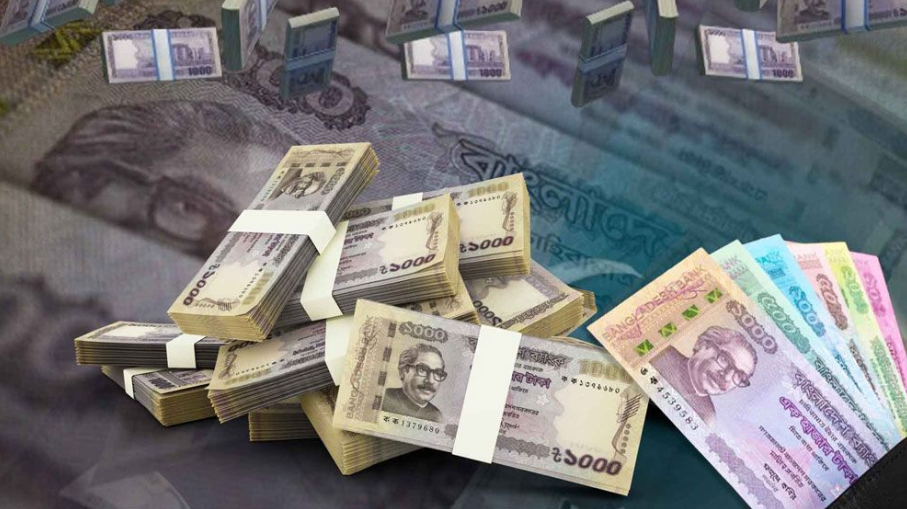

Nearly 3,000 locations across the country, including the capital, are reportedly collecting close to Tk 100 crore in extortion money every day. Allegations suggest that transport owners’ associations, workers’ unions, certain members of law enforcement agencies, and political activists are involved in these collections.
Information gathered from regional correspondents and reliable sources indicates that most of the money is extracted through intimidation and coercion.
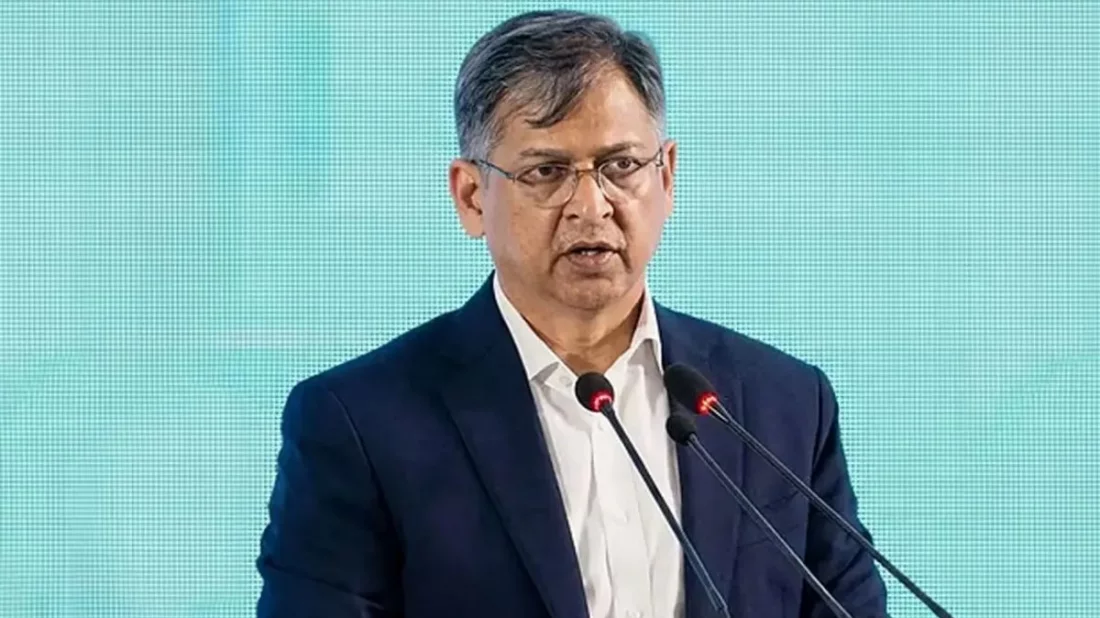
When asked about the issue, Road Transport, Bridges, Railways and Water Transport Minister Sheikh Robiul Alam said he does not deny the existence of extortion. He distinguished between “voluntary contributions” and “forced extortion,” stating that while voluntary payments may exist, he does not support coercive collection. He described extortion as a criminal offense and said enforcement action falls under the jurisdiction of the police or the Home Ministry. If necessary, a joint investigation committee involving relevant ministries could be formed.
Sources claim that money is collected under various labels, such as terminal management fees, parking charges, or additional municipal tolls. Allegations also point to the involvement of certain dishonest officials from traffic police, highway police, local police stations, and intelligence agencies. Transport owners and drivers reportedly continue paying these fees year after year due to lack of alternatives.
Industry insiders say these unofficial payments increase transport fares, which in turn push up the prices of vegetables and other essential goods. Ultimately, ordinary citizens bear the financial burden. Despite changes in government, influential syndicates allegedly continue operating without interruption.
Critics argue that although collections are justified in the name of worker welfare, in reality most payments are forced. Drivers and conductors reportedly face vehicle damage or physical assault if they fail to pay. It is also unclear how the collected funds are distributed or who benefits from them.
Some transport workers and small owners claim that certain labor and owner leaders have built significant wealth and political influence through these collections. They allege that regardless of political changes, powerful figures across parties maintain mutual understandings to preserve the system.
Meanwhile, ordinary transport workers often struggle with low wages despite their demanding work conditions. Observers say that strong road safety reforms are sometimes resisted by influential groups. As a result, effective measures against extortion are rarely implemented.
Recent remarks by the minister suggesting that certain payments function like an “unwritten rule” for welfare spending have sparked widespread debate on social media.
Passenger welfare groups estimate that thousands of city buses, long-distance buses, trucks, auto-rickshaws, battery-run rickshaws, and other vehicles contribute daily payments. Combined calculations suggest the total collected from the transport sector alone may reach approximately Tk 100 crore per day.
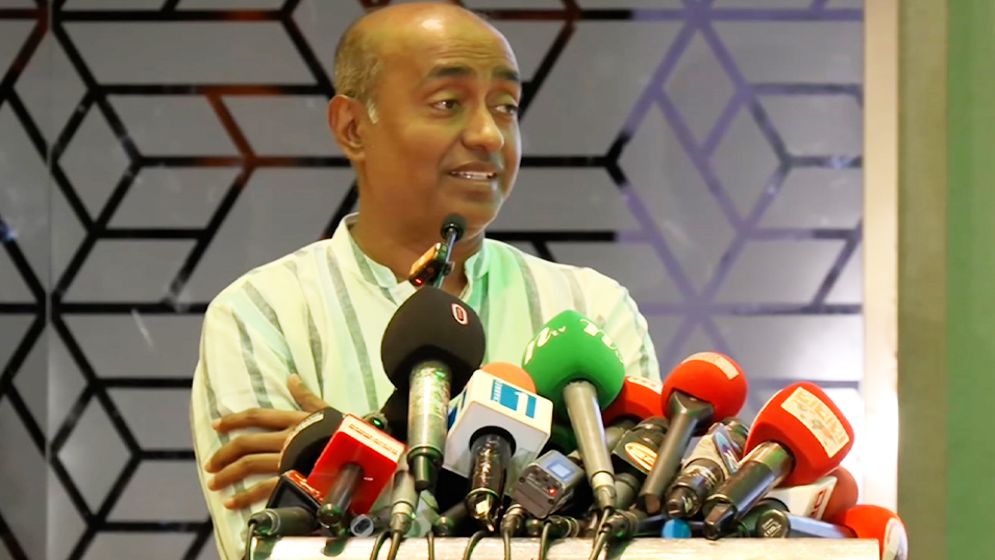
Mozammel Haque Chowdhury, Secretary General of the Bangladesh Passenger Welfare Association, stated that both voluntary contributions and forced extortion exist on the roads. He alleged that various transport organizations and some members of law enforcement are involved. He also suggested that introducing digital fare systems and automated traffic enforcement could significantly reduce extortion.
Leaders of transport labor and owner associations, however, maintain that some payments are legitimate management costs agreed upon by stakeholders. At the same time, they acknowledge that additional unofficial payments are demanded in certain areas, particularly from goods-carrying trucks.
A senior Highway Police official said authorities are taking a strict stance against extortion on highways and that incidents have significantly declined there. However, some allegations persist regarding collections centered around transport terminals.