Dhaka 2:22 pm, Sunday, 8 November 2026

No One Should Be Allowed to Turn Bangladesh into a Subservient State Again: PM Tarique Rahman

Reporter Name
  • Update Time : 06:46:04 am, Saturday, 7 November 2026
  • / 54 Time View

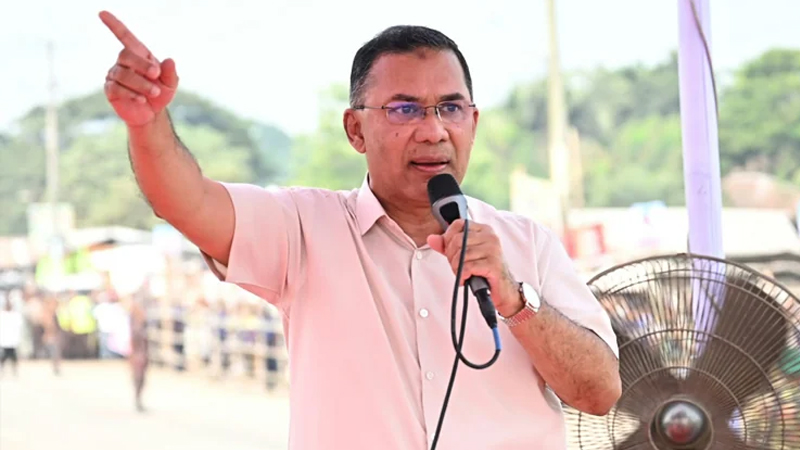
Prime Minister Tarique Rahman has called for national unity to protect Bangladesh’s independence, sovereignty and people’s rights, declaring that no one should be allowed to turn the country into a subservient state again.

“Let this November 7 be marked by a firm commitment that no one will ever again be able to deprive the country of its independence, sovereignty and people’s rights and turn Bangladesh into a subservient state,” he said.

He stressed that national unity was essential to fulfilling this commitment, adding that the spirit of the 1975 Sepoy-People’s Revolution must be embraced to strengthen unity in Bangladesh’s socioeconomic, geographical and political realities.

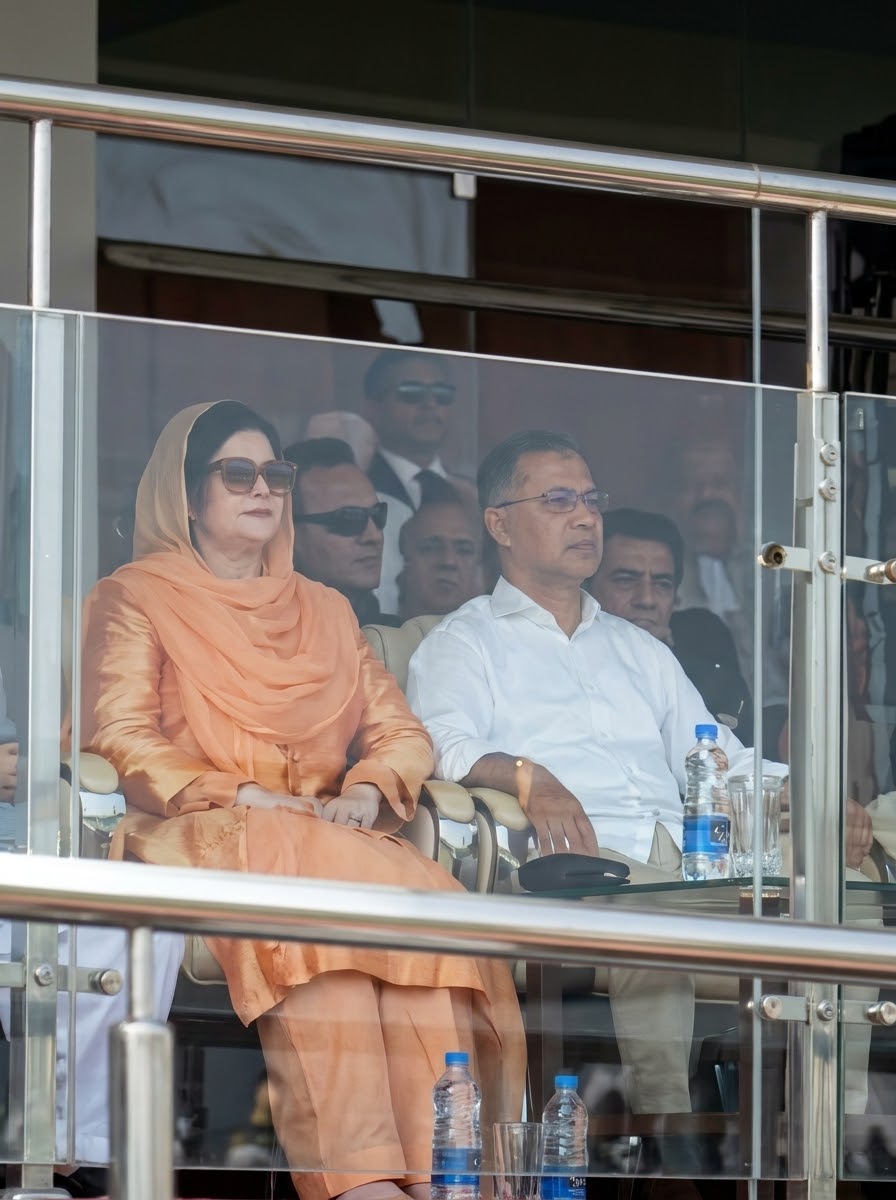
The prime minister made the remarks as the chief guest at an event marking Historic November 7 National Revolution and Solidarity Day 2026 at the Army Stadium in Banani, Dhaka, on Saturday.

Tarique Rahman said the 1971 Liberation War, the Sepoy-People’s Revolution of November 7, 1975, the anti-autocracy movement of 1990 and the anti-fascist mass uprising of 2024 had all demonstrated that the people of Bangladesh had never compromised on national interests, independence and sovereignty.

“Above everything else, Bangladesh comes first to its people,” he said.

Describing November 7 as a significant and proud day for patriotic, freedom-loving and democratic-minded citizens, the prime minister said that on this day in 1975, patriotic members of the armed forces and civilians had united to resist what he described as conspiracies against the country’s independence and sovereignty.

He said conspiracies against Bangladesh had intensified during the first week of November 1975. As part of those developments, then Army Chief Lieutenant General Ziaur Rahman was placed under house arrest with his family on the night of November 3.

According to the prime minister, the united action of soldiers and civilians thwarted efforts to undermine national interests while the country’s independence leader remained confined.

He said those who sought to turn Bangladesh into a dependent state, strip citizens of their democratic and political rights, establish one-party rule and undermine the honour and dignity of the armed forces were defeated through the historic events of November 7, 1975.

However, Tarique Rahman claimed that the defeated forces continued their attempts to regain influence and later reorganised themselves to turn the country into a subservient state once again.

He also referred to the Pilkhana killings, saying the planned massacre had damaged the honour and standing of the armed forces. He further alleged that democratic and political rights were taken away from citizens under an authoritarian system.

The prime minister said those forces were defeated through the 2024 student-people uprising, which came at the cost of thousands of lives and freed the country from what he described as fascist rule.

He paid tribute to those killed or injured during the prolonged anti-fascist movement and the 2024 uprising.

“While the 1971 war was a struggle to achieve independence, 2024 was a struggle to protect the independence of the country and its people,” he said.

Referring to the mass participation in the streets on August 5, 2024, he drew a parallel with November 7, 1975, when soldiers and civilians united to resist what he described as threats to the country’s independence and sovereignty.

He said history had demonstrated that November 7, 1975, was a defining moment in determining Bangladesh’s future direction. Whenever the country moved away from the spirit of November 7, he added, its independence and the sovereignty of its people had come under threat.

Tarique Rahman stressed that citizens of all religions and communities shared one common identity as Bangladeshis.

“Whether Muslim, Hindu, Buddhist, Christian or from an ethnic minority, the proud identity of every citizen of this country is one—we are Bangladeshis,” he said.

He added that this shared identity had helped unite the nation and that November 7 had further strengthened the foundations of Bangladeshi nationalism. The significance of the united revolution of soldiers and civilians, he said, would remain relevant for as long as Bangladesh existed.

The prime minister also paid deep tribute to Shaheed President Ziaur Rahman, saying he had stood for the country’s independence and sovereignty on November 7, 1975, just as he had declared independence and fought on the frontlines during the 1971 Liberation War.

Addressing the younger generation, Tarique Rahman said a nation’s history was not merely a record of past events but a source of identity, dignity and inspiration for building a collective future.

He highlighted the participation of thousands of children and young people in presenting Bangladesh’s historical background through the November 7 programme.

If the younger generation remained united and inspired by the spirit of November 7, Bangladesh would not lose its way, he said. He added that national unity could not be strengthened if young people were not inspired by a sense of national identity.

The prime minister said achieving independence was a historic source of pride, but preserving that achievement and making independence meaningful was the responsibility of every generation.

He particularly called on young people to uphold the principles of independence and work towards building a safe, prosperous, humane and dignified Bangladesh.

Emphasising the responsibility of guardians and society to create an environment where young people could develop their full potential, he said the government was committed to building a prosperous future.

Calling on citizens to uphold patriotism and democratic values, he urged them to make the slogan of the day:

“Neither Delhi nor Pindi, nor anyone else—Bangladesh comes first.”

Tarique Rahman thanked the National Revolution and Solidarity Day 2026 Celebration Committee, the Ministry of Defence, the Armed Forces Division, the Bangladesh Army, the Bangladesh National Cadet Corps (BNCC), Bangladesh Scouts and the people of the country for organising the event.

The programme began with the screening of a historical documentary on the November 7 National Revolution and Solidarity Day.

The prime minister, who is also chairman of the BNP, attended a special exhibition organised to mark the historic occasion.

The event was organised under the direction of the Ministry of Defence and supervised by the Armed Forces. Around 3,000 BNCC cadets and 500 members of Bangladesh Scouts participated in the special presentation.

Prime Minister’s wife Dr Zubaida Rahman, advisers, members of parliament, representatives of diplomatic missions, chiefs of the three armed services, military and civilian officials, students, young people, BNCC cadets, Scouts members and invited guests were also present.
Tag :

Please Share This Post in Your Social Media

No One Should Be Allowed to Turn Bangladesh into a Subservient State Again: PM Tarique Rahman

Update Time : 06:46:04 am, Saturday, 7 November 2026

Prime Minister Tarique Rahman has called for national unity to protect Bangladesh’s independence, sovereignty and people’s rights, declaring that no one should be allowed to turn the country into a subservient state again.

“Let this November 7 be marked by a firm commitment that no one will ever again be able to deprive the country of its independence, sovereignty and people’s rights and turn Bangladesh into a subservient state,” he said.

He stressed that national unity was essential to fulfilling this commitment, adding that the spirit of the 1975 Sepoy-People’s Revolution must be embraced to strengthen unity in Bangladesh’s socioeconomic, geographical and political realities.

The prime minister made the remarks as the chief guest at an event marking Historic November 7 National Revolution and Solidarity Day 2026 at the Army Stadium in Banani, Dhaka, on Saturday.

Tarique Rahman said the 1971 Liberation War, the Sepoy-People’s Revolution of November 7, 1975, the anti-autocracy movement of 1990 and the anti-fascist mass uprising of 2024 had all demonstrated that the people of Bangladesh had never compromised on national interests, independence and sovereignty.

“Above everything else, Bangladesh comes first to its people,” he said.

Describing November 7 as a significant and proud day for patriotic, freedom-loving and democratic-minded citizens, the prime minister said that on this day in 1975, patriotic members of the armed forces and civilians had united to resist what he described as conspiracies against the country’s independence and sovereignty.

He said conspiracies against Bangladesh had intensified during the first week of November 1975. As part of those developments, then Army Chief Lieutenant General Ziaur Rahman was placed under house arrest with his family on the night of November 3.

According to the prime minister, the united action of soldiers and civilians thwarted efforts to undermine national interests while the country’s independence leader remained confined.

He said those who sought to turn Bangladesh into a dependent state, strip citizens of their democratic and political rights, establish one-party rule and undermine the honour and dignity of the armed forces were defeated through the historic events of November 7, 1975.

However, Tarique Rahman claimed that the defeated forces continued their attempts to regain influence and later reorganised themselves to turn the country into a subservient state once again.

He also referred to the Pilkhana killings, saying the planned massacre had damaged the honour and standing of the armed forces. He further alleged that democratic and political rights were taken away from citizens under an authoritarian system.

The prime minister said those forces were defeated through the 2024 student-people uprising, which came at the cost of thousands of lives and freed the country from what he described as fascist rule.

He paid tribute to those killed or injured during the prolonged anti-fascist movement and the 2024 uprising.

“While the 1971 war was a struggle to achieve independence, 2024 was a struggle to protect the independence of the country and its people,” he said.

Referring to the mass participation in the streets on August 5, 2024, he drew a parallel with November 7, 1975, when soldiers and civilians united to resist what he described as threats to the country’s independence and sovereignty.

He said history had demonstrated that November 7, 1975, was a defining moment in determining Bangladesh’s future direction. Whenever the country moved away from the spirit of November 7, he added, its independence and the sovereignty of its people had come under threat.

Tarique Rahman stressed that citizens of all religions and communities shared one common identity as Bangladeshis.

“Whether Muslim, Hindu, Buddhist, Christian or from an ethnic minority, the proud identity of every citizen of this country is one—we are Bangladeshis,” he said.

He added that this shared identity had helped unite the nation and that November 7 had further strengthened the foundations of Bangladeshi nationalism. The significance of the united revolution of soldiers and civilians, he said, would remain relevant for as long as Bangladesh existed.

The prime minister also paid deep tribute to Shaheed President Ziaur Rahman, saying he had stood for the country’s independence and sovereignty on November 7, 1975, just as he had declared independence and fought on the frontlines during the 1971 Liberation War.

Addressing the younger generation, Tarique Rahman said a nation’s history was not merely a record of past events but a source of identity, dignity and inspiration for building a collective future.

He highlighted the participation of thousands of children and young people in presenting Bangladesh’s historical background through the November 7 programme.

If the younger generation remained united and inspired by the spirit of November 7, Bangladesh would not lose its way, he said. He added that national unity could not be strengthened if young people were not inspired by a sense of national identity.

The prime minister said achieving independence was a historic source of pride, but preserving that achievement and making independence meaningful was the responsibility of every generation.

He particularly called on young people to uphold the principles of independence and work towards building a safe, prosperous, humane and dignified Bangladesh.

Emphasising the responsibility of guardians and society to create an environment where young people could develop their full potential, he said the government was committed to building a prosperous future.

Calling on citizens to uphold patriotism and democratic values, he urged them to make the slogan of the day:

“Neither Delhi nor Pindi, nor anyone else—Bangladesh comes first.”

Tarique Rahman thanked the National Revolution and Solidarity Day 2026 Celebration Committee, the Ministry of Defence, the Armed Forces Division, the Bangladesh Army, the Bangladesh National Cadet Corps (BNCC), Bangladesh Scouts and the people of the country for organising the event.

The programme began with the screening of a historical documentary on the November 7 National Revolution and Solidarity Day.

The prime minister, who is also chairman of the BNP, attended a special exhibition organised to mark the historic occasion.

The event was organised under the direction of the Ministry of Defence and supervised by the Armed Forces. Around 3,000 BNCC cadets and 500 members of Bangladesh Scouts participated in the special presentation.

Prime Minister’s wife Dr Zubaida Rahman, advisers, members of parliament, representatives of diplomatic missions, chiefs of the three armed services, military and civilian officials, students, young people, BNCC cadets, Scouts members and invited guests were also present.