Garment Sector Unrest Unlikely to Affect Investment, Says Bangladesh Commerce Minister

- Update Time : 12:32:06 pm, Saturday, 7 November 2026
- / 13 Time View


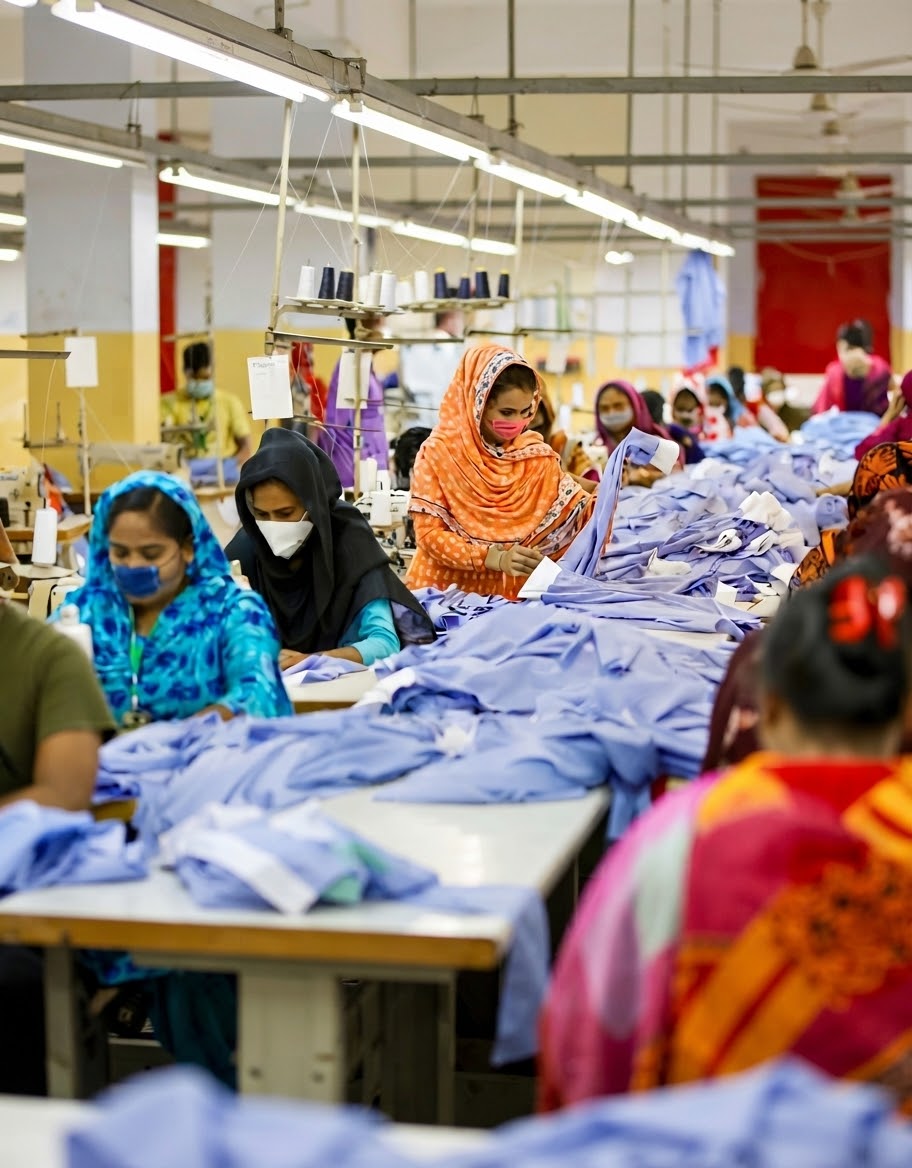
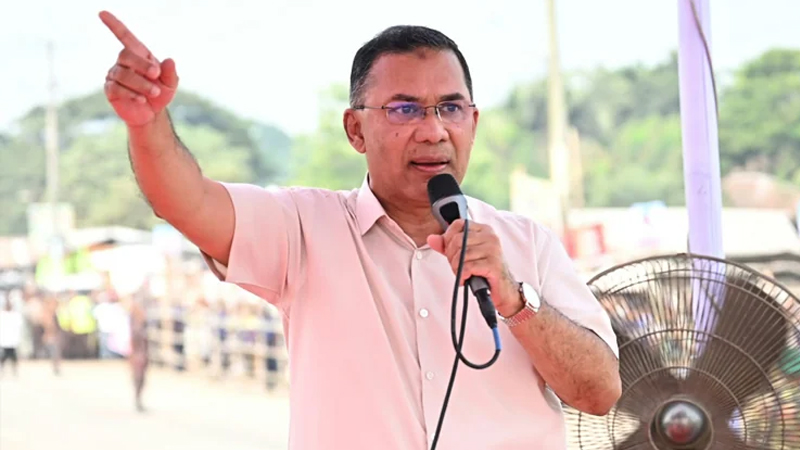
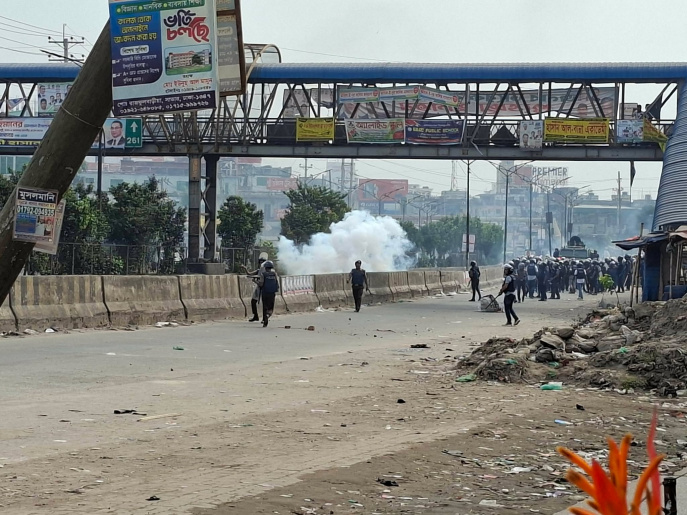
Recent unrest in Bangladesh’s garment industry will not have a significant impact on investment, Commerce Minister Khandaker Abdul Muktadir has said.
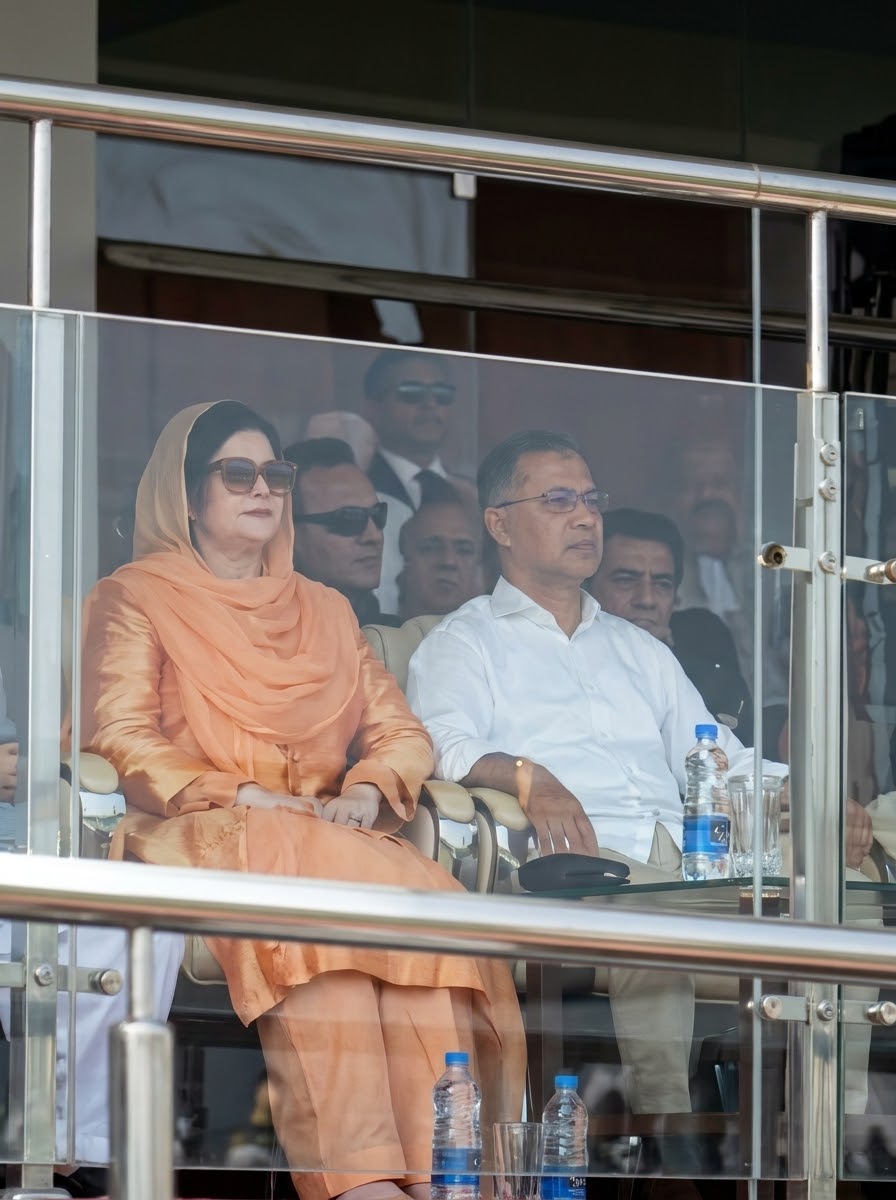
He made the remarks while responding to journalists after attending a National Revolution and Solidarity Day programme organised by the Sylhet district administration at the District Shilpakala Academy on Saturday afternoon.
“Unrest of any kind is undesirable because one episode of instability can trigger another. However, investment is a long-term matter. A few days of unrest will neither push investment two steps backwards nor move it two steps forward,” the minister said.
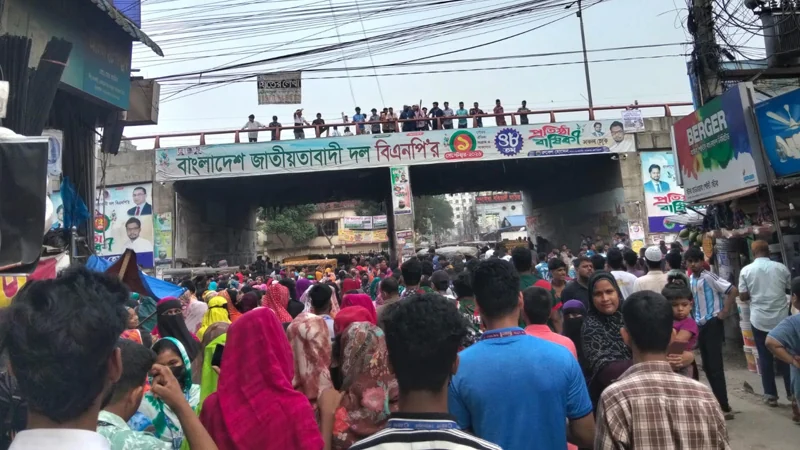
Asked about the recent labour protests, Muktadir said the workers’ grievances had no reasonable basis. He noted that the government had formed a wage board immediately after the incidents and announced that the new wage structure would come into effect from December.
At another programme earlier in the day, the minister described instability and unrest as major obstacles to economic growth. He said political and social stability, along with a normal law and order situation, were essential conditions for economic development.
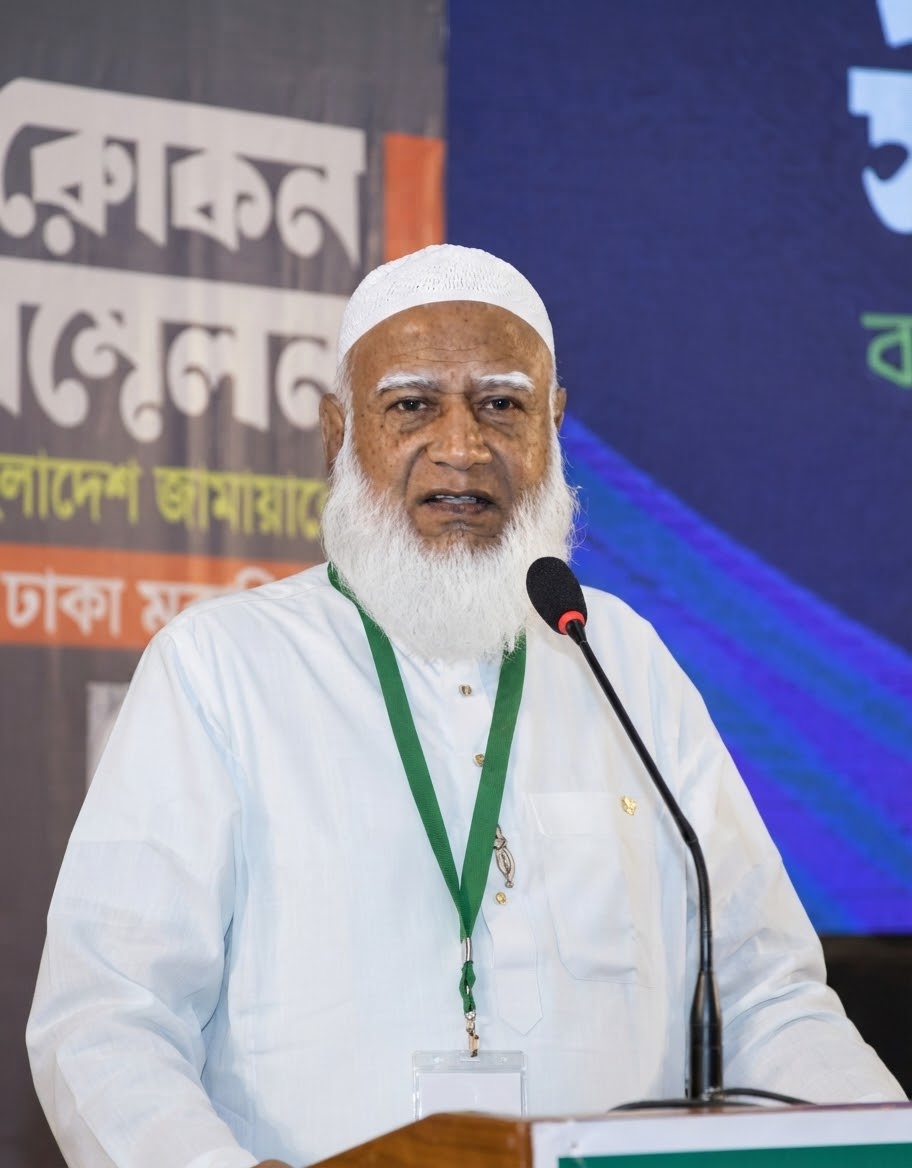
Speaking to journalists after attending an imam conference and triennial council at a hotel in Naya Paltan, Sylhet, he said the authorities concerned would investigate whether factors beyond ordinary labour-related concerns had contributed to the unrest.
He also expressed confidence that any negative economic impact arising from such incidents could be overcome.
In response to another question, the minister said both Bangladesh and India needed to take initiatives to increase trade through land ports.
Minister Highlights November 7’s Historical Significance
Earlier, addressing the National Revolution and Solidarity Day programme as the chief guest, Muktadir described November 7 as a significant turning point in Bangladesh’s history.
He said that following the November 3 coup in 1975, people feared the country might return to the dark period before August 15. However, he said, the people did not want to move backwards, and their desire to protect independence, sovereignty and national dignity led to the historic Sepoy-People’s Revolution.
The event at the District Shilpakala Academy was chaired by Sylhet Deputy Commissioner Abdullah Al Mamun.
The minister said Bangladesh’s economy and law and order situation had been severely disrupted in the years preceding 1975. He argued that the nationalisation of profitable industries had weakened many businesses, while public dissatisfaction had grown over the activities of various forces, including the Rakkhi Bahini.
According to him, political and economic crises had fuelled public frustration, and the November 3 coup following the August 15 events deepened fears about the country’s future. The following four days, he said, were marked by extreme uncertainty.
Muktadir recalled that communication facilities were limited at the time, with no social media, mobile phones or easy access to information. Despite those limitations, he said, the expectations of soldiers inside the cantonment and ordinary people outside converged around the protection of national independence, sovereignty and dignity.
He said the historic events of November 7 emerged from that shared aspiration.
The minister further said that after November 7, Shaheed President Ziaur Rahman assumed responsibility for governing the country and, within a relatively short period, helped restore public confidence and strengthen national identity.
He said Bangladesh had previously faced international scepticism because of limited natural resources, a large population and vulnerability to floods. Under Ziaur Rahman’s leadership, however, the country established a more respected position internationally, he added.
Muktadir cited Bangladesh’s election as a non-permanent member of the United Nations Security Council, defeating industrialised Japan, as an example of the country’s growing international standing. He also referred to support from countries including India and Pakistan as part of Bangladesh’s diplomatic achievement.
He said Ziaur Rahman had played a leading role in several initiatives in the Muslim world, including issues concerning Jerusalem and Al-Quds and efforts to end the Iran-Iraq War.
The minister also praised Ziaur Rahman’s personal integrity, dedication, modest lifestyle and opposition to nepotism. He said people continued to value those qualities and expected members of the political party founded by Ziaur Rahman to demonstrate similar honesty and responsibility.
Maintaining those standards may be difficult, he said, but following Ziaur Rahman’s principles was essential for the party’s leaders and activists.
Calls for Economic and Institutional Reforms
Outlining the challenges ahead, Muktadir said the current government must work to revive a weakened economy, just as Ziaur Rahman had sought to move the country forward during a period of crisis.
He identified restoring discipline in the banking sector, ensuring transparency and accountability in the Annual Development Programme (ADP), and improving public services at every level of the state as key priorities.
The government, he said, must become a citizen-friendly institution capable of delivering meaningful services to the people.
Special guests at the programme included Sylhet City Corporation Administrator Abdul Qayyum Chowdhury; lawmakers MA Malik, Emran Ahmed Chowdhury and Tahsina Rushdir Luna; Sylhet Development Authority Chairman Rezaul Hasan Koyes Lodi; Divisional Commissioner Mashiur Rahman; and Sylhet Metropolitan BNP President Nasim Hossain, among others.