Pyra Deep Sea Port: High Cost, Low Return – A Failing Mega Project

- Update Time : 06:05:22 am, Tuesday, 8 July 2025
- / 645 Time View


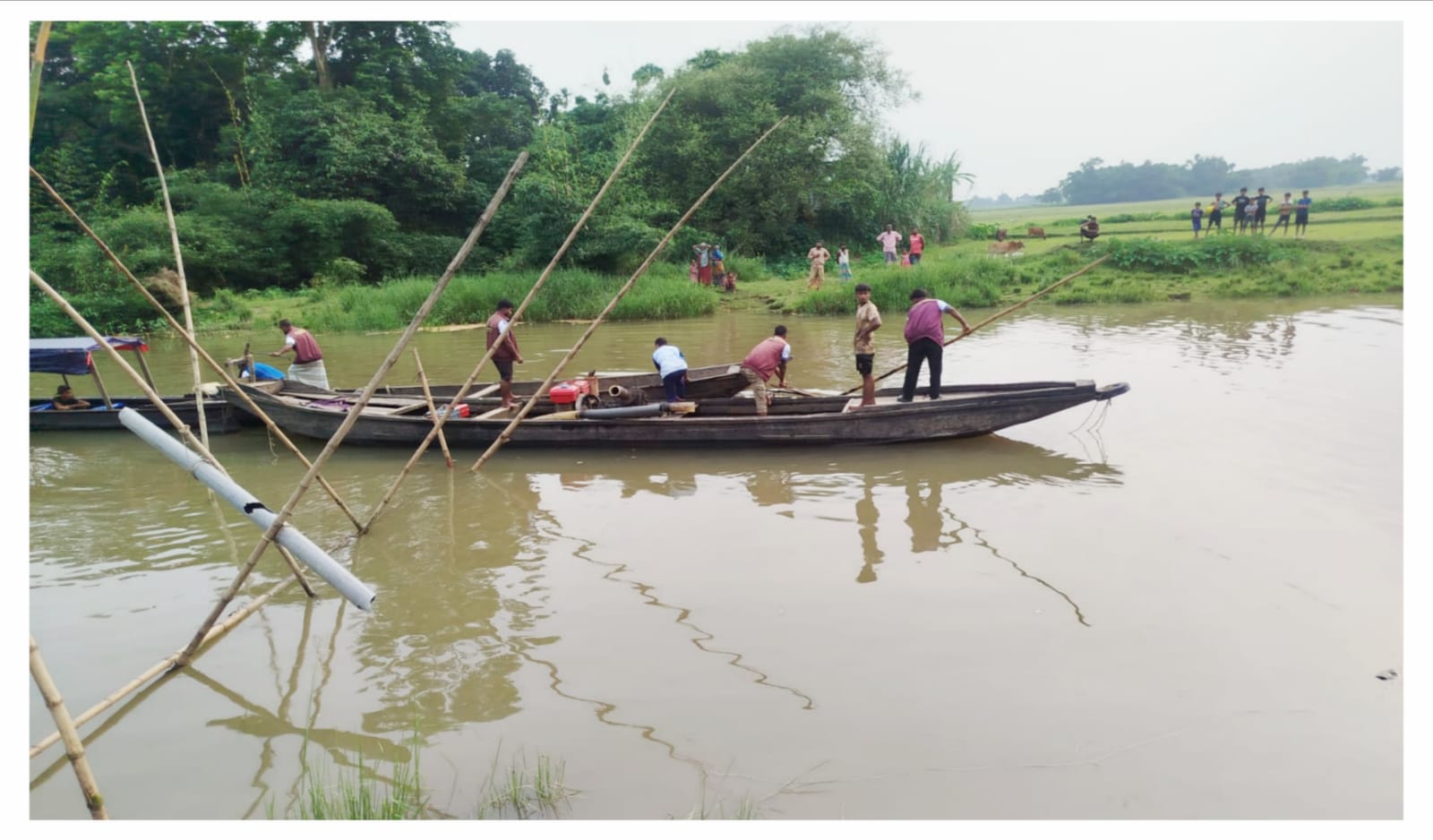
In just two years since its launch as Bangladesh’s third seaport, the Pyra Deep Sea Port has already exceeded Tk 7,000 crore in dredging costs alone, while generating revenue of only around Tk 2,000 crore. The majority of the expenditure was directed toward massive dredging operations, yet the port has failed to yield proportional benefits. Economists and experts say poor planning and mismanagement have made Pyra more of a financial burden than an asset.
In 2020, maintenance dredging alone cost over Tk 413 crore, while a capital dredging project in 2023—awarded to Belgian contractor Jan De Nul—cost around Tk 6,500 crore. Together, the total cost of dredging, maintenance, and infrastructure at Pyra has surpassed Tk 14,000 crore.
Despite this, only 529 foreign vessels and 3,426 domestic lighterage ships have unloaded cargo at the port, earning the government just over Tk 2,079 crore in revenue—less than one-third of the dredging expense.
Experts argue that infrastructure and operational readiness should come before depth enhancement in such high-stakes projects. Pyra’s geographic location complicates matters further. Situated in a high-siltation zone, the port is affected by sediment carried from the Himalayas through Bangladeshi rivers. A 2019 study by researchers from Germany, Belgium, and Bangladesh showed that around 400 million cubic meters of silt settle annually in the Pyra channel alone, making long-term usability highly challenging.
Nevertheless, capital dredging continued. In 2022, amid a severe dollar crisis, Bangladesh Bank dipped into foreign reserves to fund Tk 6,500 crore for the dredging. By March 2023, the channel depth reportedly reached 10.5 meters, enabling vessels of up to 40,000 DWT (deadweight tonnage). But just six months later, siltation brought the depth down to an average of 6.5 meters. Currently, only vessels up to 15,000 DWT can operate, far below the intended capacity.
As larger ships can no longer dock at the port’s jetty, businesses are forced to use lighterage ships—raising operational costs and causing dissatisfaction among traders. This has discouraged further investment, casting doubt on the port’s long-term viability.
Shipping industry leaders say Pyra holds potential due to its location but emphasize the urgent need for continuous dredging, modern terminals, and reliable infrastructure. Others warn the project may become a perpetual money pit unless sustainable management practices are implemented.
Dr. Mir Mohammad Ali, a river researcher at Sher-e-Bangla Agricultural University, estimates that maintaining the required depth would demand Tk 8,000–10,000 crore annually due to the heavy silt flow through the Ramnabad Channel. Without sustainable strategies and oversight, he believes the port will remain a case of national resource wastage.
Activists from the local welfare foundation echo these concerns. They allege rampant corruption during the previous government’s Tk 6,500 crore dredging drive, citing rapid re-siltation as proof. They demand thorough investigation into mismanagement and emphasize that future mega projects must follow proper planning and responsible financial management.
Analysts warn that unless Pyra undergoes urgent re-evaluation and proper execution, it may continue to drain public funds while delivering minimal returns. Inadequate maintenance and poor foresight could drive away both domestic and international users in the years to come.
At a Glance: Pyra Port – Then vs Now
In 2016, natural channel depth was 6.3 meters. After dredging in 2023, it reached 10.5 meters. Within a year, it dropped again to 6.5 meters.
Dredging target: 10.5 meters depth to accommodate 40,000 DWT vessels. Currently: only 15,000 DWT vessels (coal carriers) can access.
Dredging cost: Tk 413 crore (2020) + Tk 6,500 crore (2023).
Total revenue: only Tk 2,079 crore to date.