Dhaka 6:01 pm, Friday, 26 December 2025

It’s Time for Political Parties to Put Disability Rights at the Forefront

Niloy Mridha
  • Update Time : 08:50:47 am, Saturday, 2 August 2025
  • / 334 Time View

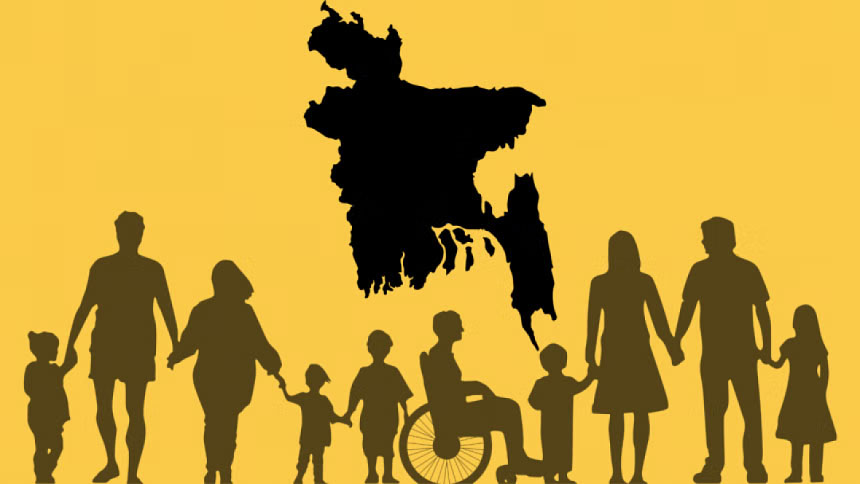
Following the historic July 2024 uprising, a wave of hope and urgency swept across Bangladesh, demanding reform, justice, and inclusive governance. A year on, as the country stands at a political crossroads ahead of the next general election, one critical question must be asked: where do the 16 million citizens with disabilities fit into the new narrative of change?

Despite their large numbers, people with disabilities in Bangladesh remain among the most overlooked in national policy and planning. Their exclusion stems not from lack of ability, but from the failure of political institutions and leadership to uphold their rights and ensure meaningful inclusion.

Although Bangladesh made a significant move by ratifying the UN Convention on the Rights of Persons with Disabilities (CRPD) back in 2007 and introducing the Rights and Protection of Persons with Disabilities Act in 2013, the real challenge lies in translating these legal promises into real-world outcomes. Progress on implementation has been slow, inconsistent, and underfunded—mainly due to insufficient political will.

Disability is not a niche issue limited to the Ministry of Social Welfare. It intersects with all sectors—education, health, employment, transport, infrastructure, and beyond. Addressing it requires a whole-of-government approach, with strong coordination and leadership. Political parties, as key policymakers and agenda-setters, have a vital role to play.

Manifestos are more than just campaign literature; they are statements of intent and principles. In this light, ensuring disability rights in party platforms is not just symbolic—it is essential to building a truly democratic and inclusive nation.

Key Actions for Political Parties Ahead of Elections:

1. Enforce the Disability Law:
Parties must commit to fully implementing the Rights and Protection of Persons with Disabilities Act. It should be revised where needed to strengthen accountability across all levels of government.

2. Promote Representation:
Parties should nominate qualified candidates with disabilities for national and local elections. Political inclusion begins with representation in leadership.

3. Create Disability Focal Points:
Each political party should designate a focal point on disability inclusion to ensure continuous engagement during and beyond the election period.

4. Establish a Parliamentary Disability Caucus:
A cross-party parliamentary group should be formed to oversee disability-related legislation and policy follow-through.

5. Ensure Adequate Funding:
Parties must pledge to allocate sufficient financial and human resources for accessible infrastructure, inclusive education, assistive devices, and local support services.

6. Train Political Leadership:
Disability awareness and inclusion training should be mandatory for party leaders and candidates. A rights-based mindset is essential.

7. Guarantee Accessibility in Public Spaces:
All development plans must follow universal design principles to ensure that schools, hospitals, roads, and transportation systems are accessible to everyone.

8. Run Inclusive Campaigns:
Election materials—rallies, debates, websites, videos—must be accessible to all, including people with visual, hearing, and cognitive disabilities.

9. Engage with Disability Groups:
Parties must consult with advocacy groups and disabled persons’ organisations when shaping disability policies.

10. Collaborate with the Election Commission:
To protect the voting rights of persons with disabilities, parties should coordinate with the Election Commission to ensure polling stations and processes are accessible and inclusive.

11. Promote Awareness:
Parties should launch public campaigns to combat stigma, educate citizens, and celebrate the contributions of persons with disabilities.

12. Reactivate Disability Oversight Bodies:
Key institutions created under the RPPD Act, including national and district committees, must be revitalized and properly staffed with trained personnel.


The spirit of 2024’s uprising called for justice and inclusion. If people with disabilities continue to be excluded from political discourse and policy reform, then the promise of that movement will remain unfulfilled. Political parties now have a chance to lead by example—starting with inclusive manifestos that reflect a nation for all. Let this election be a turning point where no one is left behind.
Tag :

Please Share This Post in Your Social Media

It’s Time for Political Parties to Put Disability Rights at the Forefront

Update Time : 08:50:47 am, Saturday, 2 August 2025

Following the historic July 2024 uprising, a wave of hope and urgency swept across Bangladesh, demanding reform, justice, and inclusive governance. A year on, as the country stands at a political crossroads ahead of the next general election, one critical question must be asked: where do the 16 million citizens with disabilities fit into the new narrative of change?

Despite their large numbers, people with disabilities in Bangladesh remain among the most overlooked in national policy and planning. Their exclusion stems not from lack of ability, but from the failure of political institutions and leadership to uphold their rights and ensure meaningful inclusion.

Although Bangladesh made a significant move by ratifying the UN Convention on the Rights of Persons with Disabilities (CRPD) back in 2007 and introducing the Rights and Protection of Persons with Disabilities Act in 2013, the real challenge lies in translating these legal promises into real-world outcomes. Progress on implementation has been slow, inconsistent, and underfunded—mainly due to insufficient political will.

Disability is not a niche issue limited to the Ministry of Social Welfare. It intersects with all sectors—education, health, employment, transport, infrastructure, and beyond. Addressing it requires a whole-of-government approach, with strong coordination and leadership. Political parties, as key policymakers and agenda-setters, have a vital role to play.

Manifestos are more than just campaign literature; they are statements of intent and principles. In this light, ensuring disability rights in party platforms is not just symbolic—it is essential to building a truly democratic and inclusive nation.

Key Actions for Political Parties Ahead of Elections:

1. Enforce the Disability Law:
Parties must commit to fully implementing the Rights and Protection of Persons with Disabilities Act. It should be revised where needed to strengthen accountability across all levels of government.

2. Promote Representation:
Parties should nominate qualified candidates with disabilities for national and local elections. Political inclusion begins with representation in leadership.

3. Create Disability Focal Points:
Each political party should designate a focal point on disability inclusion to ensure continuous engagement during and beyond the election period.

4. Establish a Parliamentary Disability Caucus:
A cross-party parliamentary group should be formed to oversee disability-related legislation and policy follow-through.

5. Ensure Adequate Funding:
Parties must pledge to allocate sufficient financial and human resources for accessible infrastructure, inclusive education, assistive devices, and local support services.

6. Train Political Leadership:
Disability awareness and inclusion training should be mandatory for party leaders and candidates. A rights-based mindset is essential.

7. Guarantee Accessibility in Public Spaces:
All development plans must follow universal design principles to ensure that schools, hospitals, roads, and transportation systems are accessible to everyone.

8. Run Inclusive Campaigns:
Election materials—rallies, debates, websites, videos—must be accessible to all, including people with visual, hearing, and cognitive disabilities.

9. Engage with Disability Groups:
Parties must consult with advocacy groups and disabled persons’ organisations when shaping disability policies.

10. Collaborate with the Election Commission:
To protect the voting rights of persons with disabilities, parties should coordinate with the Election Commission to ensure polling stations and processes are accessible and inclusive.

11. Promote Awareness:
Parties should launch public campaigns to combat stigma, educate citizens, and celebrate the contributions of persons with disabilities.

12. Reactivate Disability Oversight Bodies:
Key institutions created under the RPPD Act, including national and district committees, must be revitalized and properly staffed with trained personnel.


The spirit of 2024’s uprising called for justice and inclusion. If people with disabilities continue to be excluded from political discourse and policy reform, then the promise of that movement will remain unfulfilled. Political parties now have a chance to lead by example—starting with inclusive manifestos that reflect a nation for all. Let this election be a turning point where no one is left behind.