Dhaka 1:23 am, Sunday, 7 June 2026

Profits Down, Banks Face Growing Challenges

Niloy Mridha
  • Update Time : 10:19:25 am, Friday, 22 August 2025
  • / 410 Time View

Bangladesh’s Banking Sector Sees Net Profits Drop Sharply in 2024

The country’s banking sector suffered a significant decline in net profits in 2024, with combined earnings falling by nearly Tk 27 billion, an 18% drop compared to the previous year. This decline comes despite a 24% rise in interest income and a 30% increase in investment revenue during the same period.

Several banks recorded strong individual performance, with three local and foreign banks posting profits of Tk 10 billion each, while one foreign bank achieved a record net profit of Tk 30 billion.


Reasons Behind the Decline

The decline in overall profits is largely linked to defaults by close associates of the ousted Prime Minister Sheikh Hasina, which resulted in substantial losses for several banks under their influence. According to a Bangladesh Bank report, the slump affected state-owned, private, and multinational banks alike.

Net profits are calculated after provisions for loan security and corporate tax. The process often takes several months post-year-end, as figures must be approved at annual general meetings. In 2024, Bangladesh Bank intensified oversight while finalizing annual financial statements, conducting on-site inspections to assess nonperforming loans. This revealed a larger volume of defaults, forcing banks to increase provisions and thereby reducing net profits.


Profit Trends Over the Last Decade

The 2024 downturn marks the largest drop in net profits in the past five years. The sector earned Tk 148.4 billion in 2023, which fell to Tk 121.58 billion in 2024—a decline of Tk 26.82 billion.

Over the last ten years, the banking sector has faced three major profit setbacks:

  • 2018: Liquidity crises and irregularities in some state and private banks caused net profits to fall from Tk 95.1 billion in 2017 to Tk 35.9 billion.

  • 2020: The COVID-19 pandemic and a 9% cap on loan interest led to profits dropping to Tk 46.6 billion from Tk 69.8 billion in 2019.

  • 2024: Defaults and increased provisions contributed to the recent 18% decline in sector-wide profits.

Between 2021 and 2023, profits had steadily grown, reaching Tk 50.2 billion in 2021, Tk 142.3 billion in 2022, and Tk 148.4 billion in 2023, before the recent drop.


Banks Reporting Losses

Several banks recorded heavy losses last year, dragging down overall sector performance. State-owned Janata Bank faced the largest deficit at Tk 30.66 billion due to defaulted loans from major corporate groups. AB Bank, National Bank, and Global Islami Bank also posted losses after previously hidden defaulted loans came to light. Other banks reporting losses included Agrani Bank, BASIC Bank, First Security Islami Bank, and IFIC Bank.


Banks Maintaining Strong Performance

Some banks managed to remain profitable despite sector-wide challenges. Foreign banks led the way, with Standard Chartered Bank posting a record Tk 33 billion and HSBC earning Tk 10.86 billion. Among private banks, BRAC Bank’s net profit rose to Tk 14.32 billion, and City Bank earned Tk 10.14 billion.

Other banks showing profit growth included Pubali, Eastern, and Prime Bank. State-owned Sonali Bank earned Tk 9.88 billion, while Dutch-Bangla Bank, Trust Bank, Jamuna Bank, Mutual Trust Bank, and NCC Bank also posted notable profits.


Expert Analysis

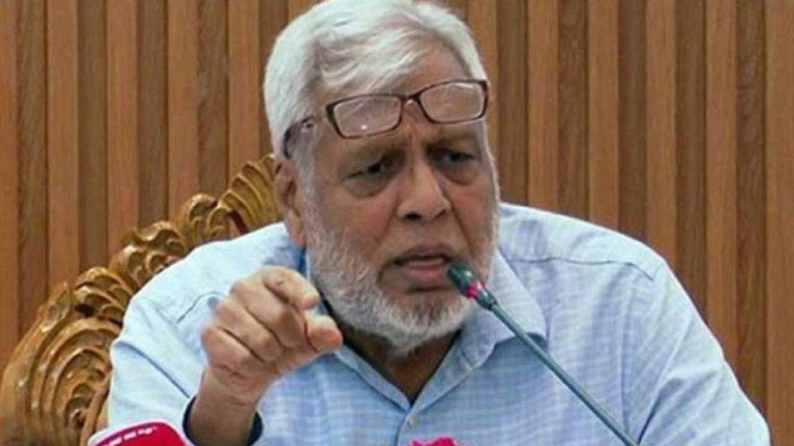
Selim R.F. Hossain, former chairman of the Association of Bankers, Bangladesh, told Prothom Alo that systemic issues have long plagued the sector. Many banks previously reported artificially low default loans and inflated profits. With stricter oversight, hidden losses are now emerging, explaining the reduced profits and losses in 2024.

He emphasized the need for strict reforms and adherence to international banking standards, noting that banks should not distribute dividends if there are capital or provisioning shortfalls. According to Hossain, only comprehensive reform can enable the sector to play its intended role in Bangladesh’s economy.


Tag :

Please Share This Post in Your Social Media

Profits Down, Banks Face Growing Challenges

Update Time : 10:19:25 am, Friday, 22 August 2025

Bangladesh’s Banking Sector Sees Net Profits Drop Sharply in 2024

The country’s banking sector suffered a significant decline in net profits in 2024, with combined earnings falling by nearly Tk 27 billion, an 18% drop compared to the previous year. This decline comes despite a 24% rise in interest income and a 30% increase in investment revenue during the same period.

Several banks recorded strong individual performance, with three local and foreign banks posting profits of Tk 10 billion each, while one foreign bank achieved a record net profit of Tk 30 billion.


Reasons Behind the Decline

The decline in overall profits is largely linked to defaults by close associates of the ousted Prime Minister Sheikh Hasina, which resulted in substantial losses for several banks under their influence. According to a Bangladesh Bank report, the slump affected state-owned, private, and multinational banks alike.

Net profits are calculated after provisions for loan security and corporate tax. The process often takes several months post-year-end, as figures must be approved at annual general meetings. In 2024, Bangladesh Bank intensified oversight while finalizing annual financial statements, conducting on-site inspections to assess nonperforming loans. This revealed a larger volume of defaults, forcing banks to increase provisions and thereby reducing net profits.


Profit Trends Over the Last Decade

The 2024 downturn marks the largest drop in net profits in the past five years. The sector earned Tk 148.4 billion in 2023, which fell to Tk 121.58 billion in 2024—a decline of Tk 26.82 billion.

Over the last ten years, the banking sector has faced three major profit setbacks:

  • 2018: Liquidity crises and irregularities in some state and private banks caused net profits to fall from Tk 95.1 billion in 2017 to Tk 35.9 billion.

  • 2020: The COVID-19 pandemic and a 9% cap on loan interest led to profits dropping to Tk 46.6 billion from Tk 69.8 billion in 2019.

  • 2024: Defaults and increased provisions contributed to the recent 18% decline in sector-wide profits.

Between 2021 and 2023, profits had steadily grown, reaching Tk 50.2 billion in 2021, Tk 142.3 billion in 2022, and Tk 148.4 billion in 2023, before the recent drop.


Banks Reporting Losses

Several banks recorded heavy losses last year, dragging down overall sector performance. State-owned Janata Bank faced the largest deficit at Tk 30.66 billion due to defaulted loans from major corporate groups. AB Bank, National Bank, and Global Islami Bank also posted losses after previously hidden defaulted loans came to light. Other banks reporting losses included Agrani Bank, BASIC Bank, First Security Islami Bank, and IFIC Bank.


Banks Maintaining Strong Performance

Some banks managed to remain profitable despite sector-wide challenges. Foreign banks led the way, with Standard Chartered Bank posting a record Tk 33 billion and HSBC earning Tk 10.86 billion. Among private banks, BRAC Bank’s net profit rose to Tk 14.32 billion, and City Bank earned Tk 10.14 billion.

Other banks showing profit growth included Pubali, Eastern, and Prime Bank. State-owned Sonali Bank earned Tk 9.88 billion, while Dutch-Bangla Bank, Trust Bank, Jamuna Bank, Mutual Trust Bank, and NCC Bank also posted notable profits.


Expert Analysis

Selim R.F. Hossain, former chairman of the Association of Bankers, Bangladesh, told Prothom Alo that systemic issues have long plagued the sector. Many banks previously reported artificially low default loans and inflated profits. With stricter oversight, hidden losses are now emerging, explaining the reduced profits and losses in 2024.

He emphasized the need for strict reforms and adherence to international banking standards, noting that banks should not distribute dividends if there are capital or provisioning shortfalls. According to Hossain, only comprehensive reform can enable the sector to play its intended role in Bangladesh’s economy.