
Dhaka 9:20 am, Friday, 24 April 2026

Trump Says He Is ‘Indirectly’ Involved in Talks with Iran

Staff Correspondent :
  • Update Time : 11:13:17 am, Tuesday, 17 February 2026
  • / 132 Time View

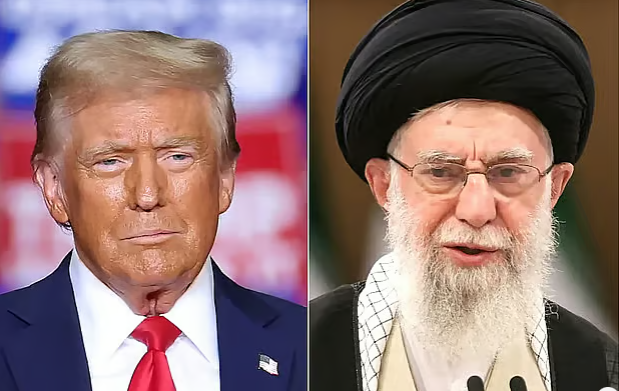
Talks between Tehran and Washington over Iran’s nuclear program are set to begin in Geneva today (Tuesday), in what is being described as a highly significant diplomatic effort. Ahead of the negotiations, U.S. President Donald Trump said on Monday that he would be “indirectly” involved in the discussions and expressed confidence that Iran is interested in reaching an agreement.

Speaking to reporters aboard Air Force One, Trump described the talks as extremely important and reiterated his belief that Tehran is now more willing to negotiate.

Tensions in the Middle East have intensified ahead of the talks. The United States has deployed a second aircraft carrier to the region, and U.S. officials told Reuters that the military is preparing contingency plans for a prolonged operation if negotiations fail.

When asked about the prospects of a deal, Trump said Iran often adopts a tough posture at the negotiating table but suggested that last summer’s U.S. strikes on Iranian nuclear facilities demonstrated the consequences of refusing an agreement. He added that Iran is unlikely to want to face those consequences again.

Pressure to Halt Uranium Enrichment

Negotiations were suspended last June before the U.S. strikes, after Washington demanded that Iran completely halt uranium enrichment on its soil, arguing that the process could lead to nuclear weapons development.

Trump said a deal could have been reached instead of deploying B-2 stealth bombers but expressed hope that Iran will act more rationally this time.

Meanwhile, Iranian Foreign Minister Abbas Araghchi met Monday in Geneva with the head of the International Atomic Energy Agency. Posting on X, Araghchi said he came to Geneva seeking a “fair and balanced agreement,” while making clear that surrender under threat is not up for negotiation.

Key Obstacles and Unresolved Issues

The IAEA has been pressing Iran for months to clarify the status of its stockpile of 440 kilograms of highly enriched uranium. Uncertainty remains about the material following attacks last June on the major facilities at Natanz, Fordow, and Isfahan by Israel and the United States. The agency is also seeking full access to inspect the sites.

Iran has repeatedly warned that any attack could prompt it to close the Strait of Hormuz, a critical global route for oil shipments. On Monday, Iranian forces conducted military drills in the area.

Major Challenges in the Talks

Washington wants Iran’s missile program included in the negotiations, while Tehran insists discussions remain limited to the nuclear issue and demands the lifting of economic sanctions in return.

Iran has refused to completely halt uranium enrichment or discuss its missile capabilities.

U.S. Secretary of State Marco Rubio, speaking during a visit to Hungary, said reaching an agreement with Tehran would be difficult. He noted that while a diplomatic solution remains possible, the negotiations will be challenging.
Tag :

Please Share This Post in Your Social Media

Trump Says He Is ‘Indirectly’ Involved in Talks with Iran

Update Time : 11:13:17 am, Tuesday, 17 February 2026

Talks between Tehran and Washington over Iran’s nuclear program are set to begin in Geneva today (Tuesday), in what is being described as a highly significant diplomatic effort. Ahead of the negotiations, U.S. President Donald Trump said on Monday that he would be “indirectly” involved in the discussions and expressed confidence that Iran is interested in reaching an agreement.

Speaking to reporters aboard Air Force One, Trump described the talks as extremely important and reiterated his belief that Tehran is now more willing to negotiate.

Tensions in the Middle East have intensified ahead of the talks. The United States has deployed a second aircraft carrier to the region, and U.S. officials told Reuters that the military is preparing contingency plans for a prolonged operation if negotiations fail.

When asked about the prospects of a deal, Trump said Iran often adopts a tough posture at the negotiating table but suggested that last summer’s U.S. strikes on Iranian nuclear facilities demonstrated the consequences of refusing an agreement. He added that Iran is unlikely to want to face those consequences again.

Pressure to Halt Uranium Enrichment

Negotiations were suspended last June before the U.S. strikes, after Washington demanded that Iran completely halt uranium enrichment on its soil, arguing that the process could lead to nuclear weapons development.

Trump said a deal could have been reached instead of deploying B-2 stealth bombers but expressed hope that Iran will act more rationally this time.

Meanwhile, Iranian Foreign Minister Abbas Araghchi met Monday in Geneva with the head of the International Atomic Energy Agency. Posting on X, Araghchi said he came to Geneva seeking a “fair and balanced agreement,” while making clear that surrender under threat is not up for negotiation.

Key Obstacles and Unresolved Issues

The IAEA has been pressing Iran for months to clarify the status of its stockpile of 440 kilograms of highly enriched uranium. Uncertainty remains about the material following attacks last June on the major facilities at Natanz, Fordow, and Isfahan by Israel and the United States. The agency is also seeking full access to inspect the sites.

Iran has repeatedly warned that any attack could prompt it to close the Strait of Hormuz, a critical global route for oil shipments. On Monday, Iranian forces conducted military drills in the area.

Major Challenges in the Talks

Washington wants Iran’s missile program included in the negotiations, while Tehran insists discussions remain limited to the nuclear issue and demands the lifting of economic sanctions in return.

Iran has refused to completely halt uranium enrichment or discuss its missile capabilities.

U.S. Secretary of State Marco Rubio, speaking during a visit to Hungary, said reaching an agreement with Tehran would be difficult. He noted that while a diplomatic solution remains possible, the negotiations will be challenging.