Dhaka 5:20 am, Saturday, 23 May 2026

BNP, India’s New Political Calculus

Reporter Name
  • Update Time : 04:54:24 am, Monday, 24 February 2025
  • / 437 Time View

The Awami League is now sidelined from the political scene, with allegations of the July massacre preventing its return to power anytime soon. Even after seven months, its relationship with the interim government remains strained. Islamist parties and student-led movements from the mass uprising are fiercely opposing the party. In this scenario, neighboring India finds itself in a dilemma. However, with time passing, India is gradually accepting the political shift in Bangladesh. Having long maintained ties with the Awami League, New Delhi is now working to establish trust with the BNP, assuming it will form the next government.


Diplomatic sources indicate this shift. Indian Army Chief General Upendra Dwivedi hinted at it in January during a press conference for India’s Army Day, stating that bilateral relations would normalize with Bangladesh’s elected government. Michael Kugelman, director of the South Asia Institute at the Wilson Center, remarked that India’s primary concerns regarding Bangladesh are Pakistan and Jamaat-e-Islami. He stated that India wants a swift election in Bangladesh, as the BNP is likely to win. According to him, India believes the BNP has distanced itself from Jamaat, and an elected government would provide India with more stability. He made these remarks in January during a discussion titled “Bangladesh at a Geopolitical Crossroad.”


A Western diplomat, speaking on condition of anonymity, told Samakal that India and the BNP are becoming mutually dependent for the future. Historically, India has not had a normal relationship with the BNP. The 10-truck arms smuggling incident during the BNP’s tenure severely strained ties. However, leaving the past behind, India now sees the BNP as a crucial partner in managing Bangladesh’s transition. The BNP also recognizes that maintaining adversarial relations with a powerful neighbor like India would make governance difficult. Without good ties, it would have to focus on handling regional challenges rather than governing effectively. Thus, the BNP is approaching India with a bargaining mindset.


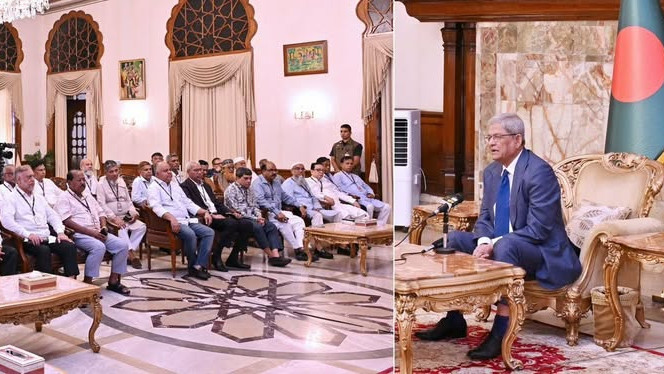
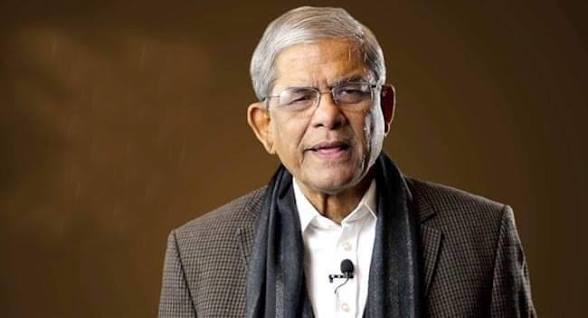
BNP leaders believe they need the support of neighboring countries to counter the students, the government, and Jamaat. India’s support is particularly crucial. In September, Indian High Commissioner Pranay Verma met BNP Secretary General Mirza Fakhrul Islam Alamgir at the party’s office in Gulshan. Following the meeting, Fakhrul stated that the Indian envoy expressed his country’s desire to strengthen relations with Bangladesh and collaborate on security issues. India also showed interest in improving ties with the BNP as a political entity and working towards a more constructive relationship.


Sources indicate that India’s past relationship with the Awami League is now fully exposed. Awami League leaders, including Sheikh Hasina, allegedly sought refuge in India after being accused of mass killings of thousands of students and civilians. India provided them protection. The extent of India’s influence over both Bangladesh and the Awami League is detailed in former Indian President Pranab Mukherjee’s book The Coalition Years. It describes how, in February 2008, Bangladesh’s then-Army Chief General Moeen U Ahmed visited India and expressed concerns that Sheikh Hasina would remove him if she came to power. Pranab Mukherjee personally assured him that he would remain in his position.


After Sheikh Hasina’s victory in the 2008 election, India played a direct and indirect role in keeping her in power until August 5, 2024. India benefited from having a compliant government in Dhaka, particularly in regional politics. However, the mass student uprising has changed everything. India has long argued that the BNP-led government from 2001-2006 facilitated the rise of Islamists in Bangladesh. Former Indian High Commissioner to Bangladesh, Pinak Ranjan Chakravarty, told the BBC that the BNP-led coalition allowed various jihadist groups to emerge. He linked this to the 2004 assassination attempt on Sheikh Hasina and the seizure of 10 truckloads of arms from Pakistan.


A Western diplomat told Samakal that India saw the BNP-led coalition as extremely anti-India, which prevented a normal relationship between them. From 2009 onwards, the Awami League’s close ties with Delhi made it unnecessary for India to build relations with other political parties. However, with the recent political shift, India has no choice but to engage with the BNP. New Delhi is now preparing for this reality.


Bangladesh’s foreign ministry officials acknowledge that India is unlikely to normalize ties with the interim government. But this strained relationship cannot continue indefinitely. As a solution, India wants an election in Bangladesh as soon as possible, believing that the BNP will win and that this transition should be strategically managed.


Western diplomats suggest that China and Pakistan are strengthening ties with Bangladesh’s interim government, which concerns India. Although there was a temporary rift over the Taiwan issue, China’s long-standing relationship with the BNP remains strong. If the BNP returns to power, India fears that China will quickly establish deeper ties. As a countermeasure, Delhi plans to leverage the Taiwan issue to disrupt BNP-Beijing relations. India is determined to ensure that China’s presence in Bangladesh does not become a strategic challenge.

 

Tag :

Please Share This Post in Your Social Media

BNP, India’s New Political Calculus

Update Time : 04:54:24 am, Monday, 24 February 2025

The Awami League is now sidelined from the political scene, with allegations of the July massacre preventing its return to power anytime soon. Even after seven months, its relationship with the interim government remains strained. Islamist parties and student-led movements from the mass uprising are fiercely opposing the party. In this scenario, neighboring India finds itself in a dilemma. However, with time passing, India is gradually accepting the political shift in Bangladesh. Having long maintained ties with the Awami League, New Delhi is now working to establish trust with the BNP, assuming it will form the next government.


Diplomatic sources indicate this shift. Indian Army Chief General Upendra Dwivedi hinted at it in January during a press conference for India’s Army Day, stating that bilateral relations would normalize with Bangladesh’s elected government. Michael Kugelman, director of the South Asia Institute at the Wilson Center, remarked that India’s primary concerns regarding Bangladesh are Pakistan and Jamaat-e-Islami. He stated that India wants a swift election in Bangladesh, as the BNP is likely to win. According to him, India believes the BNP has distanced itself from Jamaat, and an elected government would provide India with more stability. He made these remarks in January during a discussion titled “Bangladesh at a Geopolitical Crossroad.”


A Western diplomat, speaking on condition of anonymity, told Samakal that India and the BNP are becoming mutually dependent for the future. Historically, India has not had a normal relationship with the BNP. The 10-truck arms smuggling incident during the BNP’s tenure severely strained ties. However, leaving the past behind, India now sees the BNP as a crucial partner in managing Bangladesh’s transition. The BNP also recognizes that maintaining adversarial relations with a powerful neighbor like India would make governance difficult. Without good ties, it would have to focus on handling regional challenges rather than governing effectively. Thus, the BNP is approaching India with a bargaining mindset.


BNP leaders believe they need the support of neighboring countries to counter the students, the government, and Jamaat. India’s support is particularly crucial. In September, Indian High Commissioner Pranay Verma met BNP Secretary General Mirza Fakhrul Islam Alamgir at the party’s office in Gulshan. Following the meeting, Fakhrul stated that the Indian envoy expressed his country’s desire to strengthen relations with Bangladesh and collaborate on security issues. India also showed interest in improving ties with the BNP as a political entity and working towards a more constructive relationship.


Sources indicate that India’s past relationship with the Awami League is now fully exposed. Awami League leaders, including Sheikh Hasina, allegedly sought refuge in India after being accused of mass killings of thousands of students and civilians. India provided them protection. The extent of India’s influence over both Bangladesh and the Awami League is detailed in former Indian President Pranab Mukherjee’s book The Coalition Years. It describes how, in February 2008, Bangladesh’s then-Army Chief General Moeen U Ahmed visited India and expressed concerns that Sheikh Hasina would remove him if she came to power. Pranab Mukherjee personally assured him that he would remain in his position.


After Sheikh Hasina’s victory in the 2008 election, India played a direct and indirect role in keeping her in power until August 5, 2024. India benefited from having a compliant government in Dhaka, particularly in regional politics. However, the mass student uprising has changed everything. India has long argued that the BNP-led government from 2001-2006 facilitated the rise of Islamists in Bangladesh. Former Indian High Commissioner to Bangladesh, Pinak Ranjan Chakravarty, told the BBC that the BNP-led coalition allowed various jihadist groups to emerge. He linked this to the 2004 assassination attempt on Sheikh Hasina and the seizure of 10 truckloads of arms from Pakistan.


A Western diplomat told Samakal that India saw the BNP-led coalition as extremely anti-India, which prevented a normal relationship between them. From 2009 onwards, the Awami League’s close ties with Delhi made it unnecessary for India to build relations with other political parties. However, with the recent political shift, India has no choice but to engage with the BNP. New Delhi is now preparing for this reality.


Bangladesh’s foreign ministry officials acknowledge that India is unlikely to normalize ties with the interim government. But this strained relationship cannot continue indefinitely. As a solution, India wants an election in Bangladesh as soon as possible, believing that the BNP will win and that this transition should be strategically managed.


Western diplomats suggest that China and Pakistan are strengthening ties with Bangladesh’s interim government, which concerns India. Although there was a temporary rift over the Taiwan issue, China’s long-standing relationship with the BNP remains strong. If the BNP returns to power, India fears that China will quickly establish deeper ties. As a countermeasure, Delhi plans to leverage the Taiwan issue to disrupt BNP-Beijing relations. India is determined to ensure that China’s presence in Bangladesh does not become a strategic challenge.