Dhaka 12:19 pm, Friday, 12 June 2026

Extortion Allegations Used to Pressure BNP in Elections

Reporter Name
  • Update Time : 07:01:41 am, Monday, 3 March 2025
  • / 895 Time View

Opposition groups are turning extortion into a key election issue, with Jamaat-e-Islami vocally opposing BNP on this front. The student-led NCP, which aims to overthrow Sheikh Hasina, is also speaking out strongly against extortion, portraying both BNP and Awami League as two sides of the same coin.


BNP leaders insist they are against extortion, pointing out that student groups also have extortionists in their ranks. Citing recent incidents, they argue that “everyone should see their own reflection in the mirror.” Despite dismissing these allegations as exaggerated, BNP is increasingly uncomfortable with the repeated involvement of its members in extortion scandals. During an extended meeting on February 27, grassroots leaders urged the central leadership to take strict action against extortion, land-grabbing, and abuse of power. They fear that extortion will become a major obstacle for BNP in the upcoming election, as some local leaders and party affiliates are damaging the party’s reputation.


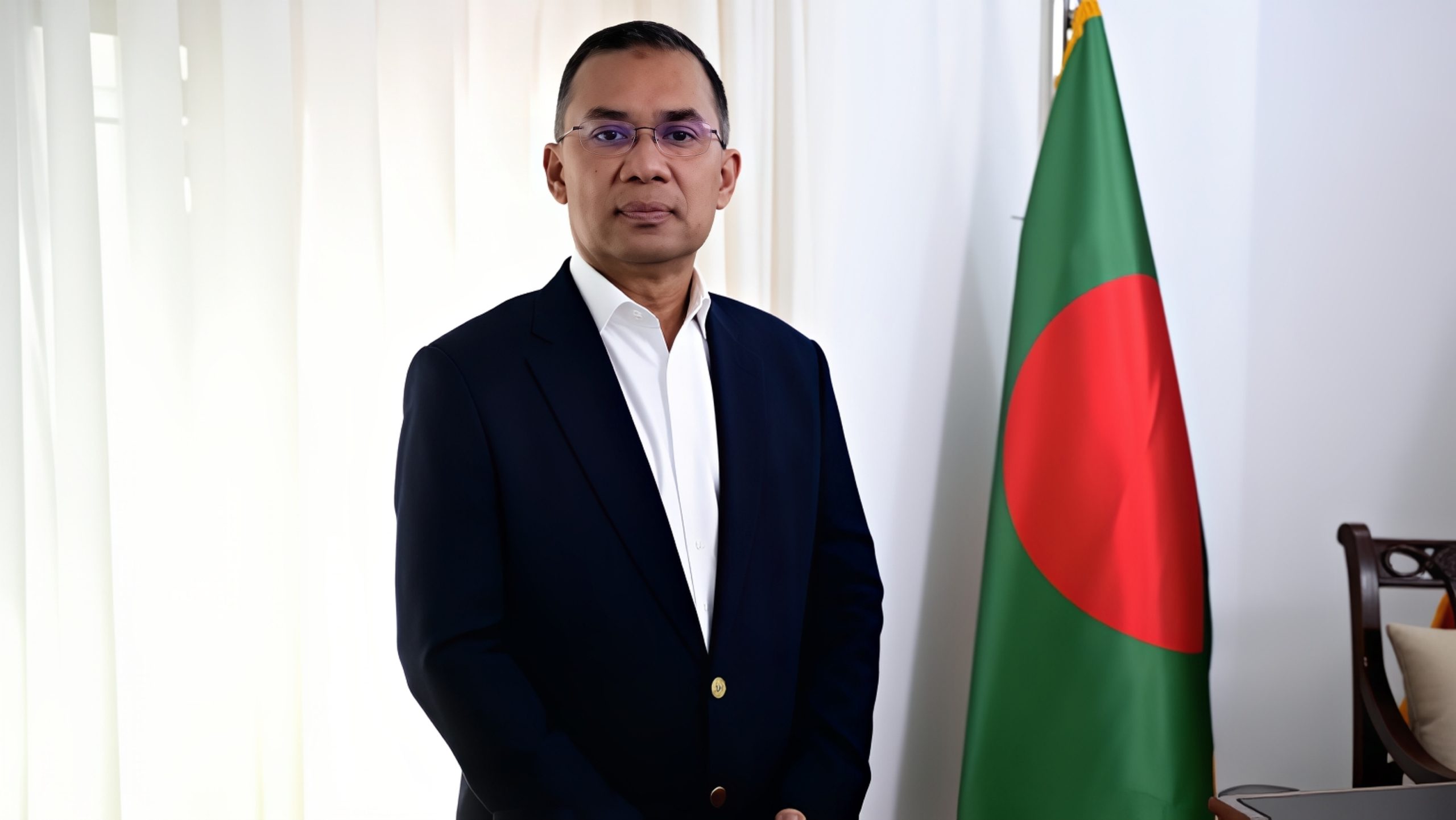
Since August 5, BNP’s acting chairman, Tarique Rahman, has repeatedly emphasized zero tolerance for wrongdoing. More than 3,000 BNP and affiliate leaders have been disciplined for extortion, land-grabbing, and misconduct, with over 1,000 permanently expelled. However, BNP argues that a smear campaign is underway to paint them as criminals ahead of the elections. They also question why the interim government is not cracking down on extortionists across all political parties.


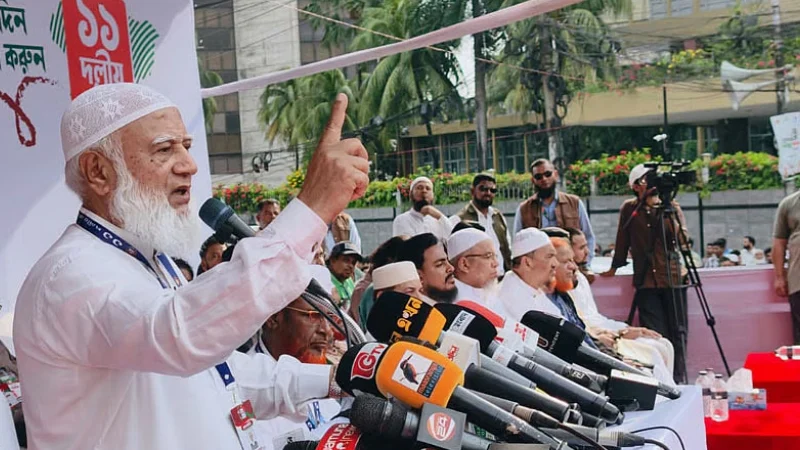
A recent high-profile case involved Jahangir Alam Pintu, a youth BNP leader in Gazipur, who led a gang into a local market, demanding control over rents. A viral video of the incident led to his immediate expulsion and legal action against him. However, Jamaat-e-Islami and NCP have used this case to attack BNP, with Jamaat’s leader stating, “Allah has forbidden extortion but permitted begging—so beg instead of extorting.” Their narrative suggests that while the Awami League extorted before August 5, BNP is doing so now.


NCP’s leader, Nahid Islam, echoed this view in December, stating that although power has shifted, extortion has not stopped. BNP leaders counter that these allegations are politically motivated attempts to equate them with the Awami League. BNP vice-chairman Shamsuzzaman Dudu accused Jamaat of spreading propaganda while hiding its own crimes, alleging that Jamaat members have seized banks, coaching centers, and educational institutions without facing scrutiny.


Tarique Rahman, however, has acknowledged internal issues. In a February 22 speech, he stated, “Out of our millions of members, some may have gone astray, but BNP does not support unethical behavior.” He has consistently stressed that BNP takes action against wrongdoing, unlike other parties. Yet, internal frustration is growing as allegations of extortion persist.


Social media has fueled these discussions, with numerous complaints about BNP activists engaging in extortion. Even Tarique Rahman’s verified page has seen followers accusing local BNP members of criminal activities. Although Jamaat has faced similar accusations, such cases receive less media attention.


Jamaat leaders argue that since August 5, the crackdown on corruption and syndicates has angered the public, and BNP is now the main party involved in extortion. Their campaign in the upcoming election will focus on a “corruption-free Bangladesh.” NCP is also capitalizing on public frustration, conducting a large-scale survey where over 90% of respondents identified extortion, bribery, and corruption as the country’s top issues.


NCP leaders claim they will actively fight extortion and build a syndicate-free country. Meanwhile, BNP leaders argue that many extortion allegations stem from circumstances beyond their control. With the Awami League’s sudden departure, BNP members stepped in to manage abandoned institutions and markets, leading to accusations of extortion. They claim Jamaat is spreading these rumors to weaken BNP, while NCP is using them to establish its own political presence.


BNP’s Senior Joint Secretary General, Ruhul Kabir Rizvi, reiterated that BNP has no place for extortionists or criminals. He defended Tarique Rahman’s efforts in disciplining wrongdoers, insisting that many of the extortion allegations against BNP are fabricated attempts to damage the party’s image for political gain.

 

Please Share This Post in Your Social Media

Extortion Allegations Used to Pressure BNP in Elections

Update Time : 07:01:41 am, Monday, 3 March 2025

Opposition groups are turning extortion into a key election issue, with Jamaat-e-Islami vocally opposing BNP on this front. The student-led NCP, which aims to overthrow Sheikh Hasina, is also speaking out strongly against extortion, portraying both BNP and Awami League as two sides of the same coin.


BNP leaders insist they are against extortion, pointing out that student groups also have extortionists in their ranks. Citing recent incidents, they argue that “everyone should see their own reflection in the mirror.” Despite dismissing these allegations as exaggerated, BNP is increasingly uncomfortable with the repeated involvement of its members in extortion scandals. During an extended meeting on February 27, grassroots leaders urged the central leadership to take strict action against extortion, land-grabbing, and abuse of power. They fear that extortion will become a major obstacle for BNP in the upcoming election, as some local leaders and party affiliates are damaging the party’s reputation.


Since August 5, BNP’s acting chairman, Tarique Rahman, has repeatedly emphasized zero tolerance for wrongdoing. More than 3,000 BNP and affiliate leaders have been disciplined for extortion, land-grabbing, and misconduct, with over 1,000 permanently expelled. However, BNP argues that a smear campaign is underway to paint them as criminals ahead of the elections. They also question why the interim government is not cracking down on extortionists across all political parties.


A recent high-profile case involved Jahangir Alam Pintu, a youth BNP leader in Gazipur, who led a gang into a local market, demanding control over rents. A viral video of the incident led to his immediate expulsion and legal action against him. However, Jamaat-e-Islami and NCP have used this case to attack BNP, with Jamaat’s leader stating, “Allah has forbidden extortion but permitted begging—so beg instead of extorting.” Their narrative suggests that while the Awami League extorted before August 5, BNP is doing so now.


NCP’s leader, Nahid Islam, echoed this view in December, stating that although power has shifted, extortion has not stopped. BNP leaders counter that these allegations are politically motivated attempts to equate them with the Awami League. BNP vice-chairman Shamsuzzaman Dudu accused Jamaat of spreading propaganda while hiding its own crimes, alleging that Jamaat members have seized banks, coaching centers, and educational institutions without facing scrutiny.


Tarique Rahman, however, has acknowledged internal issues. In a February 22 speech, he stated, “Out of our millions of members, some may have gone astray, but BNP does not support unethical behavior.” He has consistently stressed that BNP takes action against wrongdoing, unlike other parties. Yet, internal frustration is growing as allegations of extortion persist.


Social media has fueled these discussions, with numerous complaints about BNP activists engaging in extortion. Even Tarique Rahman’s verified page has seen followers accusing local BNP members of criminal activities. Although Jamaat has faced similar accusations, such cases receive less media attention.


Jamaat leaders argue that since August 5, the crackdown on corruption and syndicates has angered the public, and BNP is now the main party involved in extortion. Their campaign in the upcoming election will focus on a “corruption-free Bangladesh.” NCP is also capitalizing on public frustration, conducting a large-scale survey where over 90% of respondents identified extortion, bribery, and corruption as the country’s top issues.


NCP leaders claim they will actively fight extortion and build a syndicate-free country. Meanwhile, BNP leaders argue that many extortion allegations stem from circumstances beyond their control. With the Awami League’s sudden departure, BNP members stepped in to manage abandoned institutions and markets, leading to accusations of extortion. They claim Jamaat is spreading these rumors to weaken BNP, while NCP is using them to establish its own political presence.


BNP’s Senior Joint Secretary General, Ruhul Kabir Rizvi, reiterated that BNP has no place for extortionists or criminals. He defended Tarique Rahman’s efforts in disciplining wrongdoers, insisting that many of the extortion allegations against BNP are fabricated attempts to damage the party’s image for political gain.