From Liberation War to National Leadership: Ziaur Rahman’s Path

- Update Time : 09:43:04 am, Friday, 30 May 2025
- / 691 Time View
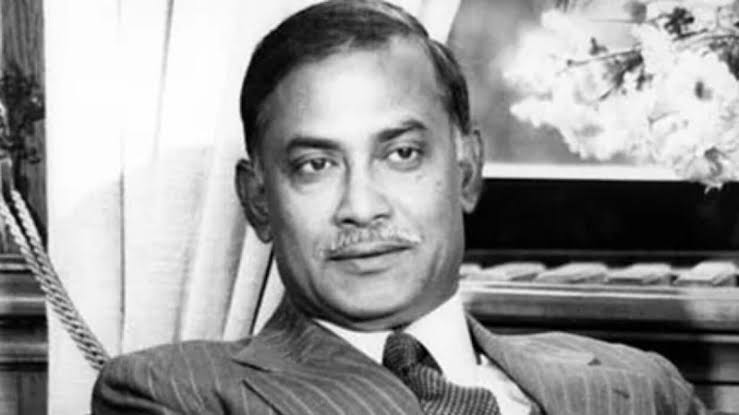

Amid the genocide carried out by the Pakistani ruling class and the vacuum of political leadership across the country, the declaration of independence became a rallying cry that galvanized the people of Bangladesh into a full-scale liberation war. Major Ziaur Rahman played a pivotal role in this moment, with his announcement of independence marking the military’s entry into the war—a move that inspired a desperate and directionless nation to unite with renewed hope.
Today marks the death anniversary of Shaheed President Ziaur Rahman, founder of the Bangladesh Nationalist Party (BNP). During the 1971 Liberation War, following the formation of a formal army under the provisional government, Zia commanded the ‘Z Force’—one of the first military brigades. His courage and integrity earned him widespread admiration and the military honor of “Bir Uttam” for his service.
Following the political turmoil and unrest within the military after the 1975 change of regime, General Zia came to power in 1977 through a popular uprising. He is credited with restoring multiparty democracy in Bangladesh and laying the foundation for a new era of political pluralism by founding the BNP. During his presidency, Zia introduced significant reforms in politics, economics, and diplomacy—earning him recognition as a people’s leader.
Born in 1936 in a respected family in Bagbari, Gabtali of Bogura, Ziaur Rahman was assassinated on May 30, 1981, in Chittagong Circuit House by a group of disgruntled soldiers. His funeral saw the attendance of millions, a rare and historic moment in the country’s history.
The mystery surrounding his assassination remains unresolved. According to BNP Standing Committee member Major (Retd.) Hafiz Uddin Ahmed, Zia came to power on the call of the people, and his honesty, patriotism, and simple lifestyle continue to serve as an inspiration for today’s youth.
In response to questions about the party’s commitment to Zia’s ideology, Hafiz Uddin stated that under the leadership of Begum Khaleda Zia and her son Tarique Rahman, BNP remains firmly rooted in the principles laid down by its founder.
Senior BNP leaders often remark that had Ziaur Rahman lived longer, the history of Bangladesh could have taken a dramatically different course.