Young Voters Will Shape the New Bangladesh: Chief Adviser

- Update Time : 05:31:32 am, Thursday, 12 June 2025
- / 724 Time View
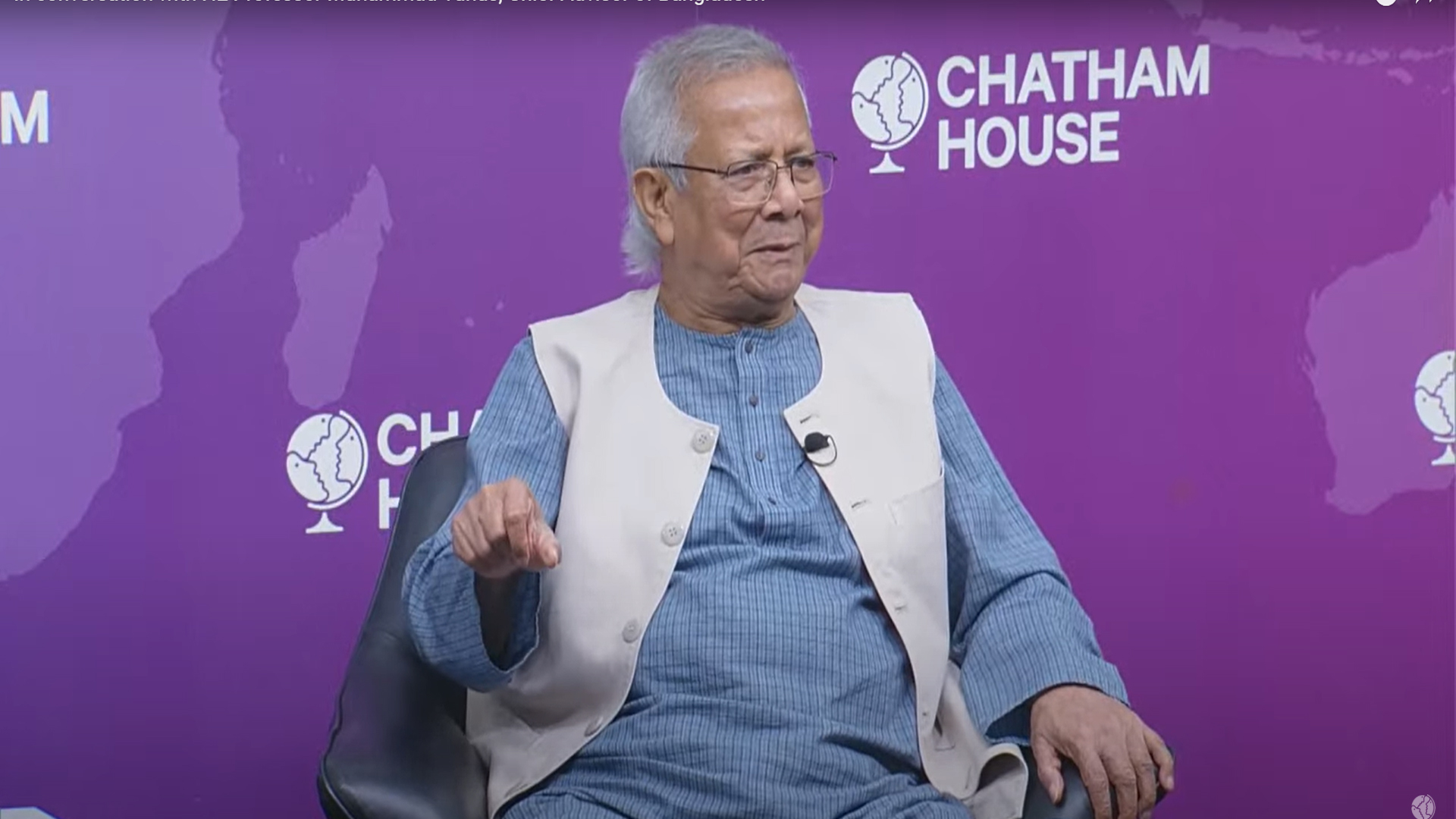

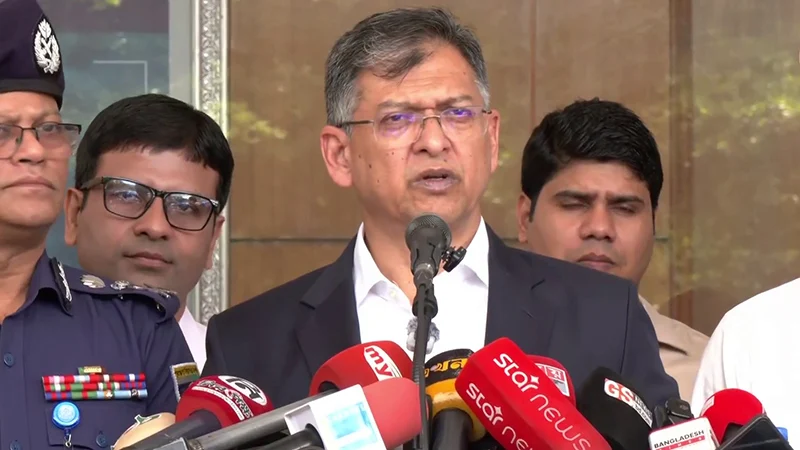
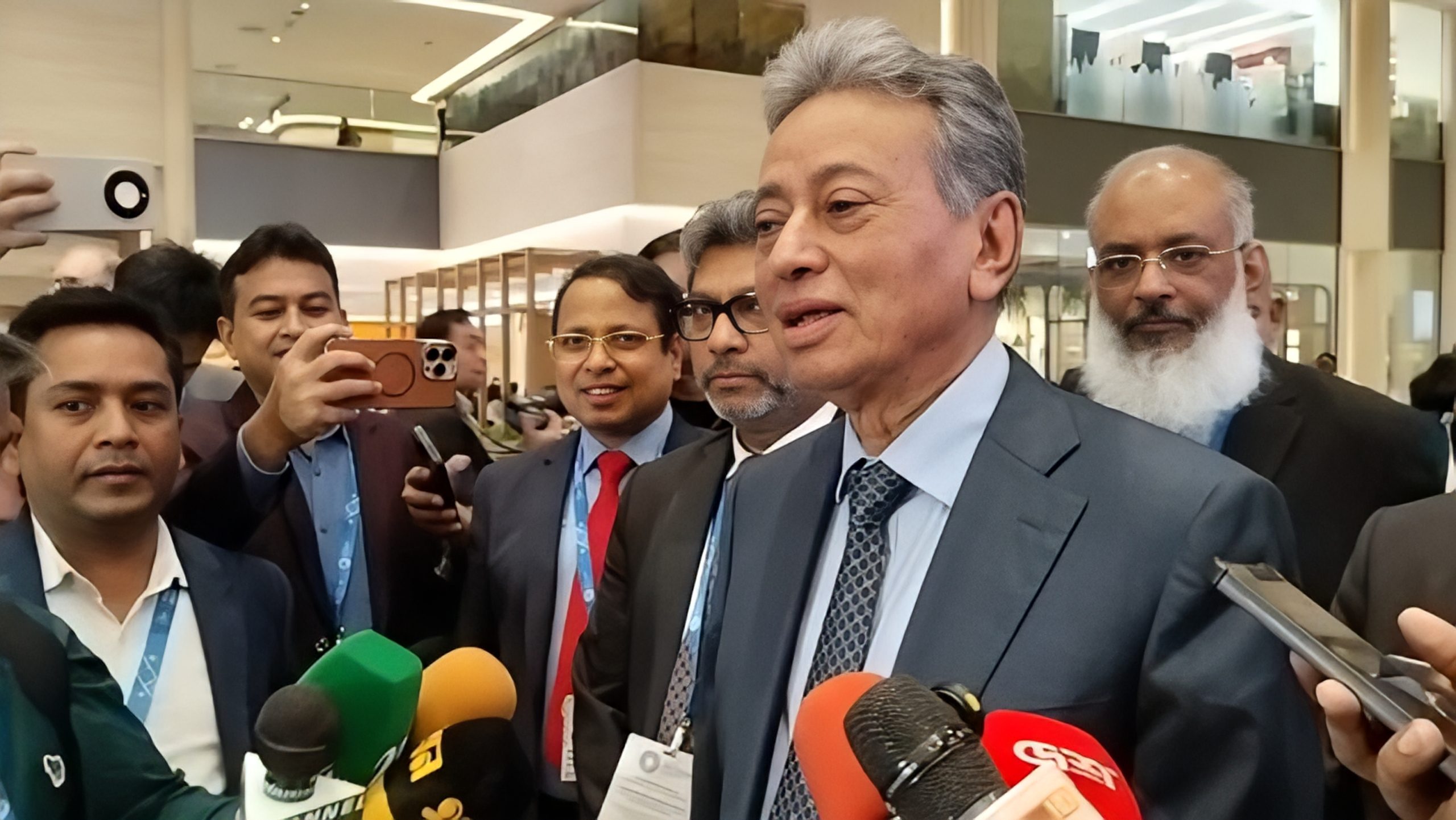
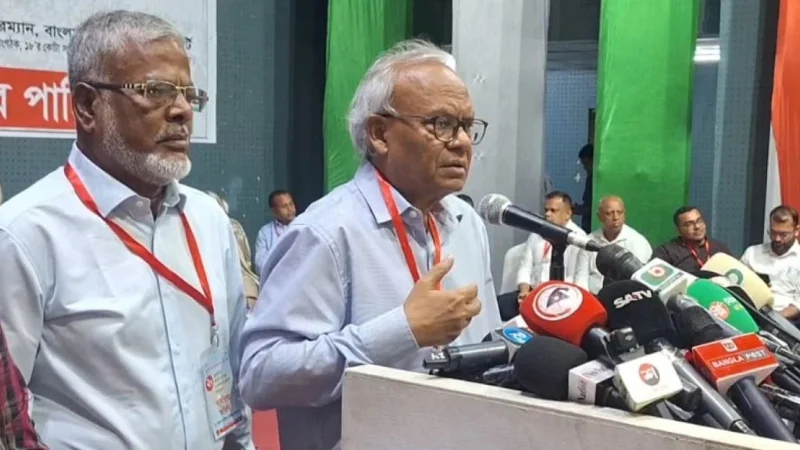
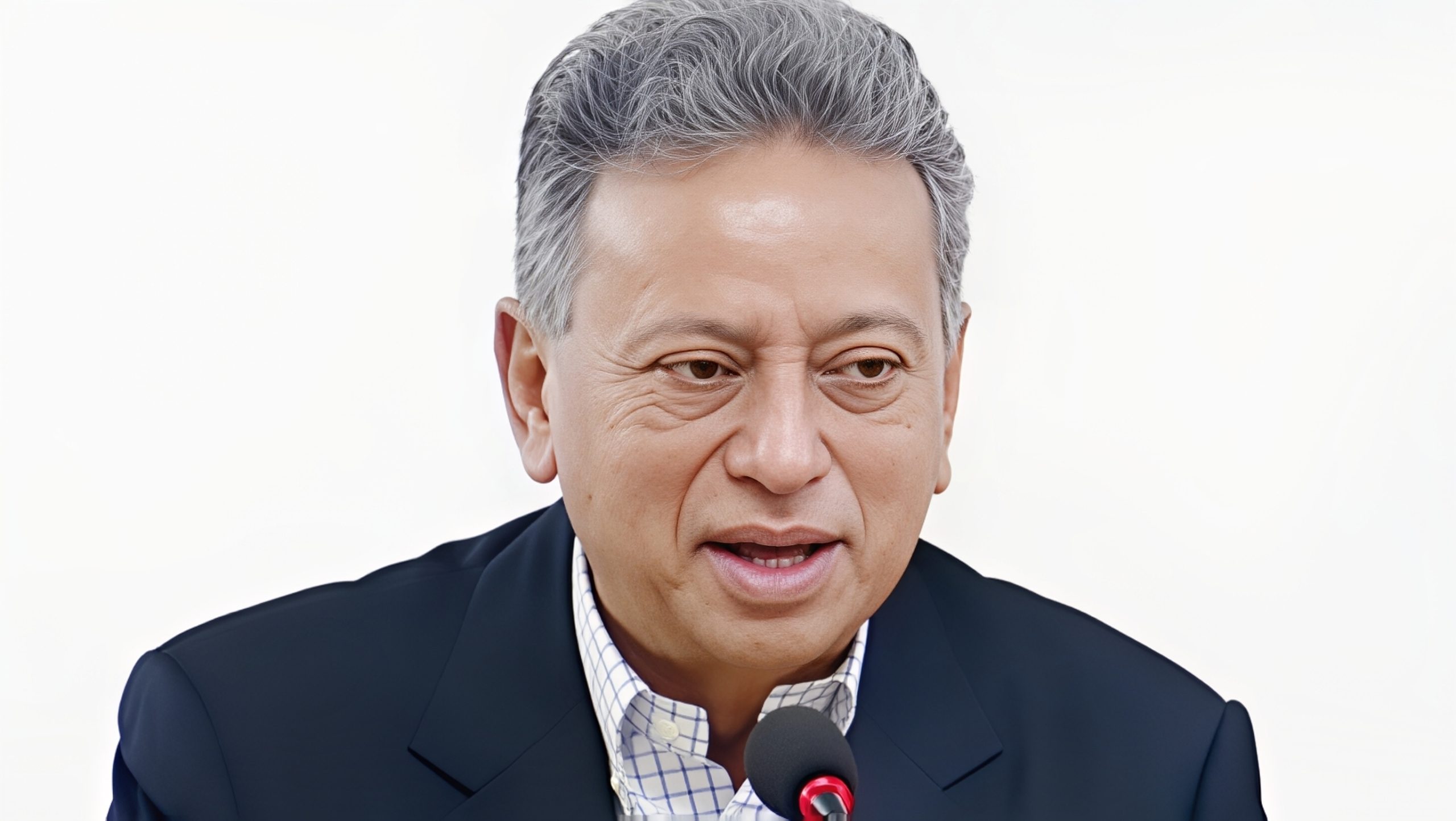
On Wednesday, June 11, during his second day in London, Bangladesh’s Chief Adviser Professor Muhammad Yunus addressed a discussion at the Royal Institute of International Affairs, commonly known as Chatham House. In his speech, he emphasized the importance of engaging the country’s young voters, expressing that their enthusiasm for voting will play a crucial role in building a new Bangladesh.
Professor Yunus acknowledged the dreams and perspectives of the youth, stating, “We respect the vision of our young generation, and we want to bid farewell to the old Bangladesh.” He pointed out that many young citizens, who became eligible to vote over the past 17 years, have never had the opportunity to cast their first vote. He emphasized that the upcoming election is not just a routine process to form a new government but a pivotal moment for shaping a new nation.
The Chief Adviser explained that the interim government has already established several reform commissions across various sectors and has now formed a National Consensus Commission. The ultimate goal, he said, is to have all political parties agree on the recommendations of these commissions and sign a unified agreement. This initiative, termed the “July Charter,” is expected to be presented to the nation soon, serving as the foundation for the next election.
Addressing concerns about the country’s economic challenges following the fall of the Awami League government, Professor Yunus described that period as an extremely difficult time, marked by global crises and a unique domestic collapse. He said the country had nearly hit zero in economic terms, even facing negative balances, with substantial debts that the interim government had to settle.
Referencing a government white paper on the financial mismanagement during Sheikh Hasina’s regime, he alleged that approximately $234 billion had been illicitly transferred abroad during that time, leaving the foreign reserves depleted and the banking system in ruins. He credited the contributions of expatriate Bangladeshis, highlighting how remittance inflows helped rescue the nation’s economy and reverse the balance of payments situation.
Professor Yunus also noted that the global community has shown moral support for the interim government and expressed his gratitude for this international backing.